Categories
Health & Wellness Hearing Devices

Best Hearing Aids for Music Lovers: Top Recommendations

Last Updated on 05/02/2026 by Admin

Discover the Key Features That Define the Best Hearing Aids for Music Lovers

What Elements Contribute to Exceptional Sound Quality?

The defining characteristic of top-quality hearing aids for music enthusiasts is their ability to deliver exceptional sound quality. Advanced audio processing technology ensures that every note comes through with remarkable clarity, transforming the listening experience into something vibrant and truly enjoyable. Music lovers gain immense advantages from cutting-edge digital signal processing features, which minimize distortion and amplify the richness of melodies. This technology allows for an authentic appreciation of music, enabling users to experience it exactly as the artists intended.

Modern hearing aids are equipped with sophisticated algorithms designed to analyze and enhance audio signals. This innovative technology allows users to relish crisp, clear musical notes across an array of genres, whether they are captivated by the delicate strings of a symphony or the booming bass of contemporary pop. Furthermore, these devices can dynamically adjust their settings to align with varying musical settings, providing a tailored auditory experience that maximizes enjoyment for the listener.

What Should You Know About Battery Life When Choosing Hearing Aids?

For music lovers, long-lasting battery life is an essential consideration when selecting hearing aids, especially for those who love extended listening sessions. The demands of enjoying music—whether at concerts, in the comfort of home, or while commuting—call for devices that can sustain prolonged use without interruption. Users can rest easy knowing that their hearing aids will function reliably throughout the day, allowing for an uninterrupted musical journey.

Recent innovations in battery technology have led to significant improvements in longevity, with some models offering rechargeable capabilities that eliminate the hassle of frequent battery changes. This not only enhances user convenience but also promotes eco-friendliness, as it helps reduce waste while users enjoy their favorite melodies.

How Do Hearing Aids Integrate with Modern Technology?

Seamless connectivity is vital for music enthusiasts, and many of the best hearing aids for music lovers now come equipped with advanced Bluetooth technology. This functionality enables users to effortlessly connect their hearing aids to a wide range of devices, enhancing both accessibility and convenience. Whether streaming music from a smartphone, tablet, or computer, users can enjoy a richer auditory experience devoid of cumbersome wires and connections.

Key compatibility features include:

  • Bluetooth connectivity with smartphones and tablets
  • Integration with music streaming services
  • Direct audio input from devices like televisions
  • User-friendly control apps for customized settings
  • Multi-device pairing capabilities for ease of use

This level of technological integration simplifies the transition between various audio sources, ensuring that music is always available at the listener’s command.

How Does Advanced Noise Cancellation Revolutionize Listening Experiences?

The advent of advanced noise cancellation technology is a transformative feature for music enthusiasts utilizing hearing aids. This innovative capability reduces unwanted background sounds, allowing users to hone in on the music with clarity. Picture enjoying your favorite tracks at a bustling concert or in a lively café without distractions from surrounding noise—this is the remarkable advantage of contemporary hearing aids designed with superior noise suppression.

These devices continuously analyze the acoustic environment in real time, adjusting their settings to filter out distractions while enhancing the preferred audio frequencies. This technology is particularly vital for individuals with hearing loss, as it allows them to fully appreciate audio content in various settings, ensuring that music, conversations, and ambient sounds blend harmoniously for an enriched experience.

Gain Expert Insights on Selecting the Best Hearing Aids for Music Lovers

What Are the Latest Technological Innovations Enhancing Music Clarity?

The hearing aid sector has witnessed impressive technological advancements that significantly improve music clarity. Innovations such as adaptive sound processing and enhanced frequency adjustments empower users to engage with music more vividly than ever before. These breakthroughs enable hearing aids to identify different types of audio sources and modify their settings accordingly, ensuring that every note is reproduced with precision and fidelity.

Moreover, enhancements in digital signal processing facilitate the analysis of sound environments, allowing devices to adapt dynamically. Users will discover that these features substantially elevate their overall listening experiences, making it easy to enjoy intricate musical compositions or high-energy tracks without any distortion.

How Can Customization Tailor Hearing Aids to Individual Preferences?

Customization is crucial for adapting hearing aids to cater to personal music preferences. Users can take actionable steps by collaborating with audiologists to fine-tune sound profiles based on their unique tastes. Utilizing specialized software allows hearing aids to be meticulously adjusted to amplify specific sounds, frequencies, or musical styles, resulting in a more enriching listening experience.

Many contemporary hearing aids offer intuitive apps that empower users to modify their settings on-the-go, ensuring adaptability to different musical genres and environments, whether it’s enjoying classical music in a serene room or grooving to upbeat tracks at a vibrant event.

What to Consider Regarding Performance in Diverse Music Settings?

Understanding how hearing aids function across various music environments is essential for users. For example, the acoustics and crowd noise at a concert can introduce challenges, yet high-quality hearing aids excel in these situations. They automatically adjust to enhance the music while suppressing background noise, enabling users to immerse themselves in the performance fully.

Experts recommend testing hearing aids in various settings—such as live concerts, intimate gatherings, or while enjoying recorded music at home—to determine which models best cater to personal preferences. By sharing insights on specific scenarios, users can attain optimal results and relish music across diverse environments.

How Do Hearing Aids Transform the Music Experience for Users?

What Significance Does Noise Reduction Hold in Enhancing Music Enjoyment?

Noise reduction is a vital component in enhancing the music experience for hearing aid users. By effectively minimizing background interference, advanced noise cancellation features enable individuals to focus entirely on pure sounds. This capability is especially crucial during live concerts, where ambient noise can detract from the musical enjoyment.

When background noise is efficiently suppressed, users can savor the nuances of live performances or recordings, making each listening experience profoundly immersive. This technology empowers music lovers to connect deeply with their favorite artists without the distraction of surrounding sounds, ultimately fostering a more profound emotional bond with the music.

How Does Enhancing Frequency Response Improve Musical Listening?

Enhancing frequency response is another critical aspect of improving the music listening experience. Hearing aids equipped with this capability can amplify essential musical ranges, delivering a richer sound without overwhelming users. This feature is invaluable for music lovers who appreciate subtle details in sound, from the high notes of a violin to the low frequencies of a bass guitar.

The benefits of enhanced frequency response include:

  • Improved clarity in high-frequency sounds
  • Richer bass tones for a more immersive sound
  • Better balance across diverse musical styles
  • Reduced listening fatigue during extended sessions

These adjustments enable users to enjoy their music more comfortably, transforming long listening sessions into a pleasurable experience.

How to Achieve the Perfect Balance Between Volume and Clarity?

Achieving the ideal balance between volume and clarity is essential for music lovers using hearing aids. Advanced mechanisms ensure that distortion remains minimized even at elevated volumes, allowing users to enjoy their favorite tracks without sacrificing quality. This feature is critical for maintaining comfort during prolonged listening, where excessive volume can lead to fatigue and discomfort.

By employing sophisticated algorithms that regulate sound output, hearing aids can prevent distortion, thereby preserving the authenticity of the music. This meticulous attention to detail ensures that music enthusiasts can indulge in their favorite tunes without concerns about sound degradation.

Research-Backed Advantages of the Best Hearing Aids for Music Lovers

How Can You Effectively Evaluate User Reviews?

Evaluating user reviews is a vital step in identifying reliable hearing aid models that excel in music playback. By carefully analyzing feedback from fellow users, music enthusiasts can gain valuable insights into real experiences, guiding them to make informed choices based on tangible outcomes.

Pay attention to specific mentions of sound quality, battery life, and comfort within user reviews, as these are crucial indicators of a model’s performance. Additionally, consider overall satisfaction ratings and how the hearing aids perform in various musical environments, as these factors will greatly influence the listening experience.

What Key Factors Should You Consider When Selecting Hearing Aid Models?

Several key factors should be taken into account when choosing hearing aids suitable for music. Durability and user-friendliness are paramount, as these elements enhance usability during musical activities. Users should seek devices that can endure varying environments, such as outdoor concerts or high-energy events, while remaining comfortable for extended wear.

Another crucial aspect is the adaptability of the hearing aids. Models that offer customizable settings tailored for different music genres can significantly elevate the listening experience. This practical advice aids users in selecting devices that effectively meet their musical needs.

Why Is Comfort a Top Priority in Hearing Aid Design?

Comfort is essential in the design of hearing aids, especially for users who attend music events or engage in long listening sessions. Ergonomic features ensure that hearing aids fit securely and snugly, enhancing overall satisfaction and usability. A well-fitted device not only delivers superior sound quality but also prevents discomfort, allowing users to enjoy music without distractions.

Furthermore, comfortable designs are vital for individuals who wear hearing aids throughout the day, as they enhance long-term usability. When users feel confident in their devices, they are more likely to engage fully in musical experiences, fostering a greater appreciation for sound.

Which Hearing Aids Are Highly Recommended for Music Enthusiasts?

Comparing Popular Hearing Aid Models to Find the Best Fit

How Do Audio Processing Speeds Differ Among Models?

Audio processing speed is a crucial factor that significantly impacts the overall musical experience provided by hearing aids. Faster processing capabilities facilitate better synchronization with dynamic soundscapes, allowing users to appreciate intricate musical arrangements without delays or lags. For example, models that excel in this domain can effectively manage rapid transitions between notes, ensuring that every beat is captured accurately.

Brands that prioritize advanced processing speeds often utilize cutting-edge technology, making them ideal choices for music lovers seeking enriched listening experiences. Noteworthy examples of models recognized for their superior audio processing include those equipped with high-speed digital signal processing chips, which enable seamless audio delivery.

What Variations Exist in Price and Value for Hearing Aids?

Price and value are significant considerations for anyone seeking hearing aids focused on music quality. Fortunately, the market offers a diverse range of cost-effective options that do not compromise on audio performance. Users can discover high-quality hearing aids at various price points, ensuring that accessibility is available for all music enthusiasts.

When assessing value, it’s crucial to evaluate features such as audio clarity, battery life, and connectivity options. Models that combine these attributes while remaining budget-friendly empower users to fully enjoy their musical journeys without overspending.

Is Waterproofing a Necessary Feature for Music Lovers?

Waterproofing can be a vital attribute for hearing aids, particularly for music lovers who engage in outdoor activities or attend events in varying weather conditions. Having a water-resistant design ensures that the devices can withstand moisture, protecting them from potential damage while maintaining performance integrity.

Additionally, waterproof models are beneficial for those who enjoy music during workouts or outdoor excursions, providing reassurance that they can enjoy their favorite tracks without worry. Choosing hearing aids with waterproof features can enhance the overall music experience, enabling users to stay active and engaged.

What Characteristics Make Some Hearing Aids Ideal for Music Listening?

What Advantages Do Wireless Hearing Aid Options Offer?

Wireless hearing aids are gaining popularity, especially among music lovers. The benefits of cord-free designs facilitate seamless music streaming from various devices, reducing tangles and enhancing mobility during performances. Users can connect their hearing aids to smartphones or other audio sources effortlessly, creating a more enjoyable listening experience without the hassle of wires.

Furthermore, wireless hearing aids typically provide superior sound quality and stability, ensuring that users can experience music without interruptions. This combination of convenience and performance makes them a preferred choice for those seeking to enhance their auditory experiences.

How Do Multiple Listening Modes Enhance Musical Experiences?

Multiple listening modes have a significant impact on how hearing aids cater to a spectrum of musical tastes. These versatile settings adapt to different music genres, allowing users to personalize their experiences based on their preferences. For instance, modes may prioritize clarity for classical music while enhancing bass for pop or rock genres, ensuring an optimal sound experience regardless of the style.

By utilizing these settings, users can enjoy a tailored listening experience that aligns with their musical selections, amplifying overall enjoyment and connection to the music. This adaptability is a key feature that distinguishes the best hearing aids for music enthusiasts.

How Can Users Ensure Longevity of Their Hearing Aids’ Performance?

To maintain optimal performance in hearing aids, regular maintenance is crucial. Users should be proactive about caring for their devices, as proper upkeep can significantly extend their lifespan and effectiveness for music listening. Implementing a few straightforward strategies can help maintain peak functionality over time.

  • Regularly clean hearing aids to prevent the buildup of wax or debris
  • Store devices in a cool, dry place when not in use
  • Replace batteries as needed to ensure consistent power supply
  • Schedule regular check-ups with an audiologist for professional maintenance

By following these simple maintenance strategies, users can keep their hearing aids functioning at their best, ensuring a consistently enjoyable music experience.

Essential Tips for Optimizing Hearing Aids with Music

How to Adjust Your Settings for the Best Listening Experience?

To achieve the ultimate listening experience with hearing aids, users should dedicate time to adjusting their settings according to personal music preferences. Fine-tuning various aspects such as volume, frequency response, and noise cancellation can significantly enhance enjoyment and reduce listening fatigue.

Starting with a default setting, users can experiment with adjustments in different environments and with various music styles. Keeping a record of preferences may assist in tracking changes and identifying what works best in specific contexts, ultimately resulting in a more satisfying listening experience tailored to individual tastes.

How to Integrate Hearing Aids with Music Apps for Enhanced Experience?

Integrating hearing aids with music apps can create a cohesive listening setup that enhances accessibility and engagement. Many modern hearing aids are compatible with popular streaming services, enabling users to enjoy their favorite music directly through their devices. This integration simplifies the listening process, making it easy to switch between playlists or genres on the go.

Moreover, using dedicated apps allows users to control their hearing aids directly from their smartphones, providing seamless interaction with audio content. This connectivity enriches the overall music experience, empowering users to explore new sounds and stay connected to their favorite tracks.

What Common Usage Errors Should Be Avoided for Optimal Enjoyment?

Avoiding common usage errors is crucial for maximizing the benefits of hearing aids while enjoying music. Issues such as improper fitting can greatly affect sound quality and comfort. Ensuring a proper fit not only enhances audio experience but also reduces the likelihood of discomfort or feedback.

Additionally, users should be cautious about volume levels. Listening at excessively high volumes can lead to distortion and potential long-term damage. By being aware of these pitfalls and implementing best practices, users can enjoy music to its fullest without compromising their hearing health.

Long-Term Considerations for Hearing Aid Users to Enhance Their Experience

What Future Upgrades Can Users Anticipate?

As technology continues to advance, users can look forward to future upgrades in hearing aids that will further enhance their music experiences. Innovations such as improved artificial intelligence capabilities and more sophisticated audio processing features are likely to emerge. These advancements will empower devices to analyze sound environments more effectively and adapt to user preferences in real time.

Additionally, developments in battery technology are expected to yield longer-lasting power, reducing the need for frequent recharges and making music listening more convenient. Staying informed about these trends will enable users to make optimal choices for their auditory needs.

What Warranty and Support Options Are Available for Hearing Aids?

Having a robust warranty and support options is essential for maintaining the functionality of hearing aids over the years. Reliable after-sales service ensures that users can address any issues that arise, preserving their music enjoyment without interruptions. Many manufacturers offer comprehensive warranties that cover defects and provide support for repairs or replacements.

Understanding the terms of warranty coverage and the availability of customer support can offer users peace of mind as they embark on their musical journeys. Investing in hearing aids backed by solid support options guarantees a worry-free experience for music lovers.

How to Implement Sustainable Practices in Hearing Aid Use?

Sustainable practices are vital in device use, contributing to longer product life and improved music enjoyment. Users can adopt eco-friendly habits, such as responsibly disposing of batteries and recycling old devices, to minimize their environmental impact.

Opting for rechargeable hearing aids also supports sustainability, reducing waste and encouraging environmentally conscious choices. By integrating these practices into their routines, users can enhance their listening experiences while contributing to a healthier planet.

How to Adapt Hearing Aids to Changing Lifestyles Over Time?

As lifestyles evolve, it is crucial for hearing aid users to adapt their devices to meet their changing needs. This may involve software updates that enhance audio processing or professional fittings that guarantee optimal sound quality. Regular consultations with audiologists can assist users in evaluating their current needs and making necessary adjustments.

Remaining proactive about maintenance and updates ensures that users can sustain high-quality music enjoyment over the years. By embracing adaptability, users can seamlessly transition with their hearing aids, guaranteeing that their auditory experiences remain fulfilling regardless of life changes.

What Financial Planning Should Be Done for Ongoing Hearing Aid Use?

Effective financial planning for ongoing hearing aid use is essential for managing expenses related to batteries, repairs, and upgrades. Users should consider setting aside a budget that accounts for these costs, ensuring that they can sustain their music experiences without interruption.

Additionally, exploring potential tax benefits for medical devices or possible insurance coverage can provide financial relief. By strategically planning for ongoing costs, users can confidently enjoy their favorite music, knowing they have the resources to maintain their hearing aids effectively.

Frequently Asked Questions About Hearing Aids for Music Lovers

What are the best hearing aids for music lovers?

The top hearing aids for music enthusiasts prioritize sound quality, battery longevity, connectivity features, and noise cancellation. Models incorporating advanced audio processing technology offer the best overall experience.

Can hearing aids really enhance my music listening experience?

Absolutely, hearing aids can significantly elevate music listening experiences by delivering clearer sound quality, minimizing distortion, and adapting to various musical environments, resulting in a richer audio experience.

Are there hearing aids specifically designed for music?

While many hearing aids offer features beneficial for music lovers, certain models are specifically engineered to deliver superior sound quality and customizable settings tailored to musical preferences.

How do I select the right hearing aid for music?

Choosing the ideal hearing aid involves considering sound quality, battery life, comfort, and advanced features such as connectivity options and noise cancellation that cater to your musical experiences.

What features should I prioritize in hearing aids for concerts?

Seek hearing aids with robust noise cancellation, rapid audio processing speeds, and customizable settings that can adapt to live music settings, ensuring an enjoyable concert experience.

Can I connect hearing aids to my smartphone for music streaming?

Yes, numerous modern hearing aids come equipped with Bluetooth capabilities, allowing users to connect directly to smartphones and music streaming services for a seamless listening experience.

How do I maintain my hearing aids for optimal music enjoyment?

Regular cleaning, battery management, and professional check-ups are crucial for maintaining peak performance. This ensures that your hearing aids continue to deliver high-quality sound over time.

Are there affordable hearing aids that still provide quality music experiences?

Yes, several affordable hearing aids deliver excellent sound quality. It’s essential to look for models that have good user reviews and essential features like noise cancellation and audio processing.

What should I do if I experience discomfort with my hearing aids while enjoying music?

If discomfort occurs, verify the fit of your hearing aids and adjust settings as needed. Consulting with an audiologist can also help resolve any issues related to comfort.

How often should I consider upgrading my hearing aids for music use?

The necessity for upgrades depends on technological advancements and personal requirements. Regularly assessing your hearing aids’ performance and features is advisable to determine when an upgrade is warranted.

Join us on X for exclusive updates!

The post Best Hearing Aids for Music Lovers: Top Recommendations appeared first on The Microsuction Ear Wax Removal Network.

Categories
Health & Wellness Hearing Devices

Top Tips Before Buying Hearing Aids: Essential Insights

Last Updated on 31/01/2026 by Admin

Comprehensive Guide to Understanding Hearing Loss and Its Impact

What Are the Main Factors That Contribute to Hearing Loss?

Hearing loss can stem from various factors, including age-related changes and environmental influences such as exposure to loud sounds. As people grow older, the intricate structures within the ear naturally deteriorate, leading to a gradual decline in hearing ability. For instance, a 70-year-old might find it increasingly difficult to follow conversations in noisy environments like bustling restaurants or family gatherings due to reduced sensitivity to certain frequencies, particularly higher pitches. This gradual decline underscores the importance of awareness regarding age-related hearing loss.

Another prevalent cause of hearing loss is prolonged exposure to loud noises, whether from music, industrial machinery, or urban noise. This condition, known as noise-induced hearing loss, can develop over time without noticeable symptoms until significant damage occurs. For example, a construction worker who spends years on job sites without proper hearing protection may struggle to hear, which can create communication barriers and pose safety risks. Early detection of hearing loss is vital; being aware of changes in auditory perception can empower individuals to seek timely interventions that may prevent further deterioration.

Understanding these causes also highlights their broader impact on daily life. Hearing loss can evoke feelings of isolation, frustration, and anxiety, especially when individuals cannot fully participate in conversations or activities they once enjoyed. By seeking professional assessments at the first signs of hearing changes—such as difficulty comprehending speech or frequently asking others to repeat themselves—individuals can take proactive measures toward improved hearing health and overall well-being.

What Are the Key Signs Indicating Hearing Issues?

Identifying the signs of hearing issues is essential for prompt intervention. One of the most common indicators is difficulty in conversations, particularly in noisy environments. Many people may find themselves frequently asking others to repeat themselves or struggling to catch certain words, which can lead to misunderstandings. Another important symptom is the presence of tinnitus, characterized by a ringing or buzzing sensation in the ears that may accompany hearing loss. Tinnitus can be persistent or occur intermittently and may become more noticeable in quiet settings, making it a helpful self-assessment tool.

To effectively monitor changes in hearing, individuals can employ simple self-assessment techniques. Keeping a diary of situations where hearing challenges arise can help pinpoint specific difficulties. For instance, if someone has trouble understanding dialogue on television or during a film, this could indicate a potential issue. Furthermore, individuals should be attentive to their reactions in social settings; increased fatigue or irritability after conversations may signal that auditory strain is taking a toll on their well-being.

Regular reflection on these experiences equips individuals to articulate their concerns when seeking professional assistance. A proactive approach not only facilitates timely diagnoses but also aids in identifying suitable hearing aids and treatments tailored to individual needs, enhancing overall quality of life.

Why Is Professional Evaluation Essential for Hearing Health?

A professional evaluation is crucial for accurately identifying individual hearing needs. Comprehensive hearing assessments conducted by audiologists offer invaluable insights into the specific nature and extent of hearing loss, guiding effective hearing aid selection. Typically, a thorough evaluation includes a series of tests that assess the ability to hear various frequencies and overall auditory processing. For instance, an audiologist may utilize tonal audiometry to evaluate the softest sounds a person can detect across different pitches, leading to tailored recommendations based on the assessment results.

To maximize the effectiveness of these appointments, individuals should prepare by gathering relevant information about their hearing history, including any known exposure to loud environments and the particular challenges they encounter in daily interactions. Additionally, it is beneficial to compile a list of questions regarding potential solutions and the features of different hearing aids.

  • Document situations where hearing difficulties occur.
  • List any prior hearing tests and their results.
  • Prepare inquiries about types and features of hearing aids.
  • Consider bringing a family member for support and additional insights.

By arriving prepared, individuals can ensure that their evaluations are thorough and yield actionable outcomes, ultimately facilitating more effective management of their hearing health and enhancing their overall communication experience.

How Do Hearing Aids Function and What Are Their Benefits?

What Are the Fundamental Mechanisms Behind Hearing Aids?

Hearing aids operate by amplifying sound and enhancing auditory input, allowing users to engage more comfortably with their surroundings. The core mechanism of hearing aids focuses on sound amplification and processing technologies that adjust to various environments. Typically, a hearing aid comprises a microphone, an amplifier, and a speaker. The microphone captures sound waves from the environment, converting them into electrical signals. These signals are then processed and amplified to a level that the user can hear before being transmitted to the speaker, which delivers the sound to the ear.

Modern hearing aids often incorporate advanced sound processing capabilities, enabling them to differentiate between various types of sounds, such as speech and background noise. For example, in a bustling café, a high-quality hearing aid can enhance the sound of conversations while minimizing distracting noises like clinking dishes or ambient chatter. This adaptability is crucial for ensuring clarity in different listening environments, allowing users to enjoy social interactions without the frustration of competing sounds.

Moreover, technological advancements have led to the inclusion of features such as directional microphones, which focus on sound coming from a specific direction, and feedback cancellation systems that prevent annoying whistling noises. This comprehensive range of functionalities empowers users to seamlessly integrate their hearing aids into daily life, whether they are attending a concert or enjoying a quiet conversation at home.

What Are the Differences in Features Among Hearing Aids?

Hearing aids are not universally applicable; they come equipped with a variety of features designed to enhance the user experience. One of the most critical differences lies in the volume control settings. Some aids offer manual adjustments, allowing users to fine-tune the sound based on their immediate needs, while others provide automatic adjustments based on the surrounding environment. This feature ensures optimal comfort, whether the user is in a crowded venue, a quiet library, or outdoors.

Another significant aspect is noise reduction technology, which plays a vital role in improving the overall user experience. Hearing aids equipped with advanced noise reduction algorithms can significantly minimize background noise, facilitating clearer conversations. For instance, a user at a family gathering can focus on the dialogue without being overwhelmed by the noise of children playing or background music, enhancing their social engagement.

Features such as Bluetooth connectivity are also increasingly prevalent, allowing users to connect their hearing aids directly to smartphones or other devices. This connectivity enables streamlined phone calls, music streaming, and even direct app programming for adjusting settings without removing the aids. The integration of these features not only enhances user comfort but also enriches their listening experience across various activities, making modern hearing aids versatile tools for auditory enhancement.

Ultimately, understanding the differences in hearing aid features empowers users to select devices that align with their unique needs and lifestyles, ensuring they can navigate their auditory world with confidence and ease.

How Can Users Effectively Test the Functionality of Their Hearing Aids?

Testing the functionality of hearing aids is crucial to ensure they meet individual needs effectively. One of the best ways to evaluate performance is through trial periods, which many audiologists offer. During these trial phases, users can assess the aids in real-world environments, determining whether the device enhances their hearing as intended. Feedback from users during this period is invaluable, helping audiologists make necessary adjustments to optimize performance based on individual experiences.

To ensure a comprehensive evaluation, users should conduct specific tests to check for sound quality and comfort. For instance, they can listen to music or engage in conversations in various settings to gauge how well the aids filter sound and reduce background noise. If issues arise, such as unusual feedback or discomfort, users should document these experiences to address them effectively with their audiologist for tailored solutions.

Additionally, users can adopt a proactive approach by regularly checking battery levels and ensuring components are clean and free from debris, as proper maintenance significantly affects functionality. A simple daily check can prevent common problems that might impede performance, allowing users to enjoy their hearing aids fully.

Education about troubleshooting common issues can also foster sustained use. For example, if a user experiences feedback, they should check the placement of the aid in the ear and ensure it fits snugly. Simple adjustments or maintenance can sometimes resolve these concerns without needing professional intervention, empowering users to manage their hearing aids effectively.

Expert Guidance on Essential Considerations Before Purchasing Hearing Aids

What Are the Key Factors to Consider When Choosing the Right Hearing Aid?

Selecting the appropriate hearing aid involves considering several key factors, including fit, technology compatibility, and user lifestyle. The fit of a hearing aid is paramount; it must be comfortable and secure to ensure effective sound delivery. Custom-molded options often yield the best results in comfort and functionality, particularly for users with unique ear shapes. For instance, an active individual who enjoys outdoor activities may prefer a behind-the-ear model that is both secure and resistant to moisture, ensuring optimal performance in various environments.

Technology compatibility is equally critical. Users should evaluate whether the hearing aid integrates well with other devices they frequently use, such as smartphones or televisions. For example, a tech-savvy individual may benefit from hearing aids featuring Bluetooth technology, allowing for seamless connectivity for calls and media streaming. This feature can significantly enhance daily interactions and media consumption, elevating the overall user experience.

Real-world examples illustrate the impact of these considerations. A retiree who spends time volunteering at a community center may prioritize aids with advanced noise reduction features to enhance conversations amidst chatter and activity. Conversely, a younger user may focus on aesthetics and connectivity options that complement their active lifestyle. By analyzing individual profiles and preferences, users can make informed decisions that lead to successful hearing aid selections tailored to their unique needs.

What Are the Benefits of Advanced Hearing Solutions?

The advantages offered by advanced hearing solutions extend far beyond simple sound amplification; they encompass a holistic approach to auditory enhancement. Innovative features, such as automatic sound adjustments and speech enhancement, provide users with significant benefits. These technologies allow devices to adapt in real-time to varying sound environments, ensuring that users experience optimal sound clarity without requiring manual adjustments.

Moreover, advanced hearing aids often come with connectivity options, such as Bluetooth, which facilitate direct streaming from smartphones, tablets, and televisions. This capability not only enhances daily listening experiences but also fosters greater integration into modern lifestyles. For instance, a busy professional can attend virtual meetings and participate in conversations without removing their aids, thereby enhancing both productivity and interpersonal communication.

Long-term advantages also arise from adopting advanced hearing solutions. Research indicates that users of sophisticated aids tend to enjoy a better quality of life, experiencing fewer issues related to social isolation and cognitive decline. For example, a 65-year-old woman who embraces modern digital aids finds herself more engaged in social activities, resulting in improved mental health and emotional well-being.

As technology continues to evolve, understanding how these innovations can be integrated into daily life is essential. Users who embrace these advances can achieve optimal results, tailoring their auditory experiences to their specific needs and preferences, ultimately enhancing their overall quality of life.

What Are Some Common Myths Surrounding Hearing Aids?

Numerous myths surrounding hearing aids can lead to misunderstandings about their use and effectiveness. One prevalent misconception is that hearing aids are prohibitively expensive. While some models can indeed carry a high price tag, many affordable options are available that significantly improve hearing capabilities. Users should explore different price ranges and understand that investing in hearing health can yield long-term benefits that outweigh initial costs.

Another myth is that hearing aids signify aging or weakness. Contrary to this belief, using hearing aids is a proactive decision aimed at maintaining one’s quality of life and enhancing communication abilities. Many individuals, regardless of age, benefit from hearing aids, especially in today’s noisy environments, where clear communication is essential.

Additionally, some people believe that hearing aids will fully restore hearing to normal levels. While these devices significantly enhance hearing capabilities, they do not replicate natural hearing. Users must adjust their expectations and understand that hearing aids are tools designed to help them navigate their auditory environment more effectively, rather than providing a perfect solution.

To combat these myths, individuals should seek reliable information from audiologists, user forums, and reputable organizations. Engaging in conversations with existing hearing aid users can also provide valuable insights into the realities of owning and using these devices, helping to dispel common misconceptions and promote informed decisions.

What Are the Comprehensive Benefits of Hearing Aids?

How Do Hearing Aids Improve Daily Communication?

The primary advantage of hearing aids lies in their ability to enhance daily communication. Improved auditory perception transforms social interactions, enabling users to engage more naturally in conversations and reducing the need for repetition and clarification. This enhanced clarity fosters better understanding and connection with loved ones, allowing for more meaningful relationships and enriching social experiences that contribute to overall well-being.

Everyday scenarios highlight the tangible benefits of hearing aids. For instance, users can enjoy family gatherings without straining to hear discussions, feel more included in group settings, or actively participate in community events. In restaurants, improved sound perception means users can engage with companions effortlessly, enjoying the ambiance without feeling overwhelmed by background noise, which significantly enhances their dining experience.

Moreover, the psychological benefits of improved communication cannot be understated. Users often report increased confidence in social situations, leading to more active participation in life. This newfound confidence can reduce feelings of isolation and anxiety, allowing individuals to reconnect with hobbies and interests they may have shied away from due to hearing difficulties. Overall, hearing aids significantly enhance daily communication, leading to improved relationships, increased confidence, and richer social interactions that enhance overall quality of life.

What Are the Health Advantages Beyond Hearing with Hearing Aids?

The health advantages of using hearing aids extend beyond the immediate improvement in auditory perception; they positively impact both cognitive and emotional well-being. Research has shown that untreated hearing loss is linked to cognitive decline and an increased risk of conditions such as depression and anxiety. By enhancing auditory input through hearing aids, users can engage more actively with their environment and social circles, thus supporting overall cognitive health and emotional resilience.

For instance, an elderly individual who begins using hearing aids may experience a reduction in feelings of loneliness and isolation. Enhanced communication fosters connections with family and friends, leading to increased mental stimulation and emotional support. Regular social interactions are critical for maintaining cognitive function, as they challenge the brain and promote mental agility, contributing to overall cognitive health.

Furthermore, users often report decreased stress levels as they navigate their surroundings with confidence. The ability to hear alarms, notifications, and conversations clearly means users can respond appropriately to their environment, reducing anxiety associated with missed auditory cues. This newfound security contributes to improved mental health outcomes, promoting a more fulfilling lifestyle that enhances the overall quality of life.

In summary, the health advantages of hearing aids are profound, linking improved auditory function with better cognitive and emotional wellness. Users who embrace these devices not only enhance their hearing capabilities but also support their overall health and happiness, leading to a more enriched and fulfilling life.

What Is the Long-Term Value of Using Hearing Aids?

Investing in hearing aids offers significant long-term value, both in terms of enhanced auditory health and cost-effectiveness. Users often experience sustained improvements in their quality of life, leading to better social interactions and overall satisfaction. The return on this investment becomes apparent as users realize the benefits of actively engaging in activities they previously avoided due to hearing difficulties, promoting a more vibrant lifestyle.

Moreover, the long-term cost-effectiveness of hearing aids is notable. While the initial purchase may seem significant, the savings achieved through reduced social isolation, improved mental health, and increased independence can outweigh these costs over time. For example, individuals who actively participate in social events tend to incur lower healthcare costs associated with mental health issues and other complications linked to untreated hearing loss, further highlighting the economic benefits of investing in hearing aids.

Regular maintenance and care of hearing aids further contribute to their longevity and performance. By adhering to daily care routines and seeking professional adjustments when necessary, users can extend the life of their devices, maximizing their investment. Proactive users who schedule routine check-ups can ensure their aids remain optimized for changing needs, enhancing overall value and effectiveness.

In essence, the long-term value of using hearing aids is multifaceted, encompassing improved auditory health, better mental well-being, and economic savings, making it a wise investment for individuals seeking to enhance their quality of life and overall well-being.

How Do Hearing Aids Enhance Safety and Environmental Awareness?

Hearing aids significantly enhance users’ safety and environmental awareness, which is crucial for navigating daily life confidently. By amplifying essential sounds—such as alarms, traffic, and environmental cues—these devices play a vital role in preventing accidents and fostering independence. For instance, a pedestrian wearing hearing aids can detect oncoming vehicles more effectively, allowing for safer navigation through busy streets and enhancing their overall safety.

Moreover, hearing aids help users remain aware of their surroundings, enhancing situational awareness in various environments. Individuals can hear important announcements in public spaces, such as airports or train stations, ensuring they do not miss crucial travel information. This capability fosters an increased sense of security, allowing users to feel more in control of their environment and less anxious in unfamiliar situations.

The benefits of enhanced awareness extend to vulnerable populations, including the elderly or those with mobility challenges. For example, a senior citizen living independently can respond promptly to doorbells or emergency alarms, ensuring timely assistance when needed. The peace of mind that comes from being aware of one’s surroundings significantly contributes to overall well-being and independence, allowing users to live more confidently and actively.

In summary, hearing aids provide a critical safety net for users, enhancing their ability to navigate their environments confidently and effectively. The integration of these devices into daily life not only promotes independence but also reduces the risk of accidents and enhances overall quality of life, making them invaluable tools for auditory enhancement and personal safety.

What Is the Importance of Customization and Technological Integration in Hearing Aids?

Modern hearing aids offer a level of customization and technological integration that significantly enhances user satisfaction and adaptability. Advanced features allow users to tailor their devices to fit their unique preferences and lifestyles, ensuring optimal performance in various situations. Customization options may include adjustable settings for different environments, enabling users to optimize sound clarity based on their surroundings and specific auditory needs.

For instance, users can program their hearing aids to differentiate settings for quiet environments, such as reading at home, versus noisy situations, like dining at a restaurant. This adaptability ensures that users experience optimal sound quality and comfort in all contexts, enhancing their overall listening experience and making it more enjoyable.

Additionally, technological integration is a hallmark of modern hearing aids. Many devices now feature smartphone connectivity, allowing users to stream audio directly from their phones or adjust settings through user-friendly applications. This capacity for integration fosters a seamless experience for users, enabling them to engage with technology effortlessly while enhancing their hearing capabilities and overall quality of life.

The overall effect of these advancements is profound. Users who embrace customizable and technologically integrated hearing aids often report higher satisfaction and improved quality of life. This adaptability not only ensures a better auditory experience but also promotes long-term adherence to device usage, ultimately supporting users in their hearing health journey and enhancing their daily interactions.

Research-Backed Insights on How to Choose Hearing Aids

What Does Evidence Say About Hearing Aid Effectiveness?

Numerous studies underscore the effectiveness of hearing aids in improving auditory perception and overall user satisfaction. Research indicates that individuals who consistently use hearing aids report significant enhancements in communication abilities, social engagement, and mental health outcomes. One noteworthy finding reveals that users experience a notable increase in satisfaction with their quality of life when they actively engage with their hearing aids, highlighting their profound impact on everyday living.

To research options effectively, prospective users should seek out testimonials and reviews from current users, as well as insights from audiologists regarding device performance. Consulting reputable sources, including audiology associations, can provide valuable information about the latest models and technologies on the market. This can enable individuals to make informed decisions that align with their specific needs and preferences.

Additionally, prospective users should consider their unique auditory profiles, as personalized recommendations based on comprehensive audiological assessments can further enhance satisfaction. Exploring hearing aids that have been scientifically validated for their effectiveness ensures individuals make choices grounded in evidence, further empowering them on their hearing health journey.

Ultimately, understanding the evidence supporting hearing aids empowers users to approach their hearing health with confidence, paving the way for successful integration of these devices into their daily lives and enhancing their overall auditory experiences.

How Do Hearing Aids Support Overall Wellness?

Hearing aids contribute to overall wellness in several dimensions, enhancing not only auditory function but also mental and physical health. Research has shown that individuals who use hearing aids experience better cognitive functioning, which is crucial for maintaining mental acuity as they age. Improved auditory input fosters active engagement in conversations and social interactions, resulting in enhanced cognitive stimulation that supports brain health and overall cognitive resilience.

Real-world examples illustrate the positive impact of hearing aids on wellness. For instance, a retiree who begins using hearing aids may find joy in reconnecting with friends and participating in community activities, leading to reduced feelings of isolation and an overall boost in mood. As social interactions increase, so too does cognitive engagement, providing a dual benefit for mental health and emotional well-being.

Moreover, the physical aspects of well-being are also enhanced by hearing aids. By improving auditory perception, users can remain aware of their surroundings, thus reducing the risk of accidents and injuries. This heightened awareness positively impacts confidence, enabling users to navigate public spaces and social settings without fear or anxiety, further contributing to their overall quality of life.

In summary, hearing aids play a vital role in supporting holistic wellness, enhancing auditory function while contributing to improved cognitive and physical health. Users who embrace these devices can experience a richer, more fulfilling life, underscoring the importance of addressing hearing health as a component of overall well-being.

What Potential Challenges Might Users Face with Hearing Aids, and What Are Solutions?

Despite the myriad benefits of hearing aids, users may encounter potential challenges during their adaptation process. Common issues include difficulty adjusting to the sound quality, discomfort, or the presence of feedback. However, evidence-based strategies can help users overcome these challenges effectively and enhance their overall experience.

One key to successful integration is education about the devices. Understanding how to optimize settings and troubleshoot common problems empowers users to address concerns proactively. Audiologists can provide valuable guidance, offering tips tailored to individual preferences and hearing profiles, which can facilitate a smoother adjustment process.

Additionally, users can benefit from gradual acclimatization. Starting with short periods of wear and gradually increasing usage can help individuals adapt more comfortably to hearing aids. This approach allows users to become accustomed to amplified sounds without feeling overwhelmed, thereby promoting sustained use.

Regular maintenance and care also play a crucial role in ensuring long-term satisfaction. Simple practices, such as cleaning and battery checks, can prevent common issues that may hinder performance. By adopting a proactive approach to troubleshooting and maintenance, users can minimize disruptions and enjoy their hearing aids effectively, ensuring they remain invaluable tools for auditory enhancement.

  • Engage with audiologists for personalized advice and adjustments.
  • Practice wearing aids in familiar environments before venturing into new settings.
  • Keep a log of experiences to identify specific challenges for discussion with professionals.
  • Seek support from user groups or forums for shared experiences and tips.

By proactively addressing challenges, users can ensure a smoother transition into the world of hearing aids, maximizing the benefits these devices offer and enhancing their overall quality of life.

What Are the Latest Advancements in Hearing Aid Technology?

The landscape of hearing aid technology is continually evolving, with recent advancements significantly enhancing user experiences. Innovations such as Bluetooth connectivity, AI integration, and advanced sound processing capabilities have transformed the functionality of hearing aids, making them more versatile and user-friendly than ever before.

For example, Bluetooth-enabled hearing aids allow users to connect directly to smartphones, enabling seamless streaming of phone calls, music, and podcasts. This technology not only makes day-to-day communication easier but also enriches the overall auditory experience, allowing users to enjoy their favorite media without the need for additional accessories or devices.

Furthermore, artificial intelligence is being integrated into hearing aids, providing users with adaptive sound processing that learns and adjusts to individual listening preferences and environments. This capacity for personalization means that hearing aids can better distinguish between background noise and relevant sounds, significantly enhancing clarity and comfort for users across various situations.

To evaluate these technological advancements, prospective users should consider key specifications, such as battery life, connectivity options, and compatibility with other devices. Engaging with audiologists can provide insights into the latest innovations and ensure individuals select devices that align with their lifestyles and hearing needs.

In summary, the advancements in hearing aid technology are revolutionary, significantly enhancing user experiences and capabilities. Understanding these innovations enables individuals to make informed choices that elevate their auditory health and overall quality of life, ensuring they can enjoy the benefits of modern technology in their hearing aids.

What Evidence-Based Factors Should Be Considered When Selecting Hearing Aids?

When selecting hearing aids, several evidence-based factors should be considered to ensure users make informed choices that align with their needs. Key criteria include fit, battery life, and customization options. Proper fit is vital for optimal performance; aids that are uncomfortable or poorly fitted can lead to decreased satisfaction and usage. Custom-molded options often provide the best fit, ensuring maximum comfort and sound delivery for users.

Battery life is another critical consideration. Users should assess their lifestyle and select hearing aids that accommodate their daily routines without frequent battery changes. Rechargeable models are gaining popularity, offering convenience and reducing waste associated with disposable batteries, making them an environmentally friendly choice.

Customization options also play a significant role in selecting hearing aids that meet individual preferences. Many modern devices come with features that allow users to adjust settings based on different environments, ensuring optimal performance throughout various activities, whether at home, work, or social settings.

Prospective users should engage in trials where possible, assessing how different aids perform in real-world situations. Consulting with audiologists can also provide invaluable insights, ensuring individuals select devices based on comprehensive evaluations and user feedback, ultimately leading to better satisfaction and results.

In conclusion, making informed decisions about hearing aids involves considering evidence-based factors that align with individual needs and lifestyles. By prioritizing fit, battery life, and customization, users can select devices that enhance their auditory experience and overall satisfaction, leading to improved quality of life.

Essential Maintenance Tips for Hearing Aids

What Daily Care Routines Are Necessary for Hearing Aid Longevity?

Establishing daily care routines is essential for extending the longevity and performance of hearing aids. Simple practices, such as cleaning and proper storage, can prevent damage and ensure optimal functioning. Users should begin by cleaning their hearing aids regularly, removing any debris, wax, or moisture that may accumulate. A soft, dry cloth can be used to wipe down the exterior, while specific cleaning tools provided by audiologists can help maintain the delicate internal components.

Proper storage is equally important. Hearing aids should be kept in a dry, cool place, ideally in a protective case when not in use. This practice not only protects the devices from environmental factors but also minimizes the risk of loss or damage, ensuring they remain in good working condition for as long as possible.

In addition to daily maintenance, users should schedule regular check-ups with their audiologists. These appointments allow for professional cleaning and adjustments, ensuring that the devices operate optimally over time. Keeping a routine maintenance schedule can prevent minor issues from escalating into significant problems, ultimately extending the life of the aids and enhancing their functionality.

By prioritizing daily care routines, users can significantly enhance the longevity and reliability of their hearing aids, ensuring they receive the maximum benefit from these essential devices throughout their use.

What Are the Signs of Wear and Tear in Hearing Aids?

Recognizing the signs of wear and tear in hearing aids is crucial for maintaining functionality and performance. Common indicators include diminished sound quality, feedback noises, or physical damage to the device. For instance, if users notice a decrease in sound amplification or clarity, it may signal that the aids require professional attention or adjustments.

Physical signs of wear may include cracks in the casing, loose components, or malfunctioning buttons. Users should regularly inspect their devices for any visible damage or anomalies. Additionally, if hearing aids consistently produce feedback or whistling sounds, it may indicate an improper fit or blockage that needs addressing, warranting immediate attention to ensure optimal performance.

When signs of wear and tear are noted, it is essential for users to seek professional assistance as soon as possible. Audiologists can provide thorough assessments, identifying any needed repairs or adjustments. Prompt action can prevent further damage and ensure that users continue to enjoy optimal hearing experiences, allowing them to navigate their environments confidently.

By remaining vigilant about the condition of their hearing aids, users can proactively manage potential issues, ensuring their devices remain in excellent working order and provide the auditory support they need.

How Can Users Troubleshoot Common Problems with Hearing Aids?

Addressing common issues with hearing aids is vital for ensuring uninterrupted use and optimal performance. Frequent problems include issues like feedback, battery failure, and sound distortion. Users experiencing feedback, a common whistling sound, should check the fit of the hearing aids, ensuring that they are positioned correctly within the ear. Adjustments may be necessary to eliminate this issue, and users can consult their audiologists for guidance on achieving the best fit and minimizing feedback.

Battery failure can also disrupt functionality. Users should regularly check battery levels and replace them as needed, ensuring their aids remain powered. For rechargeable models, maintaining a consistent charging routine is essential for preventing unexpected outages, allowing for uninterrupted hearing experiences.

Sound distortion may arise from debris or wax accumulation. Users should perform routine cleaning, carefully following the manufacturer’s guidelines to ensure all components are well-maintained. If issues persist despite troubleshooting efforts, seeking professional help from an audiologist can provide additional insights and solutions tailored to the specific problem at hand.

By adopting a proactive approach to troubleshooting, users can minimize disruptions and enjoy their hearing aids effectively, ensuring they remain invaluable tools for auditory enhancement and improving their overall quality of life.

Key Considerations for Purchasing Hearing Aids

What Are the Key Budget and Cost Factors to Consider?

When considering the purchase of hearing aids, evaluating budget and cost factors is paramount. The initial investment can vary significantly based on features and technology, making it essential for individuals to weigh their options carefully. While premium models may offer advanced functionalities, it is crucial to assess whether these features align with personal needs and lifestyle preferences.

Users should also consider long-term value in their budgeting process. Investing in high-quality devices that provide durability and enhanced functionality can reduce the need for replacements or repairs over time, leading to greater overall savings. Additionally, many insurance plans and health savings accounts may cover a portion of hearing aid costs, providing potential financial relief that can alleviate the burden of initial expenses.

To compare options effectively, individuals should create a list of desired features and functionalities, allowing them to assess which models align with their budget. Engaging with audiologists for guidance on selecting devices that offer the best value can also be beneficial, ensuring that users make informed choices that support their hearing health without overspending.

Ultimately, understanding budget and cost factors ensures individuals make informed decisions that support their hearing health while considering financial implications, making it a critical aspect of the purchasing process.

Why Is Comfort a Crucial Consideration in Hearing Aid Selection?

Comfort is a crucial consideration when selecting hearing aids, as it profoundly impacts user adherence and satisfaction. Poorly fitted devices can lead to discomfort, irritation, and diminished usage, ultimately impairing the effectiveness of the aids. Therefore, prioritizing ergonomic design and fit is essential for long-term success and user satisfaction.

When trying on hearing aids, users should move around and simulate various activities to assess comfort levels. Behaviors such as talking, walking, or wearing the aids for extended periods can help determine how well the devices fit in real-life scenarios. Custom-molded options often provide the best fit, ensuring that users can wear their aids comfortably throughout the day, enhancing their overall experience.

Additionally, the lightweight design of hearing aids can enhance comfort, making it easier for individuals to forget they are wearing them. Engaging in conversations with audiologists about fit and comfort features can assist users in finding options that best meet their needs, ensuring they make a choice that supports prolonged use and satisfaction.

By emphasizing comfort during the selection process, individuals can ensure they choose devices that promote prolonged use and enhance their overall hearing experience, leading to improved communication and quality of life.

What Are the Final Steps to Take Before Finalizing a Hearing Aid Purchase?

Before finalizing a purchase, there are several final steps individuals should take to ensure satisfaction with their hearing aids. Verification of features is paramount; users should double-check specifications to ensure the aids align with their needs. This includes reviewing sound processing capabilities, battery life, and connectivity options to ensure they meet personal preferences and requirements for daily use.

Warranties and return policies are also essential considerations. Understanding the warranty terms can provide peace of mind, ensuring users are protected against defects or issues that may arise. Additionally, comprehensive return policies allow individuals to trial the aids, assessing fit and functionality in their everyday lives before making a complete commitment to purchasing.

Post-purchase support should not be overlooked either. Engaging with audiologists for follow-up appointments and adjustments can significantly enhance the user experience. These sessions allow for fine-tuning based on feedback and individual preferences, ensuring optimal performance and satisfaction with the chosen devices.

By completing these final steps, individuals can finalize their purchase with confidence, knowing they have made a well-informed decision that supports their hearing health journey and enhances their overall auditory experience.

How Can Users Evaluate Durability and Build Quality in Hearing Aids?

Assessing the durability and build quality of hearing aids is critical for ensuring long-term satisfaction and reliability. The materials used in construction can significantly impact the lifespan and performance of the devices. Users should look for hearing aids constructed from high-quality materials that can withstand daily wear and tear, particularly if they lead active lifestyles or work in challenging environments.

Additionally, checking user reviews and ratings can provide insights into the durability of specific models. Feedback from other users often highlights experiences regarding how well devices stand up to regular use and environmental factors. Engaging with audiologists can also help in identifying brands and models known for their longevity and resilience, guiding users toward reliable choices.

Testing hearing aids during trial periods enables users to gauge their durability firsthand. Observing how devices perform in various conditions—such as exposure to moisture or temperature fluctuations—can offer valuable insights into their overall build quality and ability to withstand everyday challenges.

By prioritizing durability and build quality in their purchasing decisions, individuals can select hearing aids that not only meet their auditory needs but also provide reliable performance for years to come, ensuring they are a worthwhile investment in their hearing health.

What Are Commonly Asked Questions About Hearing Aids?

What’s the average cost of hearing aids?

The average cost of hearing aids can range widely from $1,000 to $4,000 per device, depending on features, technology, and customization options available.

How do I know if I need hearing aids?

Signs such as difficulty understanding conversations, frequently asking others to repeat themselves, or experiencing tinnitus may indicate a need for hearing aids. Consulting an audiologist can provide clarity and guidance.

Are hearing aids covered by insurance?

Coverage for hearing aids varies by insurance plan. Some plans may cover a portion of the costs, while others may not. It’s essential to check with your provider for specific details regarding coverage.

How long do hearing aids last?

With proper care and maintenance, hearing aids can last anywhere from 3 to 7 years, depending on usage and model quality, making regular upkeep crucial for longevity.

Can I wear hearing aids while exercising?

Yes, many modern hearing aids are designed to be durable and moisture-resistant, making them suitable for wear during exercise. However, it’s essential to check the specific model’s specifications for suitability.

What should I do if my hearing aid isn’t working?

If your hearing aid isn’t working, check the battery, ensure it’s clean, and verify that it’s fitted correctly. If issues persist, consult with your audiologist for troubleshooting and professional assistance.

Can I adjust the settings on my hearing aids?

Many modern hearing aids offer adjustable settings, allowing users to modify volume or program features based on their environment. Some models even allow smartphone connectivity for remote adjustments, enhancing user convenience.

How often should I get my hearing aids checked?

Regular check-ups with your audiologist are recommended every 6 to 12 months to ensure optimal performance and to address any changes in hearing needs or preferences.

Are there hearing aids for mild hearing loss?

Yes, there are various hearing aids available specifically designed for mild hearing loss. Audiologists can recommend suitable options based on individual assessments and hearing profiles.

What maintenance is required for hearing aids?

Routine maintenance includes daily cleaning, battery checks, and occasional professional servicing to ensure optimal functionality and longevity of the devices.

Discover our world on X!

The post Top Tips Before Buying Hearing Aids: Essential Insights appeared first on The Microsuction Ear Wax Removal Network.

Categories
Education & Learning Hearing Devices

Hearing Aids in Education: Essential Benefits Explained

Last Updated on 26/01/2026 by Admin

Maximizing the Impact of Hearing Aids in Educational Settings

Essential Features of Hearing Aids for Effective Learning

Hearing aids serve as vital instruments in educational contexts, effectively bridging the gap between students’ hearing capabilities and the auditory stimuli present in their classrooms. By amplifying sounds, these devices empower individuals to engage more fully in educational activities, thereby enhancing their understanding and active participation in learning environments. This fundamental technology plays a crucial role in academic success by addressing the auditory challenges many students encounter, allowing them to access information more readily and interact with their peers and educators.

In dynamic classroom settings, where various conversations and sounds occur simultaneously, the advantages of hearing aids become even more apparent. Students utilizing hearing aids can concentrate on the teacher’s voice, effectively filtering out distracting background noise, which is essential for creating a conducive learning atmosphere. The incorporation of hearing aids not only assists those with hearing impairments but also encourages a more inclusive educational environment, where every learner has the opportunity to excel.

How Do Hearing Aids Enhance Interaction in the Classroom?

Hearing aids significantly improve classroom interaction, creating a more engaging and participatory learning experience for students. These devices function by reducing background noise interference, allowing users to focus on the primary sound source, usually the teacher. Consequently, students equipped with hearing aids are more inclined to participate in discussions, pose questions, and collaborate with classmates, ultimately leading to better social and educational outcomes.

Furthermore, when students feel included in classroom activities due to the effective use of hearing aids, their confidence levels soar. This increase in confidence fosters a greater willingness to engage in collaborative projects, contribute ideas, and participate in group discussions. The positive ripple effect of enhanced interaction cultivates a supportive learning culture, motivating students to achieve success both academically and socially.

Exploring Various Types of Hearing Aids in Educational Contexts

A wide array of hearing aids is available, each designed with distinct features to address varied learning needs. These devices range from traditional analog models to sophisticated digital hearing aids, equipped with wireless capabilities and advanced functionalities. The key advantages of utilizing hearing aids in educational settings include:

  • Customizability: Hearing aids can be personalized to cater to individual auditory requirements, providing tailored enhancements.
  • Wireless Connectivity: Many models seamlessly connect with classroom technologies, enabling direct audio streaming from various devices.
  • Noise Reduction: Advanced features allow users to filter out environmental noise, maximizing focus during lessons.
  • Compatibility: Hearing aids can integrate with assistive listening devices commonly utilized in educational institutions.
  • Rechargeability: Numerous modern models come with rechargeable batteries, minimizing downtime and enhancing usability.

In What Ways Do Hearing Aids Elevate Learning Experiences?

Significant Influence on Auditory Processing Skills

Hearing aids play a vital role in enhancing auditory processing skills among learners. By delivering clearer sounds, these devices enable users to accurately process information during lessons and discussions. The clarity provided by hearing aids supports cognitive development since students are better equipped to interpret spoken language and respond effectively.

This enhancement of auditory skills is particularly advantageous in settings where complex information is shared, such as during lectures or group projects. Students wearing hearing aids are more adept at understanding subtle changes in tone and volume, which are critical for grasping context and meaning. Consequently, their capacity to engage in higher-order thinking skills improves, paving the way for more profound learning experiences.

Seamless Integration with Educational Resources and Tools

The integration of hearing aids with educational tools and resources significantly enriches the learning experience. These devices can connect with various applications and digital tools, creating an inclusive environment that allows users to access materials effortlessly. For example, many hearing aids now feature Bluetooth technology, enabling direct connections to tablets, smartphones, and interactive whiteboards.

This integration not only boosts educational engagement but also promotes independent learning. Students can utilize auditory resources tailored to their unique learning styles, enhancing their ability to absorb information effectively. This adaptability in employing educational technology underscores the critical role of hearing aids in fostering accessible learning environments for all students.

What Role Do Hearing Aids Play in Skill Development?

Hearing aids are essential in fostering skill development among students by providing consistent sound clarity. This auditory support facilitates language acquisition and cognitive growth, allowing users to expand their vocabulary and improve problem-solving abilities in various learning contexts. When students hear and process language clearly, they are better equipped to engage in discussions, comprehend reading materials, and follow instructions accurately.

Moreover, the enhanced auditory feedback provided by hearing aids aids students in honing their communication skills. They become more proficient at interpreting spoken language and responding in real-time, which is crucial for both academic achievement and social interactions. As students practice these skills, they develop a deeper understanding of the nuances of language, ultimately leading to improved literacy and overall academic performance.

Insights from Experts on the Importance of Hearing Aids in Education

How Should Hearing Aids Be Selected for Optimal Educational Use?

When choosing hearing aids for educational purposes, experts advocate for a comprehensive approach tailored to the unique needs of each student. Key steps include conducting thorough audiological assessments to identify specific types of hearing loss and the corresponding features required in a hearing aid. Real-world examples demonstrate that involving educators in the selection process can significantly enhance outcomes.

For instance, a student experiencing challenges with auditory processing in a lively classroom may benefit from a device featuring noise-canceling technology. Moreover, consulting with audiologists specializing in educational settings can provide valuable insights into the most effective models for individual circumstances. This strategic selection process ensures that students receive devices best suited to their auditory and educational needs, ultimately fostering a more supportive learning environment.

What Advanced Features Do Specialists Recommend for Hearing Aids?

Experts stress the significance of advanced features in hearing aids that enhance focus and improve the learning environment for users. Capabilities such as noise cancellation are particularly crucial in dynamic classroom settings, where distractions can hinder learning. By filtering out irrelevant sounds, students can concentrate on instruction and classroom discussions more effectively.

Additionally, specialists emphasize the importance of directional microphones, which enable hearing aids to pick up sounds from specific sources while minimizing background noise. This feature proves especially beneficial in group settings, allowing users to engage in conversations without being overwhelmed by surrounding chatter. These advanced functionalities are designed not only to enhance auditory experiences but also to empower students to thrive both academically and socially.

Why Is Regular Maintenance and Adjustment Necessary for Hearing Aids?

Regular servicing and maintenance of hearing aids are essential to ensure optimal performance, as advised by industry specialists. Over time, hearing aids may require adjustments to accommodate changes in an individual’s hearing ability or adapt to various learning environments. Such proactive maintenance is vital for sustained educational support and long-term benefits.

Experts recommend that students undergo periodic evaluations to assess how well their hearing devices function in educational settings. These assessments can lead to necessary recalibrations, ensuring that the aids continue to meet the user’s evolving needs. Ongoing engagement with audiology professionals is crucial in maintaining the effectiveness of hearing aids, thereby fostering an uninterrupted learning experience for students.

What Are the Major Benefits of Hearing Aids in Educational Environments?

How Do Hearing Aids Boost Student Confidence and Participation?

Hearing aids dramatically enhance student confidence and participation levels by fostering a sense of belonging. When users can effectively communicate with their peers and educators, they are more likely to engage in group activities and discussions, contributing to a positive learning atmosphere. The empowerment that comes from feeling heard and understood significantly boosts students’ self-esteem, which is vital for their overall personal development.

Moreover, as students build confidence, they become more willing to take risks in their learning journeys, such as asking questions or expressing opinions. This increased participation enriches their educational experiences while promoting teamwork and collaboration among classmates. The social interactions facilitated by hearing aids help cultivate essential interpersonal skills, laying the groundwork for success both inside and outside the classroom.

How Do Hearing Aids Help to Reduce Learning Barriers?

Hearing aids play a vital role in diminishing learning barriers by minimizing auditory challenges faced by students with hearing impairments. These devices ensure equitable access to educational content, allowing all learners to fully engage in their academic environments. By providing clarity in sound, hearing aids empower students to participate in discussions, comprehend instructions, and absorb information effectively.

In diverse settings, ranging from traditional classrooms to online learning platforms, the advantages of hearing aids extend far beyond mere auditory support. They contribute to a more equitable education system where every student has the opportunity to excel, regardless of their hearing capabilities. The integration of hearing aids fosters inclusive classrooms that celebrate diversity and promote comprehensive learning for all students.

What Long-Term Educational Advantages Do Hearing Aids Offer?

The long-term educational benefits of using hearing aids are significant, as users frequently experience improved retention and academic progression over time. By supporting ongoing engagement in classroom activities, hearing aids help reduce the fatigue associated with straining to hear and understand. This sustained attention fosters a deeper connection to the material being taught and leads to enhanced academic outcomes.

Students using hearing aids typically enjoy enriched learning experiences that translate into measurable achievements over time. Key advantages include:

  • Improved Retention: Clear auditory input aids in memory retention and overall understanding.
  • Consistent Engagement: Reduced fatigue allows students to participate longer and more effectively in lessons.
  • Enhanced Academic Progress: Higher levels of participation correlate with improved grades and skill acquisition.
  • Stronger Social Skills: Increased interaction fosters more robust peer relationships.

How Do Hearing Aids Enhance Communication Skills?

Hearing aids are crucial in enhancing communication skills within educational settings. By improving auditory processing, these devices enable students to better understand and respond to spoken language. This clarity fosters greater participation in discussions, leading to improved social interactions with peers and stronger overall language development.

The implications of enhanced communication skills are profound, as students gain confidence in expressing their thoughts and ideas. This confidence not only contributes to academic success but also nurtures essential life skills such as conflict resolution and teamwork. As students engage more deeply with their learning environments, they establish a solid foundation for future personal and professional success.

What Does Research Say About the Benefits of Hearing Aids in Education?

What Evidence Supports Cognitive Improvements from Hearing Aids?

Research provides compelling evidence that hearing aids enhance cognitive functions such as memory and attention among users. Studies indicate that students utilizing hearing aids demonstrate improved concentration during lessons, resulting in greater academic success. To leverage these findings in daily educational practices, it is imperative to create structured learning environments that capitalize on the benefits of hearing aids.

Practical steps include incorporating varied auditory resources that align with students’ capabilities, ensuring that all learners can engage meaningfully. Additionally, fostering collaboration and interaction through group activities can amplify the cognitive benefits derived from hearing aids, ultimately supporting improved information retention and academic performance.

What Outcomes Do Experts Endorse for Academic Achievement?

Expert analyses highlight the correlation between the consistent use of hearing aids and measurable educational gains. Studies indicate that students utilizing these devices often achieve better grades and demonstrate enhanced skills compared to their peers without hearing aids. The ability to hear clearly in learning settings significantly contributes to the capacity to absorb and understand instructional content.

By providing consistent auditory support, educators can cultivate an environment where all students can flourish. Implementing strategies that include regular feedback and assessments helps maintain a focus on student progress, ultimately leading to increased academic achievement across the board.

How Do Hearing Aids Affect Social and Emotional Growth?

Evidence supports the notion that using hearing aids can significantly mitigate feelings of isolation among students with hearing impairments. By facilitating clear communication and encouraging social interactions, these devices aid students in forming stronger connections with their peers. Real-world instances show that students who use hearing aids are more likely to forge friendships, engage in school activities, and participate in collaborative projects.

These social interactions contribute positively to students’ emotional well-being, fostering a sense of belonging and acceptance within educational contexts. As students feel more integrated within their peer groups, they experience enhanced emotional growth, which is essential for their overall development and success in life.

What is the Impact of Hearing Aids on Language Development and Literacy?

Research indicates that hearing aids facilitate improved language processing and reading skills among students. By providing clearer auditory input, students become more adept at recognizing sounds and patterns in language. This clarity aids in vocabulary acquisition and comprehension, which are fundamental elements of literacy.

To enhance literacy outcomes, educators can implement practical classroom strategies that leverage the benefits of hearing aids. Incorporating audiobooks, interactive storytelling, and collaborative reading exercises can boost students’ language skills and literacy development. Through these methods, educators can create an enriching learning environment that fosters academic success while addressing the needs of every student.

Why Is the Integration of Hearing Aids Important in Education?

Understanding the Connection to Educational Equity

The integration of hearing aids in education is vital for ensuring equitable access to information, which promotes inclusivity and allows all individuals to thrive within shared learning environments. By providing equal opportunities for auditory engagement, hearing aids enable students with hearing impairments to participate fully in educational activities alongside their peers.

This integration fosters educational equity, allowing diverse learners to contribute to and benefit from collaborative learning experiences. It not only supports individual academic growth but also cultivates a culture of acceptance and understanding within the classroom, enhancing the educational experience for everyone involved.

How Do Hearing Aids Adapt to Diverse Learning Needs?

Hearing aids are invaluable tools that can be customized to address various auditory challenges, supporting personalized education plans that lead to effective outcomes. These devices can be adjusted to accommodate different degrees of hearing loss and learning preferences, ensuring that each student receives the auditory support necessary for their success.

Moreover, collaboration between educators, audiologists, and parents is essential for tailoring hearing aids to individual needs. By fostering open communication and sharing insights, stakeholders can develop comprehensive strategies that maximize the effectiveness of hearing aids in promoting learning. This adaptability is crucial for creating an educational environment that respects and accommodates diverse learning needs.

What Makes Hearing Aids Essential for Future Readiness?

Hearing aids are critical for preparing users for real-world demands by enhancing communication skills, which are vital for lifelong learning and development. In today’s interconnected society, effective communication constitutes a key competency that influences both personal and professional success.

By providing students with the auditory clarity required for understanding spoken language, hearing aids empower them to develop strong conversational abilities and engage confidently in various social and academic settings. This preparation for future challenges enhances their readiness to navigate diverse environments, fostering resilience and adaptability that will benefit them throughout their lives.

What Are the Latest Developments in Hearing Aids for Education?

Innovations in Hearing Aid Technology and Design

Emerging advancements in hearing aid technology are transforming the educational landscape by making these devices more accessible and adaptable for users. Innovations such as artificial intelligence integration provide smarter sound processing capabilities, enhancing the auditory experience in varied learning environments.

These advancements allow hearing aids to automatically adjust to changing sound conditions, ensuring optimal performance across different settings. As a result, students can concentrate on their learning without the distractions commonly associated with traditional hearing aids. The continuous evolution of hearing aid technology is paving the way for more effective educational experiences for all students.

Future Applications in Collaborative Learning Environments

Upcoming features in hearing aid technology could further enhance group interactions, allowing for seamless participation in team-based educational activities. For instance, advancements in spatial audio technology may enable users to better localize sound sources within collaborative settings, facilitating smoother communication during group projects.

These future applications promise to transform the classroom experience, fostering deeper engagement among students and enhancing collaborative learning opportunities. By prioritizing inclusivity and accessibility, educators can create an environment where every student contributes meaningfully to group efforts, leading to richer learning outcomes.

What Challenges Might Arise and How Can They Be Addressed?

Despite the numerous advantages of hearing aids in education, challenges such as device compatibility may emerge. Schools must ensure that hearing aid technologies can function seamlessly with existing classroom tools and infrastructure. Addressing these concerns is vital for maximizing the effectiveness of hearing aids in educational settings.

  • Standardization: Implementing standardized protocols for device compatibility to facilitate integration.
  • Training: Providing educators with training on effectively using hearing aids in the classroom.
  • Collaboration: Encouraging partnerships between technology developers and educational institutions to create compatible solutions.
  • Awareness: Raising awareness among staff and students about the benefits of hearing aids to foster a supportive environment.

Frequently Asked Questions

What Are Hearing Aids and How Do They Function?

Hearing aids are electronic devices designed to amplify sound for individuals with hearing impairments. They operate by capturing sound through a microphone, processing it, and delivering it to the ear via a speaker, helping users to hear more clearly.

How Do Hearing Aids Benefit Students in Classrooms?

Hearing aids enhance auditory clarity, allowing students to better comprehend spoken instructions and participate actively in discussions. This support translates into improved academic performance and greater social interaction among peers.

Are There Different Types of Hearing Aids Available?

Yes, hearing aids come in various types, including behind-the-ear, in-the-ear, and completely-in-canal models, each offering unique features to cater to different levels of hearing loss and user preferences.

How Do I Choose the Appropriate Hearing Aid for a Student?

Selecting the right hearing aid entails assessing the individual’s hearing needs, consulting with audiologists, and considering factors such as device features, comfort, and compatibility with educational tools.

How Often Should Hearing Aids Be Maintained or Adjusted?

Regular maintenance is recommended, ideally every six months, to ensure optimal performance. This includes cleaning, checking battery life, and making necessary adjustments based on the user’s evolving needs.

Can Hearing Aids Enhance Social Skills in Students?

Yes, by facilitating clear communication, hearing aids can improve social skills, allowing students to engage more comfortably in conversations and group activities, ultimately fostering stronger peer relationships.

What Role Do Hearing Aids Play in Language Development?

Hearing aids support language development by providing clear auditory input that aids students in processing sounds and enhancing vocabulary acquisition, leading to improved reading and comprehension skills.

Are There Challenges Associated with Using Hearing Aids in Educational Settings?

Challenges may include device compatibility with classroom technology, the need for regular maintenance, and training requirements for educators on effective usage. Addressing these issues is crucial for maximizing the benefits.

How Do Hearing Aids Contribute to Academic Success?

By enhancing auditory clarity and minimizing background noise, hearing aids assist students in focusing on lessons, leading to better comprehension, retention, and overall academic performance.

What Is the Importance of Collaboration Between Audiologists and Educators?

Collaboration between audiologists and educators ensures that hearing aids are effectively integrated into learning environments, tailoring support to meet individual student needs and enhancing educational outcomes.

Follow us on X for exciting updates!

The post Hearing Aids in Education: Essential Benefits Explained appeared first on The Microsuction Ear Wax Removal Network.

Categories
Health & Wellness Hearing Devices

Hybrid Hearing Aids: Key Features of Tech Integration

Last Updated on 25/01/2026 by Admin

Exploring the Innovative Features of Hybrid Hearing Aids

Key Components That Enhance Hearing Technology

Hybrid hearing aids signify an extraordinary blend of digital and analog technologies aimed at significantly improving sound processing capabilities. This inventive mix guarantees enhanced clarity across various sound environments while catering to the unique needs of individual users. The essential components that contribute to the superior performance of hybrid hearing aids include:

  • Microphones for effective sound capture
  • Analog-to-digital converters for precise signal processing
  • Digital signal processors for meticulous fine-tuning
  • Amplifiers for enhanced sound output
  • Battery systems providing reliable power supply
  • Wireless connectivity modules for seamless integration with other devices
  • Feedback cancellation technology to minimize disruptive noise
  • Sensors designed for environmental adaptation

Each of these components plays a vital role in delivering a holistic auditory experience, making hybrid hearing aids an essential resource for individuals facing hearing challenges. Through continuous advancements, these technologies offer newfound possibilities for enhanced communication and interaction.

What Makes the Integration of Technologies in Hybrid Hearing Aids Stand Out?

The distinctive integration of digital and analog components in hybrid hearing aids allows for smooth audio adjustments. This functionality enables the devices to switch between modes dynamically, ensuring peak performance in a variety of everyday situations, ranging from bustling urban spaces to tranquil home environments. By intelligently responding to varying acoustic conditions, these aids significantly improve user experiences, providing enhanced clarity and comfort in hearing.

How Has Hybrid Hearing Aid Design Evolved Over Time?

In recent decades, the design of hybrid hearing aids has experienced substantial evolution. Initially focused on mere amplification, contemporary models have integrated advanced features that enhance overall functionality and user-friendliness. These progressive developments have made hybrid hearing aids more intuitive, addressing a range of applications that cater to diverse needs. Consequently, users now enjoy customized experiences tailored to their unique hearing profiles, ensuring that the aids effectively meet their specific requirements.

How Do Hybrid Hearing Aids Seamlessly Integrate Advanced Technology?

What Key Elements Are Essential for Effective Integration?

The core elements crucial for the integration of hybrid technology within hearing aids include a sophisticated combination of sensors and processors. These components work collaboratively to achieve effective noise reduction, allowing users to enjoy a balanced auditory experience across various environments. By merging hardware capabilities with advanced software algorithms, hybrid hearing aids can dynamically adjust sound levels, providing listeners with an enhanced and more pleasant hearing experience.

What Mechanisms Are Utilized for Superior Sound Enhancement?

The mechanisms that drive sound enhancement in hybrid hearing aids are complex, combining advanced algorithms with specialized hardware to achieve optimal results. For instance, the system can amplify specific frequencies while simultaneously reducing background interference, making conversations clearer and more enjoyable. This tailored amplification effectively filters out distracting sounds, enabling wearers to concentrate on relevant audio, whether during social engagements or solitary activities. As a result, users can confidently navigate various auditory landscapes without difficulty.

What Are the Advantages of the Blended Technology Approach?

The blended technology approach found in hybrid hearing aids presents numerous advantages, primarily revolving around improved adaptability. By integrating various technological elements, these devices can fine-tune audio output in real-time based on environmental conditions, thereby ensuring optimal hearing experiences. Users benefit from heightened clarity and a decrease in listening effort, which is particularly beneficial in noisy environments. This adaptability empowers wearers to participate fully in conversations and activities without feeling overwhelmed by distracting sounds.

Expert Perspectives on the Technological Fusion in Hybrid Hearing Aids

What Are the Fundamental Principles Guiding This Integration?

Audiology experts emphasize that the interaction of components within hybrid hearing aids is founded on key principles of sound processing and auditory perception. The precise engineering of each component contributes to delivering accurate sound reproduction, which is crucial for effective communication. Through technical analysis, one can appreciate how the combination of analog and digital elements leads to enhanced clarity and richness in sound, essential for users experiencing varying levels of hearing loss.

What Advanced Features Are Available in Practice?

To ensure the integrated elements of hybrid hearing aids function optimally, users can follow actionable recommendations provided by hearing specialists. Calibration techniques are vital for guaranteeing that the device operates at its best. Regular assessments and adjustments can be conducted in collaboration with audiologists, enabling users to fully leverage the potential of their hearing aids. By adapting settings according to user feedback and changes in their environment, individuals can experience sustained improvements in their hearing capabilities.

How Does This Technological Integration Affect Daily Life?

The combination of technologies in hybrid hearing aids significantly impacts daily life. Real-world examples showcase how wearers benefit from enhanced accessibility in various situations—whether in bustling cafes, crowded public transport, or intimate family gatherings. User feedback indicates that the improved clarity and sound separation facilitate more meaningful conversations and interactions. By allowing clearer communication, these devices help dismantle barriers often associated with hearing loss, promoting greater inclusion and connection among users.

What Role Does AI Play in Advancing Hybrid Hearing Aids?

The incorporation of artificial intelligence (AI) in hybrid hearing aids signifies a major leap in sound processing capabilities. AI algorithms enhance performance by automatically adapting to the surrounding environment in real-time. This functionality enables automatic adjustments based on factors such as background noise levels, allowing users to enjoy superior sound quality without needing manual intervention. As AI technologies progress, the potential for greater user satisfaction increases, making these devices even more responsive to individual hearing needs.

What Challenges and Solutions Exist in Hybrid Technology Integration?

Despite the impressive advancements in hybrid hearing aids, users may encounter challenges, particularly concerning compatibility with existing technologies. Common issues include connectivity problems and the necessity for regular software updates. Experts suggest proactive strategies to address these obstacles, such as keeping devices current and consulting audiologists for troubleshooting. By confronting these challenges head-on, users can ensure their hearing aids maintain optimal functionality and continue to deliver the benefits of hybrid technology.

What Benefits Can Users Expect from Hybrid Hearing Aids?

How Do Users Experience Improvements in Sound Quality?

Users of hybrid hearing aids consistently report significant enhancements in sound quality. The technology combines various elements to minimize distortion, particularly in challenging auditory situations. Users commonly experience the following benefits:

  • Enhanced clarity during conversations
  • Reduction of background noise interference
  • Greater comfort during prolonged use
  • More natural sound reproduction
  • Improved understanding of speech
  • Increased awareness of environmental sounds
  • Reduction in listening fatigue
  • Personalized sound adjustments

These advantages significantly enhance the overall hearing experience, allowing users to engage more fully with their surroundings and loved ones.

Why Is Customization Essential for Users?

Customization is vital in hybrid hearing aids because personalized settings provide tailored auditory experiences. Each person possesses a unique hearing profile influenced by factors such as frequency sensitivity and lifestyle choices. By granting users the ability to customize their devices, hearing aids become more effective in addressing individual hearing needs. This personalization ensures that users can achieve optimal sound quality and comfort, thereby enhancing overall satisfaction and usability.

What Are the Long-Term Benefits of Using Hybrid Hearing Aids?

The long-term benefits of using hybrid hearing aids are substantial. Continuous use contributes to improved communication and a notable reduction in mental fatigue, stemming from the efficient integration of advanced technology. Users frequently report a newfound capability to engage more fully in social situations, which in turn enhances their overall quality of life. Over time, these benefits help mitigate the challenges associated with hearing loss, enabling individuals to maintain their social connections and actively engage with the world around them.

How Do Hybrid Hearing Aids Enhance Social Interactions?

With hybrid hearing aids, users experience significant enhancements in social interactions, as the devices facilitate clearer hearing across various social settings. This improvement fosters deeper connections with friends, family, and colleagues. By substantially reducing the strain of trying to understand conversations amidst background noise, users feel more confident participating in discussions, leading to a more fulfilling social life. The ripple effect of improved auditory function can result in decreased feelings of isolation and a heightened sense of belonging.

What Are the Advantages of Battery Efficiency and Durability?

One of the standout benefits of hybrid hearing aids lies in their battery efficiency and durability. Users appreciate the extended battery life, which ensures reliable performance over time with minimal maintenance. This efficiency reduces the frequency of recharges, allowing for uninterrupted use throughout daily routines. The robust design of these devices ensures they can withstand the rigors of everyday life, thereby providing users with consistent access to enhanced hearing capabilities.

Research-Backed Strategies for Maximizing Hybrid Hearing Aid Technology

What Evidence Supports the Effectiveness of Hybrid Hearing Aid Design?

Research demonstrates that the combination of technological elements in hybrid hearing aids results in superior auditory outcomes. Studies highlight reliability in performance metrics, illustrating how users experience improved sound clarity and adaptability. To leverage these findings, users can adopt actionable strategies such as engaging in regular evaluations with audiologists to ensure their devices are optimally adjusted for their personal hearing profiles.

What Effective Implementation Techniques Should Be Followed?

Effective implementation techniques are crucial for maximizing the effectiveness of hybrid hearing aids. Audiologists often recommend setup methods that prioritize user comfort and adaptability to various situations. For example, ensuring a proper fit and conducting initial sound assessments can greatly enhance the user experience. These strategies ensure that the integrated system functions efficiently, adapting to a variety of environments while addressing individual preferences.

How Can Users Measure Success in Technology Integration?

Measuring success in the integration of technology within hybrid hearing aids involves analyzing key indicators derived from user trials. These indicators reveal how well the components interact, ultimately improving overall user satisfaction. Regular feedback collection and assessments can assist audiologists in fine-tuning settings, ensuring users derive the maximum benefits from their devices while enjoying a seamless auditory experience.

How Can You Maintain Your Hybrid Hearing Aids for Optimal Performance?

What Are the Routine Care Essentials?

Routine care is crucial for preserving the functionality of hybrid hearing aids. Regular cleaning and checks play a significant role in ensuring long-lasting performance and reliability. Users should establish a maintenance schedule that includes cleaning the microphones, checking battery levels, and inspecting for any signs of wear. By taking these proactive steps, individuals can extend the lifespan of their devices and maintain optimal auditory performance.

How Can Users Troubleshoot Common Issues with Their Devices?

Addressing potential issues with hybrid hearing aids is essential for maintaining their optimal functionality. Common challenges, such as connectivity issues and sound clarity, can typically be resolved by following simple troubleshooting steps. Users are encouraged to familiarize themselves with these methods, which may include resetting the device, ensuring proper pairing with smartphones, or checking for obstructions in microphones. Taking the time to troubleshoot can prevent minor problems from escalating into significant issues.

What Tips Can Help Extend the Longevity of Hybrid Hearing Aids?

To maximize the lifespan of hybrid hearing aids, users should adopt appropriate storage and usage habits. Ensuring the devices are stored in a cool, dry environment when not in use can prevent damage. Additionally, users should avoid exposing their hearing aids to extreme temperatures or high humidity. By adhering to these guidelines, individuals can maintain the technological efficiency of their devices, ensuring continued performance and functionality.

Exciting Advancements in Hybrid Hearing Aid Technology

What Emerging Innovations Should Users Watch For?

The field of hybrid hearing aid technology is experiencing exciting innovations that focus on smarter processing capabilities. These advancements aim to enhance the overall integration of elements within devices, providing users with even more efficient auditory experiences. Staying informed about these developments can empower users to make educated choices regarding their hearing aids and continuously benefit from the latest enhancements in technology.

How Will This Technology Evolution Enhance User Experience?

Continuous updates in hybrid hearing aid technology refine integration, leading to more intuitive interactions and expanded functionalities. Users can anticipate improvements in features such as noise cancellation, directional microphones, and user-friendly interfaces. Upcoming trends include:

  • Increased personalization options
  • Expanded AI functionalities
  • Improved app connectivity
  • Longer battery life innovations
  • Enhanced sound quality through advanced algorithms
  • Customized listening environments
  • More durable materials for device construction
  • Integration with smart home technologies

These innovations promise to significantly enhance the overall user experience, making hybrid hearing aids more versatile and effective in meeting auditory needs.

What Is the Potential for Further Integration in Hearing Aids?

The potential for further integration in hybrid hearing aids is vast, presenting numerous opportunities for incorporating additional features that build upon current technology combinations. Future advancements may introduce enhanced connectivity options, such as direct streaming from multiple devices or more sophisticated user interfaces that adapt to specific auditory needs. By staying updated on these developments, users can look forward to improvements that will elevate their auditory experiences.

What Challenges and Solutions Exist in the Adoption of Hybrid Hearing Aids?

As hybrid hearing aid technology progresses, users may encounter challenges such as device compatibility and adaptation difficulties. However, ongoing research is focused on innovative solutions to overcome these barriers. Customizable settings and robust support services are being developed to enhance accessibility for a diverse range of users. By proactively addressing these challenges, manufacturers and audiologists can ensure that hybrid hearing aids remain effective tools for enhancing hearing capabilities.

How to Select the Perfect Hybrid Hearing Aid for Your Needs

What Factors Should You Consider When Choosing a Device?

When selecting a hybrid hearing aid, it is essential to evaluate options based on compatibility and features that effectively align with personal hearing needs. Users should reflect on factors such as their lifestyle, specific patterns of hearing loss, and any additional functionalities they may require. By carefully assessing these elements, individuals can make informed decisions that will significantly enhance their overall auditory experiences.

How to Compare Available Models Effectively?

Comparing different hybrid hearing aid models is crucial for users seeking the best fit for their unique requirements. Variations in technology integration can impact sound quality and overall user experience. By reviewing the distinct characteristics of various models, individuals can pinpoint those that align most closely with their hearing needs, preferences, and budget constraints.

How to Make an Informed Decision When Choosing?

Making an informed decision when selecting a hybrid hearing aid involves weighing the advantages and disadvantages of various integrations. Users should consider how each device’s features correspond with their long-term goals for hearing enhancement. Consulting with audiologists for expert guidance can provide additional insights, ensuring that the selected aid meets both immediate and future auditory needs effectively.

What Is the Importance of a Trial and Adjustment Period?

Engaging in a trial period after selecting a hybrid hearing aid is essential for assessing its performance in everyday environments. During this phase, users should collaborate closely with audiologists to fine-tune settings for optimal sound quality and comfort. This cooperative approach ensures that the device adapts effectively to the user’s lifestyle and preferences, ultimately resulting in a more satisfying hearing experience.

Frequently Asked Questions About Hybrid Hearing Aids

What Are Hybrid Hearing Aids and Their Functionality?

Hybrid hearing aids integrate both digital and analog technologies to enhance sound processing capabilities. This combination allows for improved clarity and adaptability in diverse listening environments, catering to various user needs.

How Do Hybrid Hearing Aids Operate?

Hybrid hearing aids employ microphones, sensors, and processors to capture and process sound effectively. They dynamically adjust settings based on the surrounding environment to enhance hearing clarity and comfort for the user.

What Benefits Can Users Expect from Hybrid Hearing Aids?

Users experience a range of benefits, including improved sound quality, enhanced social interactions, better battery efficiency, and customizable settings that cater to individual hearing needs, ultimately leading to a more enjoyable auditory experience.

Can Hybrid Hearing Aids Effectively Reduce Background Noise?

Yes, hybrid hearing aids are specifically designed to minimize background noise while amplifying important sounds, which facilitates clearer conversations, especially in noisy environments.

What Maintenance Is Required for Hybrid Hearing Aids?

Regular cleaning, routine checks, and appropriate storage are essential for maintaining hybrid hearing aids. Users should also troubleshoot common issues to ensure optimal performance and longevity of their devices.

How Does AI Enhance Hybrid Hearing Aids?

Artificial intelligence significantly enhances hybrid hearing aids by optimizing sound processing in real-time, allowing devices to automatically adjust to varying environmental conditions, improving user experience without manual adjustments.

Are Hybrid Hearing Aids Suitable for Everyone?

While hybrid hearing aids offer numerous advantages, their suitability can vary based on individual hearing profiles. Consulting an audiologist is crucial to determine the best options for each user’s unique situation and needs.

What Is the Expected Battery Life for Hybrid Hearing Aids?

The battery life of hybrid hearing aids varies by model, but many users report extended battery performance, which decreases the frequency of required recharges and supports uninterrupted daily use.

Can Users Customize Settings on Hybrid Hearing Aids?

Absolutely, hybrid hearing aids often come equipped with customizable settings, enabling users to tailor their auditory experiences according to personal preferences and specific hearing needs for enhanced comfort and effectiveness.

What Should Be Considered When Selecting a Hybrid Hearing Aid?

When choosing a hybrid hearing aid, users should evaluate factors such as compatibility, available features, user reviews, and expert recommendations to ensure the best fit for their individual auditory needs.

Discover Our World on X!

The post Hybrid Hearing Aids: Key Features of Tech Integration appeared first on The Microsuction Ear Wax Removal Network.

Categories
Health & Wellness Hearing Devices

Self-Fitting Hearing Aids: Empowering Users with Innovation

Last Updated on 17/01/2026 by Admin

Exploring Self-Fitting Hearing Aids: A Comprehensive Overview

What Innovative Technologies Power Self-Fitting Hearing Aids?

Self-fitting hearing aids harness cutting-edge digital signal processing technologies, allowing users to independently adjust their auditory settings. This groundbreaking technology significantly enhances accessibility, empowering individuals to customize their hearing experience based on personal preferences and varying environmental contexts. By enabling such tailored adjustments, these devices not only improve sound quality but also foster better interactions in daily life, making communication more seamless and enjoyable.

Essential Features of Self-Fitting Hearing Aid Systems

The primary components of self-fitting hearing aids encompass adaptive sound processing, automatic feedback cancellation, and intuitive user interfaces. These advanced features synergistically ensure that users can easily and effectively fine-tune their devices to suit a variety of situations, such as bustling restaurants or tranquil libraries. This flexibility empowers users to navigate diverse auditory environments while ensuring they receive the best possible hearing experience tailored to their unique needs.

The Transformation of Hearing Aid Designs Over Time

The evolution from traditional hearing aids to contemporary self-fitting options showcases remarkable advancements, including miniaturization and enhanced connectivity. Modern designs prioritize user-friendliness across different environments, catering to diverse audiences with varying hearing requirements. This accessibility reflects a commitment to ensuring that individuals, regardless of their geographical location, can benefit from the latest innovations in hearing aid technology.

Discover the Numerous Benefits of Self-Fitting Hearing Aids

Self-fitting hearing aids deliver a multitude of advantages, including increased user autonomy, customizable sound adjustments, and enhanced comfort in social situations. These benefits significantly elevate the quality of life for individuals experiencing hearing impairments, encouraging greater participation and engagement within their communities. By promoting independence and enabling personalized auditory experiences, self-fitting hearing aids play a crucial role in empowering users to connect more meaningfully with others.

How Do Self-Fitting Hearing Aids Function?

What Are the Key Steps in the Self-Fitting Process?

The self-fitting process generally involves a series of straightforward steps. Initially, users conduct a hearing assessment utilizing integrated tools. Following this, they adjust settings based on their unique hearing preferences. Finally, users test the device in real-world environments to confirm optimal performance, ensuring that they achieve the best possible hearing outcomes. This systematic approach promotes an improved auditory experience, enabling users to navigate their surroundings more effectively.

What Common Features Enhance These Hearing Devices?

Self-fitting hearing aids boast several common features, including automatic volume adjustment, noise reduction capabilities, and user-friendly interfaces. These elements are designed to ensure that devices function efficiently while catering to a wide array of users. By enhancing overall usability, these features contribute to a more enjoyable auditory experience, making self-fitting hearing aids a practical choice for various lifestyles and preferences.

How Self-Fitting Hearing Aids Seamlessly Integrate into Daily Life

  • Enhances communication in both personal and professional settings, facilitating smoother interactions.
  • Promotes comfort and reduces auditory fatigue during extended use, ensuring users remain engaged.
  • Strengthens social connections, fostering deeper relationships and community involvement.
  • Encourages independence through customizable settings, allowing users to adapt devices to their preferences.

Expert Perspectives on the Impact of Self-Fitting Hearing Aids

Why Are Self-Fitting Hearing Aids Considered a Revolutionary Development?

Self-fitting hearing aids are hailed as a revolutionary advancement because they empower users to take charge of their hearing needs. This innovative approach fundamentally transforms traditional hearing care by prioritizing user independence and enabling personalized adjustments. Consequently, this shift broadens access to effective hearing solutions on a global scale, making it easier for individuals to manage their auditory challenges.

What Advanced Adjustments Can Users Make for Optimal Performance?

To ensure optimal performance, users can follow expert advice, such as regularly calibrating their devices in response to environmental changes, experimenting with various sound profiles, and utilizing feedback mechanisms. This proactive approach allows users to refine their auditory experience effectively, ensuring that their hearing aids continuously meet their evolving needs in different settings.

What Are the Long-Term Implications of Adopting Self-Fitting Hearing Aids?

The long-term adoption of self-fitting hearing aids can result in significant improvements in user satisfaction and auditory clarity. Many users report enhanced quality of life, increased social engagement, and overall better mental health. As a result, these devices become an essential component of contemporary hearing care, contributing positively to users’ overall well-being.

What Advantages Do Self-Fitting Hearing Aids Offer?

How Do Self-Fitting Hearing Aids Enhance User Independence?

Self-fitting hearing aids greatly enhance user independence by enabling individuals to customize their hearing experiences without professional assistance. This flexibility ensures that devices remain effective across various situations, allowing users to confidently navigate their auditory environments. By facilitating self-management, these hearing aids empower users to take charge of their hearing health.

What Health Benefits Are Associated with Self-Fitting Hearing Aids?

Health benefits linked to self-fitting hearing aids include reduced auditory strain, improved mental well-being, and enhanced social engagement. These positive effects contribute to a comprehensive approach to wellness, highlighting the vital role of accessible hearing solutions in global health conversations. By addressing both auditory and psychological aspects of hearing loss, these devices support overall health and quality of life.

What Are the Cost Advantages of Self-Fitting Hearing Solutions?

  • Lower initial investment compared to traditional hearing aids, making them more accessible.
  • Reduced ongoing costs associated with professional fittings and adjustments, providing long-term savings.
  • Minimal maintenance expenses due to user capabilities, ensuring affordability.
  • Increased accessibility leads to wider adoption and enhanced competition in the market, benefiting consumers.

Research-Backed Insights into the Efficacy of Self-Fitting Hearing Aids

What Evidence Supports the Effectiveness of Self-Fitting Hearing Aids?

Research consistently demonstrates improved user satisfaction and enhanced hearing clarity with self-fitting hearing aids. Studies reveal that users experience greater autonomy and significantly better auditory outcomes, reinforcing the integral role of these devices in the hearing care landscape. Such findings underscore the importance of self-fitting technologies in addressing diverse hearing needs.

What Safety Features Are Integrated into Self-Fitting Designs?

Self-fitting hearing aids include crucial safety features, such as automatic volume limiting and feedback suppression. These protective measures ensure reliable use while minimizing risks associated with excessive sound exposure. By prioritizing user safety and device reliability, manufacturers enhance the overall value of these hearing aids.

How Is Success Measured Through User Feedback?

Success in self-fitting hearing aids is assessed through various metrics, including user feedback on overall satisfaction, improved quality of life, and enhanced auditory experiences in daily settings. This holistic approach highlights the verified advantages these devices offer to users around the world, emphasizing their positive impact on hearing health.

What Challenges Do Users Encounter with Self-Fitting Hearing Aids?

What Common Obstacles Do Users Face When Using Self-Fitting Hearing Aids?

Users of self-fitting hearing aids often encounter common challenges, such as initial learning curves associated with technology use and potential compatibility issues with other devices. To overcome these obstacles, users can seek online resources, participate in user forums, and engage with peer support systems, thereby facilitating smoother transitions and enhancing their overall experience.

What Maintenance Practices Are Necessary for Longevity?

Routine maintenance is crucial for sustaining the performance of self-fitting hearing aids. Users should regularly clean their devices, replace batteries when necessary, and store them securely in protective cases when not in use. Implementing these universal practices not only extends the longevity of hearing aids but also ensures they function optimally over time.

What Are the Potential Limitations of Self-Fitting Technology?

  • Initial software glitches that may impede device performance and user experience.
  • Difficulty navigating the user interface for some individuals, potentially hindering usability.
  • Shorter battery life in certain models compared to traditional hearing aids, affecting convenience.
  • Connectivity issues with smartphones or other devices in varying environments, leading to frustration.

How Can Users Begin Their Journey with Self-Fitting Hearing Aids?

What Initial Steps Should Users Take to Get Started?

To embark on the self-fitting process, users should initiate a basic setup that includes assessing their hearing abilities and familiarizing themselves with the device’s features. Testing the fit and sound quality in various environments is crucial for enhancing the likelihood of achieving a satisfactory auditory experience tailored to individual needs.

How Can Users Customize Settings to Meet Their Personal Needs?

Customizing settings on self-fitting hearing aids involves adjusting volume levels, equalization settings, and noise reduction features to align with personal preferences. This tailored approach fosters adaptable use across different environments, ensuring that each user can optimize their hearing experience effectively and comfortably.

What Resources Are Available for Ongoing Support?

Users can access a variety of resources for ongoing support, including online tutorials, community forums, and dedicated customer service lines. These helpful tools create a supportive environment that encourages successful adaptation to self-fitting hearing aids, ultimately positioning users for long-term satisfaction and a better auditory experience.

What Does the Future Hold for Self-Fitting Hearing Aids?

What Emerging Trends Are Shaping Hearing Technology?

Emerging trends in hearing technology signal a shift toward greater integration of smart features and connectivity options. These developments promise to enhance self-fitting capabilities, enabling users to manage their hearing aids through smartphones and other devices seamlessly. This evolution reflects the growing demand for enhanced user experience and technological advancement in hearing solutions.

What Potential Innovations Might We See on the Horizon?

Future innovations may include smarter integration with various devices, facilitating a more cohesive user experience. These advancements are set to expand accessibility and ease of use, significantly impacting how individuals manage their hearing aids in daily life, ultimately enhancing their quality of life.

What Sustainable Aspects Will Future Designs Incorporate?

Sustainable aspects of future self-fitting hearing aid designs may involve the use of eco-friendly materials and energy-efficient technologies. This commitment to sustainability ensures that hearing aids remain viable options for users while addressing broader environmental concerns, promoting a healthier planet alongside improved hearing health.

How Is AI Enhancing Self-Fitting Features?

The role of AI in self-fitting hearing aids is evolving rapidly, with advancements enabling machine learning algorithms that facilitate real-time audio customization. By adapting to user feedback, these systems enhance accuracy and improve the auditory experience across diverse environments, providing tailored solutions that meet individual needs.

What Challenges Must Be Addressed for Widespread Adoption?

Challenges to the widespread adoption of self-fitting hearing aids include high costs, limited accessibility in developing regions, and integration issues with other devices. Tackling these hurdles through scalable pricing models and user-friendly interfaces can promote broader usage and inclusivity in hearing health solutions, ultimately benefiting more individuals.

Frequently Asked Questions About Self-Fitting Hearing Aids

What Are Self-Fitting Hearing Aids?

Self-fitting hearing aids are innovative devices that empower users to independently adjust their hearing settings without the need for professional assistance. This capability enhances user autonomy and adaptability in various environments, making them an attractive option for many.

How Do Self-Fitting Hearing Aids Improve Accessibility?

By allowing users to customize their hearing experiences, self-fitting hearing aids remove the necessity for frequent visits to audiologists. This makes hearing solutions more accessible for individuals, regardless of their geographical location and availability of hearing care professionals.

Are Self-Fitting Hearing Aids Suitable for All Types of Hearing Loss?

While self-fitting hearing aids can greatly benefit many users, they may not be ideal for individuals with severe hearing loss or complex auditory conditions. It is advisable to consult a hearing professional for tailored solutions that address specific needs.

How Often Should I Adjust My Self-Fitting Hearing Aids?

Adjustments should be made as necessary, particularly when users experience changes in their hearing environments or personal preferences. Regular calibration can enhance the overall auditory experience and ensure optimal performance of the hearing aids.

What Kind of Maintenance Do Self-Fitting Hearing Aids Require?

Routine maintenance includes cleaning the devices regularly, checking battery levels, and properly storing them when not in use. These practices are crucial for ensuring the longevity and optimal performance of the hearing aids over time.

Can I Connect Self-Fitting Hearing Aids to My Smartphone?

Many self-fitting hearing aids offer Bluetooth connectivity, allowing users to connect to smartphones for calls, music, and app management. This feature significantly enhances usability and convenience, making these devices more versatile for everyday use.

What Are the Cost Benefits of Self-Fitting Hearing Aids?

Self-fitting hearing aids typically have lower initial costs and reduced ongoing expenses for fittings and maintenance. This cost-effectiveness makes them an appealing option for many users seeking effective hearing solutions without breaking the bank.

How Do I Know If Self-Fitting Hearing Aids Are Right for Me?

Evaluating your level of independence in managing hearing adjustments, considering your lifestyle needs, and reflecting on personal preferences can help determine whether self-fitting hearing aids are a suitable option for you.

What Support Resources Are Available for Self-Fitting Hearing Aids?

Users can access various support resources, including online tutorials, community forums, and customer support services. These tools foster a supportive environment that encourages successful navigation of self-fitting hearing aids and enhances user satisfaction.

What Advancements Can We Expect in Self-Fitting Hearing Aids in the Future?

Future advancements may encompass smarter AI integration, the use of eco-friendly materials, and improved connectivity features, all aimed at enhancing the user experience and accessibility of self-fitting hearing aids while addressing environmental concerns.

Discover our world on X today!

The post Self-Fitting Hearing Aids: Empowering Users with Innovation appeared first on The Microsuction Ear Wax Removal Network.

Categories
Hearing Devices Science & Technology

Nanotechnology Enhances Hearing Aids: A Global View

Last Updated on 24/12/2025 by Admin

Explore the Impact of Nanotechnology in Hearing Aids

What is the Concept of Nanotechnology?

Nano-technology refers to the innovative science that manipulates matter at an atomic or molecular scale, particularly within a range of 1 to 100 nanometers. This cutting-edge field has revolutionized various industries by significantly enhancing functionality and efficiency, leading to breakthroughs that were once thought impossible. For example, in the medical sector, it enables precise targeted drug delivery; in electronics, it contributes to the creation of faster and more compact devices. Common applications of nanotechnology encompass:

  • Drug delivery systems
  • Nanoparticles for imaging and diagnostics
  • Enhanced materials for construction
  • Improved energy storage solutions
  • Water purification technologies
  • Advanced coatings and paints
  • Food preservation techniques
  • Cosmetic and skincare formulations

How is Nanotechnology Transforming Hearing Devices?

The incorporation of nanotechnology into hearing devices signifies a substantial leap forward in auditory technology. It significantly enhances performance by improving sound quality while simultaneously reducing the size of hearing aids. This technological advancement enables manufacturers to integrate sophisticated features into compact designs, making hearing aids not only more effective but also user-friendly. Key improvements include:

How Does Nanotechnology Function in Hearing Aids?

Nanotechnology in hearing aids utilizes nanomaterials to optimize sound processing and enhance energy efficiency. These materials, when engineered on such a tiny scale, can manipulate sound waves and electronic signals with remarkable precision, resulting in clearer audio output. Furthermore, nanotechnology improves the overall user experience by extending battery life and enhancing device performance. This advancement ensures that users enjoy not only a superior auditory experience but also increased reliability in their devices. By facilitating the miniaturization of components, nanotechnology allows hearing aids to remain discreet while offering advanced features.

Insights from Experts on the Advancements of Nanotechnology in Hearing Aids

What Are the Cutting-Edge Developments in Hearing Aids?

Recent breakthroughs in nanotechnology have ushered in a new era for hearing aids, resulting in devices that are not only smaller but also deliver exceptionally enhanced sound clarity and noise reduction capabilities. For instance, companies like Cochlear and Oticon have recently introduced products that leverage nanotechnology to enhance auditory function. Cochlear’s latest implant technology features nanosensors that adapt to sound environments in real-time, significantly improving the user experience. Additionally, Oticon’s newest hearing aids employ advanced digital signal processing powered by nanotechnology, allowing for dynamic adjustments based on user preferences and surrounding noise levels. These innovations illustrate how nanotechnology is reshaping the auditory landscape.

How Do Experts Envision the Future of Hearing Aids?

Experts foresee that nanotechnology will continue to transform hearing aid technology in the coming years. The current trend indicates a shift towards devices that are not only significantly smaller but also more powerful, enhancing user functionality without sacrificing comfort. The integration of artificial intelligence with nanotechnology is poised to create devices that learn from user behavior, automatically adjusting settings for optimal performance. This evolution could result in devices that are more personalized and equipped with features such as health monitoring and connectivity to smart home systems, further enriching the user experience.

What Challenges Do Experts Encounter in This Field?

Despite the immense potential of nanotechnology, experts face several hurdles in its integration into hearing aids. Technical challenges, including the complexities of nanomaterial synthesis and scalability, often impede development. Moreover, cost-effectiveness presents a significant barrier, as advanced materials can inflate the price of hearing aids, making them less accessible to many users. To address these challenges, experts advocate for investments in collaborative research initiatives and innovation hubs that focus on developing scalable production methods. Furthermore, raising awareness about the long-term benefits of these advanced devices to consumers could help justify the initial costs.

Key Advantages of Nanotechnology in Hearing Aids

How Does Nanotechnology Improve Sound Quality?

The introduction of nanotechnology in hearing aids has led to unparalleled enhancements in sound quality. By facilitating more sophisticated sound processing algorithms, users experience clearer and more natural audio. This improvement is especially vital for distinguishing speech from background noise, ensuring conversations remain intelligible even in challenging environments. The primary benefits of improved sound quality include:

  • Enhanced clarity of sounds
  • Better separation of speech from noise
  • More accurate sound localization
  • Reduction in distortion during playback
  • Adaptive sound profiles tailored to individual preferences
  • Improved feedback cancellation
  • Smoother transitions between different sound environments
  • Dynamic range adjustment for varied listening situations

What Role Does Nanotechnology Play in Enhancing Durability?

Nanotechnology plays a crucial role in significantly improving the durability of hearing aids. The inclusion of nanomaterials results in devices that exhibit greater resistance to wear and tear, moisture, and dust, thus extending their lifespan. This enhanced durability is particularly advantageous for users who lead active lifestyles and require their devices to withstand a variety of conditions. Through nanotechnology, hearing aids can be manufactured with protective coatings that mitigate damage from environmental factors, ensuring functionality and reliability over time.

What Are the User Benefits of Nanotechnology-Enhanced Hearing Aids?

The benefits for users of hearing aids improved by nanotechnology are profound and transformative. Users gain access to devices that are not only smaller and lighter but also crafted for superior performance. This technological advancement enables hearing aids to seamlessly integrate into users’ lives—making them less noticeable and more comfortable for extended wear. Additionally, enhanced functionality, such as customizable settings and advanced connectivity options, empowers users to tailor their devices according to personal preferences and lifestyle needs, maximizing both utility and comfort.

How Does Nanotechnology Elevate Hearing Aid Functionality?

What Are the Noise Reduction Capabilities Enhanced by Nanotechnology?

Nanotechnology has significantly bolstered the noise reduction capabilities of hearing aids, allowing users to hear more clearly in challenging auditory environments. Advanced signal processing techniques utilize nanomaterials to effectively distinguish between desired and undesired sounds. This functionality is essential in social settings where background noise can easily overwhelm conversations. By isolating specific frequencies, hearing aids enhanced by nanotechnology can provide users with a markedly improved auditory experience, facilitating smoother and more enjoyable everyday interactions.

How Does Nanotechnology Contribute to Energy Efficiency?

Another substantial advantage of nanotechnology in hearing aids is improved energy efficiency. The use of advanced nanomaterials has led to the development of batteries that last longer between charges, which is especially beneficial for users who depend on their devices throughout the day. By optimizing power consumption through more efficient sound processing and electronics, users can enjoy prolonged wear times without the constant need for recharging. This enhancement not only boosts convenience but also ensures that users can remain connected and engaged without interruptions.

What Key Functional Improvements Does Nanotechnology Offer?

Nanotechnology has enabled various critical functional improvements in hearing aids, enhancing their versatility and user-friendliness. These enhancements include improved sound localization, enabling users to accurately determine the direction of sounds. Enhanced speech understanding is another significant advancement, allowing users to follow conversations more easily, even in noisy environments. Furthermore, the capacity to connect with other devices, such as smartphones and smart home systems, offers increased functionality. These advancements ensure that hearing aids meet the demands of contemporary life while providing an exceptional auditory experience.

What Are the Benefits of Miniaturization and Comfort?

Nanotechnology facilitates the creation of smaller and more comfortable hearing aids, leading to greater user satisfaction. The ability to compress advanced technology into compact devices means that wearers can enjoy powerful auditory experiences without the bulkiness traditionally associated with hearing aids. This miniaturization results in devices that are more discreet, which is particularly important for individuals who may feel self-conscious about wearing hearing aids. The reduced size also enhances overall comfort, allowing users to wear their devices for longer durations without discomfort.

Research-Backed Insights on the Benefits of Nanotechnology in Hearing Aids

What Findings Does Research Reveal?

Research indicates that nanotechnology significantly enhances the performance of hearing aids, with studies demonstrating improved sound quality and increased user satisfaction. For instance, trials involving nanomaterial-enhanced hearing aids have shown substantially better sound clarity and fewer feedback issues compared to traditional models. These findings underscore the effectiveness of nanotechnology in addressing common challenges faced by users, affirming its value in modern hearing aid design.

How Does Nanotechnology Impact User Satisfaction?

Users report heightened satisfaction levels with hearing aids that incorporate nanotechnology. The improvements in sound quality, coupled with enhanced comfort and convenience, contribute to a more positive overall experience. Many users express gratitude for the ability to hear more naturally and engage actively in conversations without the fatigue often associated with traditional devices. Expert analyses of user satisfaction trends suggest that as technology continues to advance, the gap between user needs and device capabilities will continue to narrow, leading to even greater levels of contentment.

What Are the Long-Term Benefits of Nanotechnology in Hearing Aids?

The long-term benefits of nanotechnology in hearing aids encompass sustained hearing improvement and a diminished need for frequent device replacements. As nanomaterials enhance durability and efficiency, users can expect their devices to perform optimally for more extended periods. This longevity not only reduces costs associated with replacements but also promotes consistent auditory health, as users are encouraged to remain engaged with their hearing aids. Over time, this can lead to an improved overall quality of life for individuals experiencing hearing loss.

How Does Nanotechnology Refine Sound Quality?

Nanotechnology enhances sound quality in hearing aids by facilitating more accurate sound processing and amplification. Advanced materials enable greater fidelity in sound reproduction, resulting in clearer and more natural auditory experiences for users. This precision proves particularly beneficial in complex listening environments, where distinguishing between various sounds becomes crucial. The outcome is a more immersive and enjoyable listening experience, allowing users to engage more fully in their surroundings.

What Are the Cost Implications for Consumers?

While the integration of nanotechnology can elevate the initial cost of hearing aids, the long-term savings associated with durability and reduced need for replacements often render them more cost-effective over time. Consumers may perceive the upfront price as a barrier; however, taking into account the enhanced performance and longevity, these devices can prove to be a prudent investment. As the technology becomes more widespread, increased competition may also drive prices down, making advanced hearing aids more accessible to a wider audience.

Technological Innovations in Nanotechnology for Hearing Aids

What Are the Latest Innovations in Hearing Aid Technology?

Recent breakthroughs in nanotechnology have facilitated the creation of smaller, more powerful hearing aids equipped with state-of-the-art features. These devices often feature wireless connectivity, allowing users to stream audio directly from smartphones or other devices, thereby enhancing usability. Furthermore, customizable sound settings enable users to tailor their auditory experience to specific environments or personal preferences. The ongoing refinement of these technologies highlights the dynamic nature of nanotechnology in shaping the future of hearing aids.

How Has Miniaturization Advanced Over Time?

Miniaturization has progressed significantly, enabling the creation of nearly invisible hearing aids that leverage the properties of nanomaterials. This advancement allows essential components to be produced at much smaller scales without compromising performance or functionality. Consequently, users can benefit from discreet devices that do not attract attention, fostering a more natural experience in social situations. This evolution in miniaturization represents a shift in how hearing aids are perceived and embraced in everyday life.

What Are the Future Possibilities for Hearing Aid Technology?

Looking towards the future, the potential of nanotechnology in hearing aids is vast. Future devices may become even smaller, with enhanced functionalities designed to monitor health indicators, such as heart rate or activity levels, thus serving dual purposes. Furthermore, ongoing advancements in artificial intelligence could lead to hearing aids that autonomously adjust to various acoustic environments, ensuring optimal performance at all times. As research in nanotechnology continues to progress, the integration of additional features is likely to revolutionize how users interact with and benefit from their hearing aids.

How Does Nanotechnology Enhance Battery Life?

Nanotechnology improves battery life in hearing aids by developing advanced nanomaterial-based batteries that demonstrate superior energy storage capabilities. These batteries can offer longer usage times between charges, which is essential for users who rely on their hearing aids throughout the day. Enhanced energy efficiency not only improves the overall user experience but also decreases the frequency with which devices need to be charged, making them more convenient for daily use.

What Role Does Nanotechnology Have in Sound Quality Enhancement?

Nanotechnology plays an essential role in enhancing sound quality in hearing aids by enabling the production of more precise and efficient sound processing components. These advanced materials can manipulate sound waves more effectively, leading to improved fidelity and a more authentic listening experience. By incorporating nanotechnology into the core of hearing aids, manufacturers can deliver devices that cater to the diverse auditory needs of users, ensuring clarity and comfort across various listening environments.

User Experience and Nanotechnology in Hearing Aids

What Are the Comfort and Wearability Improvements?

The advancements in nanotechnology have greatly enhanced the comfort and wearability of hearing aids. The trend towards creating smaller, lighter devices means that wearers can enjoy prolonged use without discomfort. Enhanced ergonomic designs, resulting from the application of nanomaterials, enable devices to better conform to the contours of the ear, minimizing their obtrusiveness. This focus on user-centric design has fundamentally reshaped the perception of hearing aids, encouraging more individuals to seek solutions for their hearing challenges.

How Does Nanotechnology Contribute to Ease of Use?

Hearing aids utilizing nanotechnology are often designed with user-friendliness at the forefront. Intuitive controls and seamless connectivity to smartphones and other devices significantly improve user interactions. This user-centric approach not only enhances the overall experience but also empowers users to customize their settings effortlessly, adapting their devices to suit varying environments. As technology evolves, the simplification of the user interface continues to be a priority, ensuring individuals can navigate their devices with confidence.

What Are the User Testimonials About Nanotechnology in Hearing Aids?

Users have shared overwhelmingly positive experiences with hearing aids that integrate nanotechnology. Many express satisfaction with the enhanced sound quality and the discreet design of their devices. Testimonials frequently highlight the transformative impact of these advancements on their daily lives, enabling clearer communication and alleviating the frustration often associated with hearing loss. The positive feedback reinforces the notion that the integration of nanotechnology is not only beneficial but essential for improving the quality of life for individuals using hearing aids.

Frequently Asked Questions About Nanotechnology in Hearing Aids

What is the concept of nanotechnology?

Nanotechnology pertains to the manipulation of matter at an atomic or molecular scale, typically ranging from 1 to 100 nanometers, facilitating innovations across various fields, including hearing aids.

How does nanotechnology enhance hearing aids?

Nanotechnology improves hearing aids by enhancing sound quality, increasing durability, and enabling miniaturization, culminating in more efficient and user-friendly devices.

What are the latest advancements in hearing aid technology?

Recent advancements encompass devices equipped with superior sound clarity, enhanced noise reduction capabilities, and integrated connectivity features, all driven by nanotechnology.

Will hearing aids become more affordable due to nanotechnology?

While nanotechnology may raise initial costs, the longevity and durability of these devices can lead to cost savings over time, making them a worthwhile investment.

How does nanotechnology influence user satisfaction?

Users of nanotech-enhanced hearing aids report heightened satisfaction due to clearer sound, improved comfort, and superior overall performance in diverse listening environments.

What challenges do manufacturers encounter with nanotechnology?

Challenges include technical difficulties in synthesizing materials and the necessity for cost-effective solutions to make advanced hearing aids accessible to a broader audience.

What long-term benefits arise from nanotechnology in hearing aids?

Long-term benefits encompass improved hearing quality, reduced necessity for frequent replacements, and enhanced user satisfaction due to more durable and efficient devices.

How does nanotechnology enhance battery life in hearing aids?

Nanotechnology enhances battery life by creating advanced batteries that provide longer usage times and greater energy efficiency, minimizing the need for frequent recharging.

What role does nanotechnology play in enhancing sound quality?

Nanotechnology significantly improves sound quality by enabling more precise sound processing, resulting in clearer and more natural auditory experiences for users.

Are there future possibilities for nanotechnology in hearing aids?

Future possibilities include even smaller devices with integrated health monitoring features and enhanced adaptive capabilities, further transforming the user experience.

Discover our journey on X!

The post Nanotechnology Enhances Hearing Aids: A Global View appeared first on The Microsuction Ear Wax Removal Network.

The post Nanotechnology Enhances Hearing Aids: A Global View appeared first on Healthcare Marketing Service.
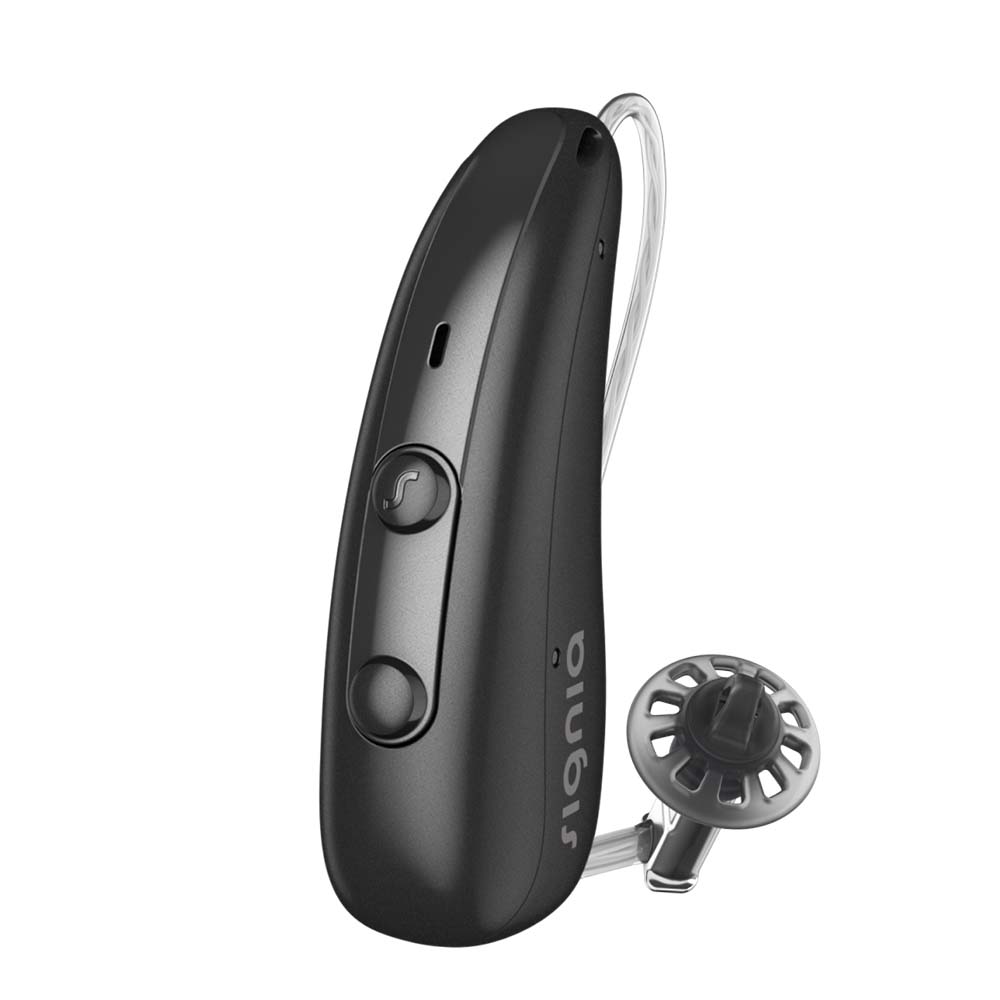
Categories
Health & Wellness Hearing Devices

Hearing Aids Boost Confidence: Insights for Everyone

Last Updated on 22/12/2025 by Admin

Exploring the Profound Effects of Hearing Loss on Life

How Does Hearing Loss Transform Daily Interactions and Experiences?

Hearing loss extends beyond a mere technical challenge; it creates significant barriers in communication and social interaction, profoundly affecting daily life. Individuals facing hearing impairment often encounter various hurdles that can greatly diminish their quality of life. The struggle to communicate effectively leads to frustration and feelings of isolation. When conversations become challenging—especially in group settings—individuals may withdraw socially, which diminishes their sense of belonging. Additionally, hearing difficulties can provoke embarrassment during social engagements, further undermining confidence and self-esteem.

Those with hearing loss face several common daily challenges, such as:

  • Struggling to follow conversations, particularly in noisy environments.
  • Finding it difficult to hear during phone calls or video chats.
  • Frequently asking others to repeat themselves, which can be exhausting.
  • Experiencing feelings of exclusion in group discussions or social gatherings.
  • Feeling fatigued from concentrating hard on listening.
  • Having trouble understanding television shows or music, often needing the volume turned up.
  • Being unable to hear alarms or important signals in their surroundings.
  • Becoming increasingly dependent on others for communication assistance.

These challenges can lead to a decline in self-esteem and overall mental health, highlighting the critical need for addressing hearing loss through supportive measures and advanced technology.

The Emotional and Psychological Consequences of Hearing Impairment

The emotional and psychological effects of hearing impairment are substantial, influencing not only an individual’s self-image but also their overall mental wellness. Those with hearing loss frequently experience a profound sense of loss, including the loss of independence, social connections, and self-worth. This emotional burden can heighten feelings of anxiety and depression. The ongoing struggle to communicate can foster a pervasive sense of inadequacy, as individuals grapple with fears of social rejection and ridicule.

The established connection between hearing impairment and mental health is well-documented. Individuals who find it challenging to engage in conversations or read social cues may experience isolation, leading to further withdrawal from social interactions. However, with the right emotional and technological support systems—such as hearing aids—these negative feelings can be alleviated. Hearing devices can effectively bridge communication gaps, fostering a renewed sense of belonging and enhancing self-esteem. As individuals gain the necessary tools to interact meaningfully with their environment, their overall life satisfaction tends to improve significantly.

What Are the Key Early Indicators of Hearing Loss?

Recognizing the early signs of hearing loss is essential for prompt intervention and support. Early detection can dramatically influence the management of hearing impairment and enhance an individual’s overall quality of life. Common early indicators include difficulties understanding speech, particularly in group settings or amidst background noise. People may find themselves repeatedly asking others to repeat themselves or noticing an increasing need to elevate the volume on their television or audio devices.

Other early warning signs may encompass:

  • Perceiving others as mumbling or speaking too softly.
  • Experiencing tinnitus, characterized by ringing or buzzing in the ears.
  • Straining to hear conversations, leading to physical and mental fatigue.
  • Withdrawing from social activities due to hearing difficulties.
  • Finding it hard to locate the direction of sounds.
  • Struggling to hear in crowded or noisy environments.
  • Misunderstanding words or phrases, resulting in confusion.
  • Relying more heavily on lip-reading to understand speech.

By recognizing these early signs, individuals can seek proper assessments and interventions, including hearing aids that may restore auditory function and improve their overall quality of life.

Expert Perspectives on How Hearing Aids Enhance Self-Confidence

How Do Hearing Aids Contribute to Improved Self-Esteem?

Hearing aids play a crucial role in elevating self-esteem for individuals dealing with hearing loss. By enhancing auditory abilities, hearing aids facilitate improved communication, which is vital for active social engagement. This newfound capacity to participate in conversations leads to reduced stress and anxiety typically associated with hearing impairment. Users often report a significant boost in confidence when they can hear and engage in social interactions without needing to repeatedly ask for clarification or repetition.

To fully leverage the benefits of hearing aids, users can adopt practical strategies, including:

  • Wearing hearing aids consistently to adjust to enhanced sound environments.
  • Engaging in conversations with friends and family to practice listening skills.
  • Utilizing smartphone applications designed to optimize hearing aid functionality.
  • Joining support groups for hearing aid users to share personal experiences and insights.

By implementing these actionable strategies, individuals can cultivate a positive self-image and reclaim their social presence, ultimately leading to boosted self-esteem.

How Technology Enhances Confidence Through Hearing Aids

Modern hearing aids are equipped with cutting-edge technology to amplify user experience and confidence. No longer limited to mere sound amplification, today’s hearing aids feature noise-filtering capabilities, the ability to focus on specific sounds, and seamless connectivity with smartphones for audio streaming. This level of control allows users to customize their hearing experiences to suit various environments, whether engaging in a quiet conversation at home or participating in a vibrant gathering with friends.

The customization options available in hearing aids significantly contribute to users’ confidence. Features like directional microphones enhance sound quality, promoting clearer communication. Furthermore, many hearing aids now include Bluetooth connectivity, facilitating improved interactions with devices and minimizing everyday communication barriers. The integration of artificial intelligence (AI) enables automatic adjustment of sound settings based on the user’s environment, ensuring they remain engaged without the need for constant manual alterations.

What Insights Do Experts Provide About Hearing Aids and Confidence?

Experts in audiology and psychology unanimously concur that hearing aids substantially enhance users’ confidence. Research consistently demonstrates a strong correlation between improved auditory function and increased social participation. Individuals who utilize hearing aids frequently report feeling more connected to their surroundings and more active in their social lives. Numerous real-world examples illustrate transformative experiences following the adoption of hearing aids.

For example, one user recounted how attending social events became intimidating due to their hearing loss. After acquiring hearing aids, they felt empowered to re-enter social settings, engage in conversations, and even lead discussions. This newfound confidence not only revitalized their social life but also positively influenced their personal relationships. Experts emphasize that effective communication capabilities directly translate to heightened self-assurance. By enabling better interactions, hearing aids serve as essential tools for fostering confidence among users.

How Can Hearing Aids Help Overcome Social Anxiety?

Hearing aids play an instrumental role in helping individuals conquer social anxiety, often exacerbated by communication challenges. The inability to hear clearly can foster feelings of inadequacy and reluctance to engage with others, creating a negative cycle of isolation. However, with the assistance of hearing devices, users can regain their ability to participate actively in conversations, enabling them to feel more secure in social settings.

The reduction of social anxiety becomes evident when individuals no longer struggle to understand spoken words or feel embarrassed when requesting others to repeat themselves. For many, wearing hearing aids can be a transformative milestone. With enhanced listening abilities, users often find themselves engaging more freely, initiating conversations, and forming new friendships. Improved communication fosters a sense of belonging and community, which is essential for building confidence. The liberation from anxiety associated with hearing loss often leads to a more enriched social life, enhancing personal connections and experiences.

The Social Advantages of Using Hearing Aids

How Hearing Aids Improve Communication in Social Environments

Hearing aids significantly enhance communication in social environments, transforming interactions for individuals with hearing loss. The ability to hear clearly can be a game-changer, allowing users to immerse themselves fully in conversations without feeling overwhelmed or excluded. Improved auditory function paves the way for more meaningful exchanges, whether in intimate gatherings or larger social events.

With hearing aids, users can seamlessly follow discussions, contribute their thoughts, and respond appropriately. This not only boosts their confidence but also enriches the social experience for everyone involved. Enhanced communication fosters stronger connections, enabling individuals to share stories, jokes, and insights without the barriers that hearing loss often introduces. Additionally, as users become more comfortable in social settings, they are more likely to seek out opportunities to socialize, further elevating their quality of life.

What are the Key Benefits of Hearing Aids in Group Environments?

In group settings, hearing aids provide significant advantages that make socializing more enjoyable and less taxing. For individuals with hearing loss, the challenge of tracking multiple conversations in a noisy environment can be overwhelming. Hearing aids equipped with directional microphones and noise-cancellation features allow users to focus on the primary speaker while diminishing distracting background sounds, facilitating clearer understanding and participation.

Some of the benefits of using hearing aids in group settings include:

  • Improved comprehension of conversations, leading to fewer misunderstandings.
  • Increased engagement and willingness to contribute to discussions.
  • Reduced fatigue from straining to hear, allowing for prolonged participation.
  • Greater enjoyment of social events, resulting in more frequent outings.
  • Enhanced capacity to connect with multiple people simultaneously.
  • Improved confidence in navigating social dynamics.
  • Strengthened relationships due to better communication.
  • Overall enhancement of the social experience for users and their peers.

These benefits not only improve immediate social interactions but also foster long-term relationships and connections, underscoring the importance of hearing aids in daily life.

How Hearing Aids Foster Stronger Social Connections

Hearing aids are pivotal in cultivating stronger social connections, which are vital for emotional well-being. Communication serves as the foundation of relationships; when hearing loss interferes with this, individuals may feel isolated and disconnected. Hearing aids help bridge this gap by enabling users to engage more fully with friends, family, and colleagues.

By enhancing the ability to hear and comprehend, hearing aids facilitate deeper interactions and more meaningful conversations. Users often find themselves re-establishing connections that may have diminished due to communication barriers. The confidence gained from improved hearing encourages increased participation in group activities and community events, further strengthening social ties. As individuals communicate more freely, they are likely to experience enhanced emotional health and overall life satisfaction.

Research-Driven Insights on How Hearing Aids Enhance Confidence

What Does Research Reveal About the Relationship Between Hearing Aids and Confidence?

Research investigating the impact of hearing aids on confidence uncovers compelling evidence of their beneficial effects. Studies show that individuals utilizing hearing aids report heightened levels of self-esteem and confidence. The ability to hear well in social contexts correlates with improved social participation and a better quality of life overall.

Expert analysis indicates that enhanced communication capabilities directly correlate with increased confidence levels. By addressing the challenges associated with hearing loss, hearing aids enable users to engage in conversations, participate in group activities, and form strong social bonds. The transformation is often remarkable, with users describing their experiences as life-changing. Studies consistently indicate that the confidence derived from effective communication not only enhances social interactions but also promotes improved mental health.

What Are the Long-Term Effects of Using Hearing Aids?

Long-term use of hearing aids is associated with sustained improvements in confidence and overall quality of life. Many users experience profound changes not only in their ability to communicate but also in their emotional and psychological well-being. Over time, consistent use of hearing aids helps individuals maintain their social connections and actively engage in community life, reducing the risk of loneliness and depression.

Research suggests that hearing aid users frequently report higher satisfaction across various aspects of life, including personal relationships and professional engagements. Long-term benefits encompass enhanced mental health, increased social integration, and a stronger sense of belonging. By empowering users to engage more fully with their surroundings, hearing aids facilitate a journey toward self-empowerment and enduring confidence that can last a lifetime.

How Do Hearing Aids Affect Mental Health?

The impact of hearing aids on mental health is overwhelmingly positive. By alleviating the difficulties associated with hearing loss, these devices help reduce the psychological strain often linked to auditory impairment. Users frequently report diminished feelings of anxiety and depression, as improved hearing capabilities enable them to engage more fully in social situations.

Enhanced communication nurtures a sense of connection and belonging, critical components of emotional well-being. Users often notice improvements in their mood as they can participate in conversations without the stress of misunderstandings or feelings of exclusion. Hearing aids can also support better cognitive function by keeping users mentally engaged and socially active. The cumulative effect of these advantages leads to improved overall mental health, reinforcing the intrinsic link between hearing and well-being.

How Hearing Aids Promote Social Engagement

Hearing aids significantly enhance social engagement, allowing users to actively participate in conversations and social activities. The ability to hear well fosters connections with others, creating opportunities for meaningful interactions. As users gain confidence in their communication abilities, they are more likely to engage in social situations, further enriching their lives.

The improved capacity to follow conversations leads to increased participation and reduces feelings of isolation. Users often find themselves initiating interactions, attending more social events, and forging new friendships. This active engagement positively contributes to their overall life satisfaction and confidence. As social connections strengthen, users experience a deeper sense of belonging, which is essential for emotional well-being and personal fulfillment.

The Importance of Hearing Aids in Professional Environments

How Hearing Aids Enhance Communication in the Workplace

In professional settings, hearing aids are essential for improving workplace communication. Optimal auditory function enables employees to engage fully in meetings, collaborate effectively with colleagues, and comprehend critical information shared in various formats. Clear communication is vital for job performance and career development, making quality hearing an invaluable asset in the workforce.

By facilitating better communication, hearing aids contribute to a more inclusive work environment. Employees with hearing loss can confidently share their ideas, participate in discussions, and contribute to team success. This not only boosts individual confidence but also enhances overall workplace morale. When employees communicate effectively, productivity increases, leading to a more harmonious and efficient workplace.

What Are the Key Benefits of Hearing Aids for Professionals?

Professionals who utilize hearing aids often report numerous benefits that positively influence their careers. Improved communication skills lead to greater job satisfaction, enhanced performance, and increased confidence in their roles. Some key benefits for professionals using hearing aids include:

  • Improved ability to follow conversations during meetings.
  • Stronger relationships with colleagues and clients.
  • Greater clarity in understanding instructions and feedback.
  • Increased participation in networking opportunities.
  • Boosted confidence in public speaking and presentations.
  • Heightened awareness of important sounds or alerts in the workplace.
  • Reduced stress stemming from communication barriers.
  • Enhanced overall job satisfaction and career advancement.

These advantages not only enhance the immediate work experience but also contribute to long-term career success.

How Hearing Aids Facilitate Career Advancement

Hearing aids can significantly influence career advancement by improving communication and boosting confidence. In today’s fast-paced work environment, effective communication is critical for professional growth. Individuals using hearing aids often discover it easier to engage in discussions, contribute innovative ideas, and collaborate on projects, all of which are vital for career progression.

With enhanced listening capabilities, employees can navigate complex social dynamics more effectively, leading to better relationships with peers and supervisors. This increased engagement often results in recognition for their contributions, opening doors to promotions and new opportunities. As confidence builds, individuals become more likely to take on leadership roles or participate in initiatives that showcase their skills, ultimately paving the way for a successful career.

How Hearing Aids Improve Professional Meetings

Hearing aids significantly enhance participation and comprehension during professional meetings. For those with hearing loss, meetings can often be daunting due to difficult acoustics and multiple speakers. However, with the help of hearing devices, users can follow discussions more easily, ensuring they stay engaged and informed during vital conversations.

The capacity to hear clearly in meetings facilitates more effective collaboration and decision-making. Users are better equipped to contribute their insights, leading to richer discussions and more innovative solutions. Moreover, the confidence gained from effective communication fosters a culture of inclusivity within teams. As all members feel acknowledged and valued, the overall productivity and morale of the workplace improve, creating a positive environment for growth.

How Hearing Aids Enhance Safety in the Workplace

For professionals working in noisy or hazardous environments, hearing aids can enhance safety by improving the ability to hear warnings and communicate effectively with colleagues. Situational awareness is crucial in such settings, and clear hearing is essential for responding appropriately to potential dangers.

Hearing aids equipped with advanced noise-cancellation features allow users to focus on critical sounds, such as alarms or instructions from supervisors, while reducing distracting background noise. This heightened awareness can prevent accidents and ensure a safer workplace for everyone. Furthermore, improved communication among team members fosters better coordination and a more cohesive work environment, ultimately contributing to overall workplace safety.

How Hearing Aids Strengthen Personal Relationships

How Hearing Aids Enhance Family Connections

Hearing aids can significantly enhance family connections by improving communication among family members. Effective communication is fundamental to healthy relationships, and hearing aids empower individuals with hearing loss to engage more fully with their loved ones. Clearer hearing facilitates deeper conversations, shared experiences, and emotional connections that are vital for nurturing familial ties.

With the ability to participate actively in discussions, family members often feel more connected and valued. This improved communication fosters an environment where individuals can express their thoughts and emotions freely, leading to stronger relationships. As users gain confidence in their communication abilities, they become more likely to engage in family activities, creating lasting memories and strengthening their bonds.

What Role Do Hearing Aids Play in Romantic Relationships?

In romantic relationships, hearing aids are crucial for fostering better communication and understanding, which enhances intimacy and connection between partners. Couples often face unique challenges when one partner experiences hearing loss, leading to misunderstandings and frustration. However, hearing aids can help reduce these barriers, facilitating more meaningful interactions.

Enhanced hearing capabilities allow individuals to engage in heartfelt conversations and share experiences with their partners. This increased connection fosters closeness and understanding, which are essential for nurturing romantic relationships. As couples navigate their lives together, the confidence gained from effective communication can lead to a more fulfilling and harmonious partnership.

How Hearing Aids Improve Friendships Through Better Communication

Friendships are vital for emotional support and confidence, and hearing aids can strengthen these relationships by improving communication abilities. Friends often share experiences, laughter, and support, and when hearing loss interferes with these interactions, it can lead to feelings of isolation. Hearing aids help bridge this gap by enabling clearer communication, fostering stronger connections among friends.

As individuals with hearing loss can engage more easily in conversations, they are more likely to initiate and maintain friendships. The confidence gained from improved hearing allows users to participate in social activities and gatherings, enriching their lives and broadening their social circles. These deeper friendships contribute positively to emotional well-being, reinforcing the significance of hearing aids in personal relationships.

Proven Strategies for Maximizing the Confidence Boost from Hearing Aids

How to Choose the Right Hearing Aid for Your Needs

Selecting the right hearing aid is critical to maximizing its effectiveness and enhancing the user’s confidence. Different types of hearing aids come with diverse features, and understanding these options can lead to a better match for individual needs. Key factors to consider when choosing a hearing aid include:

  • The type and severity of hearing loss.
  • Your preferred style (e.g., behind-the-ear, in-the-ear, or completely-in-canal).
  • Battery types—disposable versus rechargeable options.
  • Advanced features like Bluetooth connectivity and noise cancellation.
  • Comfort and ease of use.
  • Adjustability for different listening environments.
  • Consultation with a hearing healthcare professional.
  • Budget considerations and availability of insurance coverage.

Taking these factors into account can lead to a more personalized experience, ultimately enhancing the user’s confidence and satisfaction with their hearing aids.

How Can Users Maximize Their Hearing Aid Benefits?

To maximize the advantages of hearing aids, users should commit to regular use and proper maintenance. Consistent wear allows individuals to acclimate to improved hearing, fostering confidence in various settings. Routine cleaning and maintenance ensure optimal performance as well. Seeking professional adjustments when necessary can also enhance the user experience.

Practical steps for maximizing hearing aid benefits include:

  • Wearing hearing aids daily to adapt to different environments.
  • Regularly scheduling follow-up appointments with audiologists.
  • Utilizing assistive listening devices in challenging situations.
  • Practicing active listening skills with friends and family.
  • Staying informed about the latest hearing aid technology and features.
  • Joining support groups for shared experiences and helpful tips.
  • Educating family and friends on how to communicate effectively with hearing aid users.
  • Maintaining a positive attitude towards hearing loss and device use.

By following these strategies, users can optimize their hearing aid experience and enhance their overall confidence.

What Techniques Can Help with Adjusting to Hearing Aids?

Adjusting to hearing aids may take time, and employing effective techniques can ease this transition. Successful adjustment involves gradual exposure to different sound environments and practicing listening skills. Additionally, seeking support from professionals and peers can provide invaluable guidance during this process.

Effective techniques for adapting to hearing aids include:

  • Starting with shorter periods of use and gradually increasing wearing time.
  • Practicing conversations in quiet environments before tackling louder settings.
  • Utilizing hearing aids in familiar surroundings to build confidence.
  • Understanding the device settings and functionalities through user manuals or audiologist guidance.
  • Engaging in activities that focus on listening, such as music or audiobooks.
  • Encouraging feedback from friends and family regarding sound quality and clarity.
  • Using mobile apps designed to enhance hearing aid performance.
  • Maintaining open communication with audiologists for ongoing support.

These techniques can help users acclimate to their hearing aids more comfortably, leading to improved confidence and social engagement.

The Future of Hearing Aids and Enhancing Confidence

What Innovations Are Shaping Hearing Aid Technology?

Advancements in hearing aid technology continue to improve user experience and bolster confidence. Manufacturers are consistently evolving their products to offer more personalized and effective solutions. Innovations such as artificial intelligence, machine learning, and miniaturization are making hearing aids more user-friendly and accessible.

These developments allow for superior sound quality and customization, enabling users to seamlessly adapt their hearing aids to various environments. Emerging technologies, including smartphone integration and real-time sound processing, are further empowering users to take control of their hearing experiences. As hearing aids become increasingly sophisticated, the potential for boosting user confidence continues to expand, paving the way for a more inclusive future.

What Trends Are Influencing the Future of Hearing Aids?

Current trends shaping the future of hearing aids include miniaturization, improved connectivity, and AI integration. Modern users demand discreet and stylish devices, prompting the development of smaller models that deliver exceptional performance without compromising aesthetics. Enhanced Bluetooth connectivity enables users to connect their hearing aids seamlessly to smartphones and other devices, significantly enhancing their overall experience.

AI integration is revolutionizing hearing aids by enabling them to automatically adjust settings based on the user’s environment and preferences. These advancements not only enhance hearing capabilities but also instill confidence in users as they navigate diverse soundscapes. The future of hearing aids is poised to offer even more support, ensuring that users can fully engage with their surroundings.

How Can Hearing Aids Improve Quality of Life?

Future developments in hearing aid technology promise to significantly enhance users’ quality of life. As innovations continue to emerge, hearing aids are expected to become increasingly effective in addressing various hearing needs. The integration of telehealth services may further improve access to audiology care, allowing users to receive timely support and necessary adjustments.

As technology evolves, the potential for hearing aids to enhance life quality and confidence will only grow. By breaking down barriers and enabling individuals to engage fully with their environment, hearing aids can empower users to lead more fulfilling lives. This forward momentum in hearing aid development reflects a commitment to inclusivity, ensuring everyone can enjoy the benefits of effective communication and social engagement.

Frequently Asked Questions

What are hearing aids?

Hearing aids are electronic devices designed to amplify sound for individuals with hearing loss, enabling them to hear more clearly across various environments.

How do hearing aids work?

Hearing aids capture sound through a microphone, amplify it, and then deliver it to the ear through a speaker, allowing users to hear better.

Can hearing aids improve my confidence?

Yes, hearing aids can significantly enhance confidence by improving communication skills and reducing feelings of isolation associated with hearing loss.

What types of hearing aids are available?

There are several types of hearing aids, including behind-the-ear (BTE), in-the-ear (ITE), and completely-in-canal (CIC) models, each offering different features and benefits.

How do I choose the right hearing aid?

Choosing the right hearing aid involves considering factors like the type of hearing loss, lifestyle needs, preferred style, and budget. Consulting with an audiologist can provide valuable insights.

Are hearing aids comfortable to wear?

Most modern hearing aids are designed for comfort and ease of use. Proper fitting is essential to ensure comfort while wearing them.

How can I maintain my hearing aids?

Regularly clean your hearing aids, replace batteries when necessary, and schedule routine check-ups with an audiologist to ensure optimal performance.

How long does it take to adjust to hearing aids?

Adjustment periods vary among users, typically taking a few weeks to months as individuals acclimate to improved sound environments.

Can hearing aids be connected to smartphones?

Yes, many modern hearing aids come with Bluetooth connectivity, allowing users to stream audio directly from their smartphones or other devices.

How can hearing aids impact my relationships?

Hearing aids can strengthen relationships by improving communication, fostering deeper connections, and reducing feelings of isolation among individuals with hearing loss.

Explore our journey on X!

The post Hearing Aids Boost Confidence: Insights for Everyone appeared first on The Microsuction Ear Wax Removal Network.

Categories
Health & Wellness Hearing Devices

Hearing Aids: A Universal Solution for Communication Gaps

Last Updated on 21/12/2025 by Admin

Enhancing Communication Through the Use of Hearing Aids

How do hearing aids transform daily conversations?

Hearing aids are essential devices that significantly enhance daily conversations in various environments, from friendly chats to structured social events. By amplifying sounds and improving auditory clarity, these devices empower individuals with hearing loss to engage more completely with their surroundings. With hearing aids, users can easily follow conversations with family and friends, actively participate in discussions during social gatherings, and enjoy entertainment options without feeling excluded. This enhancement in sound perception profoundly improves the overall quality of life for those with hearing impairments, allowing them to reconnect with their social circles and the world around them.

Key advantages of using hearing aids include:

  • Enhanced Communication: Users hear conversations more distinctly, which minimizes misunderstandings.
  • Increased Social Participation: Individuals can engage in social events without feeling isolated.
  • Improved Confidence: Clear hearing boosts self-assurance in social interactions.
  • Better Cognitive Health: Active participation in conversations stimulates cognitive function.
  • Decreased Feelings of Isolation: Hearing aids foster connections, reducing loneliness.
  • Enhanced Quality of Life: Overall well-being improves through effective communication.
  • Access to Multimedia: Enjoyment of music, films, and social events becomes more accessible.
  • Strengthened Family Bonds: Clear communication enhances family relationships and mutual understanding.

The significant influence of hearing aids on everyday interactions is evident in various social contexts. For example, during family reunions, individuals utilizing hearing aids can meaningfully engage in conversations, share anecdotes, and partake in enriching exchanges, which deepen familial relationships. Similarly, in diverse social situations such as community gatherings or clubs, the clarity of hearing transforms the experience, paving the way for shared laughter and collaboration.

What role do hearing aids play in personal relationships?

Effective communication is the cornerstone of strong personal relationships, and hearing aids are pivotal in enhancing this communication. Misunderstandings can often lead to frustration and emotional distance among loved ones, but hearing aids help bridge these gaps by fostering clear communication. Many personal stories illustrate how hearing aids have revitalized connections that were previously strained due to hearing loss.

For instance, consider a grandmother who, after receiving hearing aids, can finally hear her grandchildren’s laughter and tales. This device not only restores her communication abilities but also deepens her family connections, enabling her to engage fully in family events and celebrations. Such narratives are common; many individuals report feeling closer to their partners, friends, and family as misunderstandings decrease and shared experiences multiply.

Moreover, hearing aids promote a sense of independence, allowing users to rely less on others for sound interpretation. This shift alleviates frustration for both parties, nurturing healthier dynamics in relationships. Ultimately, by facilitating clearer communication, hearing aids help preserve strong ties, ensuring that subtle expressions of love and support are conveyed with clarity.

How do hearing aids enhance professional communication?

In the workplace, effective communication is crucial, and hearing aids enable individuals to engage actively in discussions and meetings. By allowing users to follow conversations and interact smoothly with colleagues, these devices play a vital role in enhancing professional performance. Research indicates that people who use hearing aids often show improved job performance due to their heightened capability to engage in dialogue and collaborate efficiently.

Statistics reveal that organizations implementing inclusive hearing solutions experience up to a 30% boost in employee engagement and productivity. This improvement is particularly significant in team-oriented environments where collaboration is essential. Employees equipped with hearing aids can contribute more freely, sharing insights and feedback that drive innovation and teamwork.

Furthermore, incorporating hearing aids into workplaces fosters an inclusive culture, ensuring that individuals with hearing loss are valued members of the team. This inclusivity not only enhances employee morale but also attracts a wider talent pool, as companies recognize the importance of accessibility in retaining skilled workers. The collective advantages of improved communication through hearing aids extend beyond the individual, positively influencing team dynamics and overall organizational success.

What is the relationship between hearing aids and mental health?

The connection between hearing loss and mental health issues, such as social isolation and depression, is well-documented. Hearing aids serve as a crucial tool in mitigating these risks by enhancing communication and promoting social interactions. When individuals can hear and engage effectively, they often experience a notable decrease in feelings of loneliness and despair.

Research shows that people with hearing loss who use hearing aids report higher levels of social interaction and emotional well-being. By facilitating clearer conversations, these devices help users establish and maintain relationships, which play a significant role in their mental health. This renewed engagement can lead to increased participation in community events, social gatherings, and friendships, all vital for mental wellness.

Moreover, effective communication can boost self-esteem and confidence, further alleviating the psychological burden linked to hearing loss. Users frequently express relief at being able to join conversations without the anxiety of misunderstanding or being misunderstood. This sense of empowerment fosters a feeling of belonging, highlighting the essential role of hearing aids in improving not just communication but also overall mental health and quality of life.

What technological advancements are shaping modern hearing aids?

Contemporary hearing aids have significantly evolved, featuring cutting-edge technologies that enhance user experiences. Innovations such as digital sound processing, noise reduction capabilities, and Bluetooth connectivity have transformed how individuals interact with their environments. The adaptation to different soundscapes, whether in bustling restaurants or quiet home settings, has become effortless, providing users with customized auditory experiences.

Digital sound processing is a hallmark feature of modern hearing aids, allowing for sophisticated adjustments based on the user’s surroundings. This technology can distinguish between speech and background noise, amplifying the former while minimizing the latter, thereby creating a clearer listening experience. Additionally, Bluetooth connectivity enables users to connect their hearing aids with smartphones and other devices, allowing for direct streaming of calls, music, and media, enriching their auditory experiences.

Furthermore, the rise of artificial intelligence in hearing aids offers personalized sound adjustments based on real-time analysis of the user’s auditory environment. This smart technology ensures that users receive optimal sound quality tailored to their specific needs. As advancements continue, these devices are becoming increasingly intuitive and user-friendly, significantly enhancing the communication capabilities of individuals with hearing loss.

Exploring Features and Innovations in Hearing Aids

What advanced features are available in modern hearing aids?

Modern hearing aids are packed with numerous features designed to greatly enhance user experience. These devices are no longer limited to simple sound amplification; they now incorporate advanced technologies that cater to individual needs and preferences. The integration of digital sound processing has revolutionized the functionality of hearing aids, allowing for personalized sound experiences that adapt to various environments.

Key features of contemporary hearing aids include:

  • Noise Reduction: Advanced algorithms effectively minimize background noise, enhancing speech clarity.
  • Bluetooth Connectivity: Users can directly stream audio from devices, ensuring seamless communication.
  • Rechargeable Batteries: Many models now offer rechargeable options, eliminating the need for frequent battery replacements.
  • Adaptive Sound Processing: These devices automatically adjust settings based on the surrounding sound environment.
  • Directional Microphones: They focus on sounds from specific directions, improving conversation clarity.
  • Remote Adjustments: Users can modify settings via smartphone apps, guaranteeing optimal sound quality.
  • Health Monitoring Features: Some models track physical activity and health metrics, promoting overall wellness.
  • Water Resistance: Enhanced durability features protect against moisture and everyday wear and tear.

These features not only enhance the functionality of hearing aids but also significantly improve the overall user experience. The ability to customize settings according to personal preferences and environments ensures that users remain engaged and active participants in their social and professional lives. Furthermore, the convenience of Bluetooth connectivity and remote adjustments illustrates how modern hearing aids have become integrated into the digital lifestyles of users.

What are the benefits of miniaturization in hearing aid design?

Technological advancements have led to the miniaturization of hearing aids, resulting in devices that are smaller, more discreet, and more comfortable to wear. This evolution has not only improved aesthetic appeal but has also enhanced the overall user experience. The smaller form factor allows for various styles catering to different preferences and levels of hearing loss, from completely in-the-canal (CIC) models to behind-the-ear (BTE) designs.

The benefits of miniaturization include improved comfort and reduced visibility, allowing users to wear their devices confidently without drawing attention. Additionally, the smaller size has facilitated the incorporation of advanced technologies into these compact devices, offering features previously unavailable in larger models. For example, advancements in battery technology have made it possible to provide longer-lasting power sources in smaller hearing aids, ensuring they can be used throughout the day without frequent recharging.

Moreover, the lighter weight of these devices enhances comfort, allowing users to wear them for extended periods without discomfort. The design advancements cater to varying degrees of hearing loss, ensuring that individuals can find a suitable option that meets their specific auditory needs while complementing their lifestyle. The trend toward miniaturization continues to redefine user expectations, making hearing aids more accessible and appealing than ever before.

How are smart technologies integrated with hearing aids?

The integration of smart technologies with hearing aids has transformed the user experience, making these devices more functional and responsive to individual needs. With the rise of smartphone applications and artificial intelligence (AI), hearing aids can now offer personalized adjustments and real-time support that enhance communication capabilities. Smart technologies empower users to take control of their hearing experience, ensuring optimal performance in diverse environments.

For example, smartphone apps allow users to adjust volume levels, switch between programs, and modify sound profiles directly from their devices. This level of control is particularly beneficial in scenarios requiring quick adjustments, such as transitioning from a quiet space to a noisy environment. Furthermore, AI algorithms can analyze sound patterns and automatically adjust settings based on user preferences and environmental conditions, providing a seamless listening experience.

Additionally, smart hearing aids can incorporate health monitoring features, tracking users’ physical activity and offering insights that promote a healthier lifestyle. This multifaceted approach not only improves auditory experiences but also integrates hearing aids into the broader context of personal health management. The synergy between hearing aids and smart technology exemplifies how innovation is shaping the future of communication for individuals with hearing loss, making it more interactive and personalized.

Insights into How Hearing Aids Address Communication Barriers

What are some real-world success stories of hearing aid users?

The transformative power of hearing aids is illustrated in numerous success stories where individuals have experienced substantial enhancements in their quality of life through improved communication. Hearing professionals often share inspiring accounts of clients who have embraced hearing aids, showcasing the profound impact these devices can have.

Noteworthy examples include:

  • A Retired Teacher: After facing challenges due to hearing loss, she rediscovered joy in engaging with her students and community through her new hearing aids.
  • A Business Executive: Improved communication during meetings led to heightened productivity and collaboration, driving project success within his organization.
  • A Grandfather: He regained the ability to hear his grandchildren’s laughter, strengthening family bonds and creating unforgettable memories.
  • A Young Professional: Overcoming social anxiety, she utilized her hearing aids to network confidently and establish important connections in her field.
  • A Musician: With hearing aids, he could enjoy music again, allowing him to perform and share his passion with others.

These stories underscore the essential role of hearing aids in bridging communication gaps, demonstrating how they empower users to engage meaningfully in both social and professional contexts. The positive outcomes of improved hearing extend beyond the individual, fostering connections and enriching the lives of those around them. Hearing professionals are crucial in guiding individuals to find the right solutions tailored to their unique needs, ensuring that the journey towards better hearing is both supportive and transformative.

What steps can individuals take to choose the right hearing aid?

Choosing the ideal hearing aid can be a daunting task, but with expert guidance and thoughtful considerations, individuals can make informed decisions based on their unique needs and lifestyle. The journey begins with a comprehensive hearing evaluation to assess the degree and type of hearing loss. This assessment is crucial in identifying the most fitting hearing aid options.

Experts recommend the following actionable steps for selecting the right hearing aid:

  • Consult a Hearing Professional: Schedule an appointment with an audiologist or hearing specialist for an accurate diagnosis.
  • Determine Your Lifestyle Requirements: Reflect on daily activities and environments where optimal hearing is essential, such as social gatherings or quiet settings.
  • Explore Different Styles: Familiarize yourself with various hearing aid styles and technologies available to identify one that aligns with your preferences.
  • Test Various Models: Take advantage of trial periods offered by hearing aid providers to discover the best auditory experience.
  • Consider Your Budget: Evaluate the costs associated with hearing aids, taking into account potential maintenance and warranty options for long-term use.
  • Assess Connectivity Features: Determine if Bluetooth capabilities for streaming audio from your devices are a priority.
  • Inquire About Support Services: Ensure your provider offers ongoing support and maintenance services for your hearing aids.

By following these steps, individuals can confidently select hearing aids that effectively address their hearing loss while seamlessly fitting into their lifestyles. The right hearing aid not only enhances auditory perception but also significantly improves overall quality of life, allowing users to engage more fully with their surroundings.

What does expert analysis say about the future of hearing aid technology?

The future of hearing aid technology is poised for remarkable advancements, as innovations continue to emerge, promising even greater improvements in sound quality and functionality. Experts foresee a trend toward greater integration of artificial intelligence, enabling hearing aids to learn and adapt to users’ preferences over time. This evolution will lead to more personalized auditory experiences that cater to individual nuances in hearing needs.

Additionally, there is a growing emphasis on connectivity, with future hearing aids likely to incorporate seamless integration with various smart devices. This capability will allow users to manage their hearing aids more efficiently while accessing a broader range of audio content directly from their devices, creating an enriched listening experience. Enhanced sound quality is also a focal point, with developments in acoustic engineering aiming to produce clearer and more natural sound reproduction.

Moreover, as research continues to unveil the connections between auditory health and cognitive function, hearing aids may incorporate features that promote cognitive engagement, supporting overall brain health. The focus on user-friendly design will ensure that hearing aids remain accessible and comfortable, facilitating easy adaptation by new users. Overall, the trajectory of hearing aid technology points toward a future where communication gaps are continually diminished, enhancing users’ experiences in both personal and professional realms.

Understanding the Psychological Benefits of Hearing Aids

How do hearing aids influence mental health?

The connection between hearing ability and mental health is significant, with studies showing that untreated hearing loss can lead to heightened feelings of isolation, anxiety, and depression. Hearing aids serve as a powerful intervention, providing individuals with the opportunity to engage in meaningful conversations and social interactions. By significantly improving communication capabilities, these devices are crucial in enhancing mental health.

The positive psychological effects of utilizing hearing aids are substantial. Users typically report feeling more connected to their social circles, which leads to improved self-esteem and emotional wellness. The ability to participate actively in conversations alleviates feelings of loneliness, creating opportunities for users to form and maintain relationships essential for mental health. This engagement in social activities helps counteract cognitive decline often associated with hearing loss.

Moreover, the empowerment that comes from enhanced communication fosters a sense of agency, as individuals can take control of their social interactions rather than relying on others for assistance. This newfound independence contributes to a more optimistic outlook on life, reinforcing the importance of hearing aids as tools for not just hearing but also for enhancing overall mental health and well-being.

What is the relationship between hearing aids and cognitive function?

Research has established a clear link between hearing loss and cognitive decline, with untreated hearing issues correlating with an increased risk of dementia and other cognitive impairments. Hearing aids play a pivotal role in mitigating these risks by keeping the brain engaged through auditory stimulation. By facilitating clearer communication, hearing aids encourage users to maintain social interactions and cognitive engagement, which are crucial for mental agility.

Studies indicate that individuals who use hearing aids are more likely to engage in conversations that challenge cognitive processes, thereby promoting brain health. Hearing aids assist users in remaining mentally active, as the brain must process sounds and articulate responses effectively. This engagement not only helps maintain cognitive function but also enhances overall quality of life.

Furthermore, the act of listening and responding stimulates various cognitive processes, reinforcing neural connections that are vital for maintaining sharp mental acuity. As users navigate complex auditory environments, such as group discussions or public events, their brains remain active, fostering better cognitive health and emotional resilience. This connection underscores the importance of addressing hearing loss not only for communication but also for preserving cognitive function.

How can hearing aids boost confidence?

Confidence plays a crucial role in both social and professional interactions, and hearing aids can significantly enhance an individual’s self-assurance. When users experience improved hearing, they are more likely to engage actively in conversations, share ideas, and participate in social activities. This level of engagement fosters a sense of belonging and affirmation, boosting their confidence in various settings.

The ability to communicate effectively allows individuals to express themselves more clearly and assertively, reducing anxiety often associated with misunderstandings. For example, someone using hearing aids may feel empowered to contribute in meetings, engage in discussions, and voice their opinions without fear of being misheard or overlooked. This empowerment translates into greater participation in both personal relationships and professional endeavors.

Moreover, enhanced hearing can also lead to improved body language and social cues, as users become more attuned to their surroundings and the reactions of others. This heightened awareness enables individuals to respond appropriately in conversations, further enhancing their confidence. As users embrace their hearing aids and the improved communication they facilitate, they often discover a newfound sense of self-efficacy that positively impacts every aspect of their lives.

Understanding the Functionality of Hearing Aids

What is the fundamental mechanism of a hearing aid?

The basic mechanism of a hearing aid revolves around its capacity to amplify sound, enabling individuals with hearing loss to perceive auditory stimuli more effectively. A hearing aid comprises several essential components, including a microphone, amplifier, and speaker. The process begins when sound waves enter through the microphone, converting them into electrical signals for processing.

Once the sound waves are transformed into electrical signals, the amplifier boosts the strength of these signals before directing them to the speaker. The speaker then converts the amplified signals back into sound waves, which are delivered to the ear. This fundamental process allows hearing aids to enhance sound quality and clarity, facilitating easier engagement in conversations and enjoyment of various auditory experiences.

Moreover, modern hearing aids integrate advanced technologies that enable users to customize their listening experiences. Features such as directional microphones, noise reduction, and digital sound processing further enhance the effectiveness of hearing aids, ensuring that users can hear clearly in diverse environments. This ability to fine-tune sound amplification based on individual preferences and environmental factors exemplifies how hearing aids work to bridge communication gaps and improve overall auditory experiences.

How does the sound amplification process work in hearing aids?

The sound amplification process in hearing aids is intricately designed to improve the auditory experience for users with hearing loss. When sound enters the hearing aid through the microphone, it is first converted into an electrical signal. This initial step is critical, as it allows the device to analyze and process the sound before amplification.

Following this conversion, the electrical signals undergo amplification via a sophisticated digital signal processor (DSP). The DSP adjusts the strength of the sound based on pre-set parameters that account for the user’s specific hearing loss characteristics. This amplification process is finely tuned to ensure that speech is prioritized over background noise, helping users focus on conversations and significant sounds.

Once the signals are amplified, they are transmitted back to the speaker, where they are converted into sound waves that the user can hear. This process enables users to experience sounds more distinctly, allowing for improved communication and engagement. Additionally, advanced features such as noise reduction algorithms and feedback suppression work alongside the amplification process, ensuring that users enjoy a clear and comfortable listening experience.

What types of hearing aid technologies are available?

Hearing aid technologies have diversified greatly, offering users a variety of options that accommodate different degrees of hearing loss and personal preferences. The most common types of hearing aids include behind-the-ear (BTE), in-the-ear (ITE), and completely-in-the-canal (CIC) models. Each style is designed to address specific needs while providing varying levels of amplification and comfort.

BTE hearing aids are among the most versatile, featuring a plastic case worn behind the ear with a tube that channels sound into the ear canal. This design is suitable for a wide range of hearing losses and allows for the incorporation of advanced technology. ITE hearing aids fit directly within the outer ear, offering a discreet appearance while still providing powerful amplification. These devices are particularly advantageous for those with mild to moderate hearing loss.

CIC hearing aids are the most discreet option, fitting entirely inside the ear canal and rendering them nearly invisible when worn. This design is ideal for individuals who prioritize aesthetics and prefer a less noticeable device. Each of these technologies incorporates advanced features such as Bluetooth connectivity, noise reduction, and adaptive sound processing, ensuring that users can enjoy a rich auditory experience tailored to their specific needs.

How should users maintain and care for their hearing aids?

Proper maintenance and care of hearing aids are vital for ensuring their longevity and effectiveness. Regular cleaning and inspections are essential to prevent moisture, debris, and earwax buildup that can interfere with performance. Users should adopt a routine that includes daily cleaning of the device using a soft, dry cloth and specific cleaning tools recommended by the manufacturer.

Additionally, users should regularly check for any signs of wear and tear, ensuring that battery compartments are clean and that sound output remains clear. Keeping hearing aids dry is crucial, as moisture can damage the electronic components. Users should store their devices in a cool, dry place when not in use, preferably in a protective case.

For rechargeable hearing aids, regular charging is necessary to maintain optimal performance. Users should familiarize themselves with the specific guidelines provided by their audiologist regarding battery life and replacement schedules. By taking these proactive measures in maintaining their devices, users can enjoy consistent performance while extending the life of their hearing aids, ultimately maximizing their communication capabilities.

Research-Backed Insights on How Hearing Aids Bridge Communication Gaps

What findings do studies reveal about hearing aid effectiveness?

Research consistently highlights the effectiveness of hearing aids in improving communication skills, enhancing quality of life, and supporting cognitive function among individuals with hearing loss. Various studies have documented the positive outcomes associated with hearing aid use, demonstrating how these devices empower users to engage more effectively with their environments.

For instance, numerous longitudinal studies have found that individuals who utilize hearing aids report significant improvements in their ability to understand speech and interact socially. This enhanced communication capability positively influences relationships, leading to increased social engagement and a higher quality of life. Additionally, research indicates that hearing aids can help mitigate the cognitive decline often associated with untreated hearing loss, promoting overall mental well-being.

Moreover, meta-analyses have shown that hearing aid users experience enhanced emotional health, reporting lower levels of anxiety and depression compared to those who do not use these devices. Collectively, the research underscores the vital role of hearing aids in bridging communication gaps, facilitating better social interactions, and enhancing the overall quality of life for individuals with hearing loss.

What is the long-term impact of hearing aids on communication?

Longitudinal studies examining the long-term impact of hearing aids reveal sustained improvements in communication abilities and social interactions among users. Over time, individuals who wear hearing aids report consistently better outcomes regarding their capacity to engage in conversations, participate in social activities, and maintain familial relationships. These findings suggest that hearing aids not only provide immediate benefits but also foster enduring improvements in communication.

As users adapt to their hearing aids, they often experience increased confidence and reduced anxiety in social situations. This positive feedback loop reinforces the value of continued use, as enhanced communication abilities lead to more active participation in everyday interactions. Moreover, the long-term effects extend beyond communication, contributing to improved emotional well-being and a stronger sense of community involvement.

Research indicates that continued use of hearing aids correlates with heightened social engagement and reduced feelings of isolation over time. Users frequently report feeling more connected to their friends and family, emphasizing that hearing aids play a crucial role in bridging communication gaps and enhancing overall quality of life.

What do experts say about hearing aid usage and outcomes?

Experts in audiology and hearing health continuously analyze data on hearing aid usage and its outcomes, providing valuable insights into how these devices impact users’ lives. The consensus indicates that individuals who consistently use hearing aids experience pronounced improvements in communication, emotional well-being, and social engagement. This analysis underscores the transformative effect of hearing aids in bridging gaps and fostering meaningful connections.

Data shows that hearing aid users report significantly higher satisfaction levels in their personal and professional lives. Users experience enhanced communication skills, leading to improved relationships and job performance. Moreover, experts highlight the importance of proper fitting and regular follow-ups with audiologists, as customized adjustments significantly enhance the efficacy of hearing aids.

Through ongoing research and analysis, experts continue to advocate for greater awareness and accessibility of hearing aids. They emphasize the necessity of ensuring that individuals with hearing loss are equipped with the tools they need to thrive in their social and professional environments, ultimately underscoring the essential role of hearing aids in bridging communication gaps and enhancing quality of life.

How do hearing aids improve workplace communication?

Hearing aids significantly enhance workplace communication, promoting effective interaction among employees and improving overall job performance. In environments where collaboration and teamwork are vital, hearing aids empower users to actively engage in meetings, discussions, and brainstorming sessions. Research indicates that employees who use hearing aids are more likely to participate in group settings, contributing valuable insights that drive productivity and innovation.

Statistics suggest that workplaces with inclusive hearing solutions experience increased employee satisfaction and improved team dynamics. Hearing aids facilitate clearer communication, reducing misunderstandings and fostering collaboration among colleagues. Therefore, organizations prioritizing accessibility and providing hearing aids to employees with hearing loss can expect to see higher levels of engagement and job satisfaction.

Furthermore, the positive impact of hearing aids extends beyond individual users, enriching workplace culture and promoting inclusivity. By ensuring that all employees can contribute to discussions and share ideas, companies can leverage diverse perspectives, ultimately driving better outcomes. The integration of hearing aids into professional settings exemplifies how these devices can bridge communication gaps, enhance collaboration, and improve organizational performance.

The Societal Influence of Hearing Aids

How do hearing aids promote social inclusion?

Hearing aids are crucial in promoting social inclusion, allowing individuals with hearing loss to fully engage in social activities and community interactions. The ability to hear clearly enhances interactions with others, fostering meaningful conversations and shared experiences that are fundamental to social connections. By bridging communication gaps, hearing aids empower individuals to interact confidently in diverse social settings, thereby reducing feelings of isolation.

Whether attending family gatherings, participating in community events, or joining group activities, hearing aids enable users to engage meaningfully and confidently. This heightened engagement fosters a sense of belonging, as individuals feel more connected to their peers and communities. The emotional impact of being included cannot be overstated; it reinforces positive self-esteem and encourages further social participation.

Moreover, hearing aids help dismantle communication barriers, ensuring that individuals with hearing loss can express themselves freely and understand others without difficulty. This facilitation of social inclusion benefits not only the users but also enriches the experiences of those around them, as shared conversations and interactions lead to deeper relationships and mutual understanding across various social contexts.

What role do hearing aids play in community involvement?

Community involvement is crucial for cultivating strong social ties and a sense of belonging, and hearing aids significantly enhance individuals’ ability to engage in these activities. By improving communication capabilities, hearing aids empower users to actively participate in community events, volunteer initiatives, and local gatherings, thereby reinforcing community bonds.

For instance, individuals with hearing aids can fully partake in discussions and activities at local clubs, service organizations, or cultural events, fostering relationships with like-minded individuals. This active involvement not only enhances their social networks but also provides a sense of purpose and fulfillment, as users contribute to community development and cohesion.

Furthermore, hearing aids facilitate intergenerational interactions, bridging gaps between different age groups and encouraging shared experiences. For example, older adults with hearing aids can engage with younger generations, sharing stories and wisdom that enrich community life. This interactivity ultimately cultivates a vibrant community dynamic where everyone feels valued and included, regardless of hearing ability.

How do hearing aids enhance educational opportunities?

In educational settings, hearing aids are vital tools that support improved learning outcomes for students with hearing loss. By enhancing communication between teachers and students, these devices foster an inclusive learning environment where all students can succeed. Hearing aids enable students to hear lectures clearly, participate in discussions, and engage with peers, thereby enriching their overall educational experiences.

Research indicates that students who use hearing aids demonstrate improved academic performance and social engagement. The ability to access auditory information without barriers allows students to focus on learning and interaction, reducing feelings of frustration or exclusion. Additionally, hearing aids facilitate collaborative learning opportunities, as students can work together on projects and discussions without the hindrance of communication obstacles.

Teachers also benefit from having students with hearing aids in their classrooms, as it promotes inclusive teaching practices and encourages the development of tailored instructional strategies to meet diverse learning needs. This proactive approach creates a supportive educational environment where all students feel valued and empowered to succeed.

How do hearing aids boost workplace productivity?

Workplace productivity is significantly enhanced through the effective use of hearing aids, as these devices allow individuals with hearing loss to communicate more clearly and engage actively in professional environments. Improved communication skills lead to better collaboration among team members, resulting in higher levels of innovation and efficiency in project execution.

Statistics indicate that organizations with inclusive practices, including providing hearing aids to employees, see marked improvements in overall productivity. Employees report feeling more engaged and confident when participating in discussions, leading to a more dynamic workplace culture. Moreover, effective communication reduces misunderstandings, streamlining processes and ensuring that projects run smoothly.

Furthermore, providing hearing aids highlights a commitment to accessibility and inclusivity within organizations. This approach not only supports employees with hearing loss but also fosters a positive work environment where all employees can contribute their skills and ideas. Consequently, enhanced workplace productivity becomes a collective benefit, reinforcing the importance of hearing aids in bridging communication gaps and driving organizational success.

What impact do hearing aids have on family relationships?

Family relationships thrive on open communication, and hearing aids are critical in facilitating clear interactions among family members. By improving the ability to hear and understand each other, these devices help reduce misunderstandings and frustrations that often arise from hearing loss. Enhanced communication creates a supportive environment where family members can express their thoughts, feelings, and experiences more freely.

For example, grandparents who wear hearing aids can engage in meaningful conversations with their grandchildren, sharing stories and building connections that are essential for familial bonding. Similarly, family discussions, celebrations, and gatherings are enriched when all members can actively participate and contribute to conversations. This engagement reinforces the values of love, support, and cohesion within the family unit.

Moreover, hearing aids help alleviate the emotional strain that can accompany hearing loss, allowing family members to feel more connected and understanding towards one another. As communication improves, family dynamics strengthen, fostering an atmosphere of empathy and cooperation. By bridging communication gaps, hearing aids enhance family relationships, promoting a nurturing and harmonious home environment.

What challenges do hearing aid users face?

What common issues do hearing aid users encounter?

While hearing aids provide significant benefits, users may face several challenges that can impact their experience. Common issues encountered by hearing aid users include feedback noise, difficulty adjusting to background noise, and the necessity for regular maintenance. Feedback noise can be particularly frustrating, often occurring when sound escapes from the ear mold or when the hearing aid is not fitted properly.

Another challenge is the adjustment period required for users to adapt to background noise. Many hearing aids come equipped with features to minimize background sounds, but users may still struggle in noisy environments, such as crowded restaurants or busy workplaces. This adjustment can require patience as individuals learn to differentiate between important sounds and distracting noise.

Regular maintenance is also crucial for optimal performance of hearing aids. Users must consistently check for wax buildup, moisture exposure, and battery levels to ensure that their devices function effectively. These challenges highlight the importance of ongoing support and guidance from hearing professionals to help users navigate their experiences and maintain their devices in good working condition.

How can users address challenges with hearing aids?

Overcoming challenges associated with hearing aid use requires proactive strategies and support from hearing professionals. For users experiencing feedback noise, seeking advice on proper fitting and adjustments can significantly alleviate this issue. Audiologists can provide solutions that enhance comfort and performance, reducing the likelihood of feedback.

To adjust to background noise, users can practice in different environments, gradually acclimating to various soundscapes. Additionally, utilizing features such as directional microphones can help users focus on specific sounds while minimizing distractions. Engaging in exercises that involve listening to conversations in noisy settings can also enhance adaptability over time.

Regular check-ups with audiologists are crucial for maintaining hearing aids and addressing any emerging challenges. Professionals can offer ongoing support, recommend cleaning techniques, and suggest any necessary upgrades or adjustments to improve the user experience. By actively participating in their hearing health, users can navigate challenges more effectively and enjoy the full benefits of their hearing aids.

Why is proper fitting and maintenance essential?

Proper fitting and regular maintenance are critical components of successful hearing aid use. A well-fitted hearing aid ensures optimal sound delivery and comfort, allowing users to experience the full benefits of their devices. An audiologist plays a vital role in this process, conducting thorough assessments to determine the appropriate style and settings based on individual hearing needs.

Once fitted, ongoing maintenance is essential for preserving the functionality and longevity of hearing aids. Users should establish a regular cleaning routine and schedule periodic check-ups with their audiologist to ensure that their devices remain in optimal condition. This proactive approach minimizes issues related to sound quality and comfort, allowing users to maximize their communication capabilities.

Moreover, understanding the importance of proper care and maintenance empowers users, leading to greater satisfaction with their hearing aids. By taking ownership of their hearing health, individuals can enjoy a seamless auditory experience that enhances their quality of life and fosters meaningful connections with others.

Looking Ahead: The Future of Communication with Hearing Aids

What innovations are on the horizon for hearing aid technology?

The future of hearing aid technology is poised for remarkable innovations, driven by advancements in engineering and digital technology. As the demand for more effective and user-friendly solutions grows, manufacturers are focusing on creating even smaller, more discreet devices that offer enhanced sound quality and functionality. Innovations such as improved battery life, noise cancellation, and AI-driven features are expected to revolutionize the user experience.

One anticipated advancement is the integration of more sophisticated AI algorithms that allow hearing aids to learn from users’ preferences and adapt automatically to different environments. This will enable greater personalization, ensuring that users experience optimal sound quality without the need for constant manual adjustments. Furthermore, the development of hearing aids with built-in health monitoring features could provide valuable insights into users’ physical well-being, promoting overall health management.

Moreover, ongoing research into wireless technology may lead to seamless connectivity between hearing aids and various smart devices. This connectivity could enhance the listening experience by enabling users to stream audio directly from smartphones, televisions, and other devices, significantly enriching their auditory environment. The evolution of hearing aid technology points toward a future where communication gaps are continuously bridged, ultimately enhancing the lives of individuals with hearing loss.

How will hearing aids fit into an increasingly connected world?

As the world becomes increasingly interconnected through technology, hearing aids are expected to integrate more seamlessly with other devices, enhancing communication and user experience. The potential for connectivity will allow hearing aids to function not just as standalone devices but as integral components of a broader digital ecosystem. This integration will enable users to manage their hearing aids through smartphone applications, allowing for real-time adjustments and access to personalized audio experiences.

Moreover, as smart home technologies advance, hearing aids may interact with other devices such as voice assistants, TVs, and home audio systems. This connectivity will allow users to customize their auditory environments effortlessly, providing greater control over their listening experiences. For instance, users could adjust the volume of their hearing aids while watching TV or listening to music, ensuring optimal sound quality across different platforms.

This interconnectedness will enhance the overall functionality of hearing aids, making them more versatile tools for communication and social interaction. As technology evolves, hearing aids will likely become more integrated into users’ daily lives, promoting better engagement with their surroundings and bridging communication gaps in increasingly complex auditory environments.

How will hearing aids continue to bridge communication gaps?

As technology continues to advance, hearing aids will increasingly serve as vital instruments for bridging communication gaps across various settings. Innovations in sound processing, connectivity, and user interaction will enhance their effectiveness, allowing individuals with hearing loss to engage more freely and comfortably in conversations and social interactions.

Future developments in artificial intelligence and machine learning will enable hearing aids to adapt to users’ preferences and environments automatically. This adaptability ensures that users can navigate diverse auditory landscapes effortlessly, thereby enhancing their communication capabilities. Additionally, the integration of advanced noise cancellation and sound amplification technologies will further improve clarity and understanding in noisy environments, where communication is often challenging.

Moreover, as awareness of hearing loss and its impact on communication grows, the push for inclusivity in social and professional settings will strengthen. Organizations and communities will increasingly recognize the importance of providing hearing aids and support for individuals with hearing loss, fostering environments where everyone can participate fully. By continuously evolving and innovating, hearing aids will play an essential role in bridging communication gaps, enriching the lives of users and promoting deeper connections in an increasingly interconnected world.

Frequently Asked Questions (FAQs)

What are the primary functions of hearing aids?

Hearing aids primarily amplify sounds to assist individuals with hearing loss in perceiving auditory information more clearly. They enhance communication by enabling users to hear conversations and other sounds in their environment effectively.

How do I know if I need hearing aids?

If you experience difficulty hearing conversations, struggle to understand speech in noisy environments, or often ask others to repeat themselves, it may be time to consult a hearing professional for an evaluation.

Can hearing aids help with all types of hearing loss?

While hearing aids can significantly improve most types of hearing loss, their effectiveness depends on the severity and type of loss. Consulting an audiologist can help determine the best solution for individual needs.

Are there different styles of hearing aids?

Yes, hearing aids come in various styles, including behind-the-ear (BTE), in-the-ear (ITE), and completely-in-the-canal (CIC) models, each designed to cater to different levels of hearing loss and user preferences.

How long do hearing aid batteries last?

Battery life varies depending on the type of hearing aid and usage. Regular disposable batteries can last from several days to weeks, while rechargeable models can typically operate for a full day on a single charge.

Can I wear hearing aids while exercising?

Yes, many modern hearing aids are designed to be water and sweat-resistant. However, it’s essential to follow care instructions and consult your audiologist for specific guidance on wear during physical activities.

How do I clean and maintain my hearing aids?

Regular cleaning involves wiping the device with a soft, dry cloth and using manufacturer-recommended cleaning tools to keep the microphone and speaker clear of debris. Schedule periodic check-ups with your audiologist for professional maintenance.

Are hearing aids covered by insurance?

Coverage for hearing aids varies by insurance plans. Some plans may cover a portion of the costs, while others may not. It’s advisable to check with your insurance provider to understand your specific benefits.

How can I adjust to wearing hearing aids?

Adjusting to hearing aids can take time. Start by wearing them in quiet environments, gradually introducing more challenging settings to build comfort and familiarity with your device.

Do hearing aids require a prescription?

Yes, a professional evaluation by an audiologist is necessary to determine the appropriate type and settings for hearing aids, ensuring that users receive the most suitable solutions for their hearing loss.

Explore our world on X!

The post Hearing Aids: A Universal Solution for Communication Gaps appeared first on The Microsuction Ear Wax Removal Network.

Categories
Health & Wellness Hearing Devices

Top Picks for Active People: The Best Hearing Aids

Last Updated on 02/12/2025 by Admin

Essential Features of Premium Hearing Aids for Active Lifestyles

Advanced Noise Cancellation Technology for Active Environments

Individuals with active lifestyles often navigate dynamic settings filled with distracting background noise. Hearing aids featuring cutting-edge noise cancellation technology are crucial for maintaining focus and clarity in these environments. This technology enables users to partake in conversations and activities without being overwhelmed by surrounding sounds. Such functionality proves particularly advantageous in vibrant locales like bustling markets, popular hiking trails, or crowded gyms, allowing for a more immersive and engaging experience.

The key advantages of noise cancellation in hearing aids encompass:

  • Enhanced Clarity: Effectively filters background noise, ensuring clearer conversations.
  • Improved Focus: Aids concentration on tasks, minimizing auditory distractions during physical endeavors.
  • Adaptive Settings: Automatically adjusts to diverse sound environments, optimizing hearing in both quiet and chaotic settings.
  • Social Engagement: Encourages active participation in social interactions, significantly boosting overall quality of life.

By incorporating these features, users can fully embrace their active lifestyles, engaging with their surroundings without missing any important moments.

Durability and Water Resistance for Outdoor Enthusiasts

For individuals who lead active lives, hearing aids must be robust enough to withstand various environmental challenges. Durability and water resistance are vital traits that protect hearing aids from sweat, moisture, and physical impacts. Many models are constructed with durable materials such as silicone or reinforced plastics, which not only guard against physical damage but also enhance comfort during prolonged wear.

Investing in hearing aids with high durability ratings guarantees they can endure the rigors of outdoor adventures, whether hiking through rugged terrains or swimming in the ocean. Water-resistant models are specifically designed to prevent moisture ingress, making them suitable for activities like running in the rain or engaging in water sports.

These hearing aids typically feature sturdy casings and undergo rigorous testing to meet industry standards for durability. This allows users to participate in their favorite sports or outdoor pursuits without the constant anxiety of damaging their devices, contributing to a more carefree and enjoyable experience.

Extended Battery Life and Smart Power Management

Battery life plays a crucial role for active individuals who rely on hearing aids throughout their daily activities. Long-lasting batteries ensure users can engage in their pursuits without the inconvenience of frequent recharging. Modern hearing aids come equipped with various power management features designed to extend battery life, including adaptive streaming capabilities and low-power modes.

Some hearing aids utilize rechargeable batteries that can last several days on a single charge, depending on usage patterns and environmental settings. Furthermore, features such as automatic shut-off when removed and smart technology that adjusts power consumption based on environmental noise levels contribute to improved battery longevity.

Users should carefully evaluate the type of battery their hearing aids require and assess the average battery life to ensure it aligns with their active lifestyles. For those constantly on the go, it is advisable to seek models that are energy-efficient while maintaining high sound quality and performance, ensuring a seamless active lifestyle.

Seamless Wireless Connectivity Features

In the digital era, wireless connectivity options in hearing aids have become essential for users with active lifestyles. Contemporary hearing aids are equipped with Bluetooth technology, facilitating effortless integration with smartphones, tablets, and other smart devices. This connectivity empowers users to stream music, phone calls, and even podcasts directly to their hearing aids, significantly enhancing the auditory experience during various activities.

Key connectivity features to consider include:

  • Bluetooth Streaming: Enables direct streaming of audio content from a variety of devices.
  • Mobile Apps: Offers control over settings and personalization through dedicated hearing aid applications.
  • Multi-Device Pairing: Allows simultaneous connection to multiple devices for hassle-free switching between them.
  • Hands-Free Calling: Facilitates answering phone calls without needing to hold the phone, ideal for active scenarios.

These advanced features not only enhance the user experience but also promote a more integrated way of life, allowing active individuals to stay connected without compromising their hearing quality.

Optimal Comfort and Fit for Extended Wear

Comfort and fit are critical for active individuals who wear hearing aids for extended periods. A secure and comfortable fit allows users to engage fully in their activities without the annoyance of discomfort or the need for frequent adjustments. Many modern hearing aids are designed with ergonomic shapes and soft materials that conform to the natural contours of the ear, providing a snug fit that remains secure during movement.

Various styles are available, including behind-the-ear (BTE) and in-the-ear (ITE) models, each offering distinct benefits in terms of comfort and usability. Custom-fitted options can also be molded to the individual’s ear shape, delivering personalized comfort that enhances wearability.

Additionally, many hearing aids come equipped with features such as adjustable ear tips or interchangeable molds, enabling users to customize their fit for different activities. This adaptability not only boosts comfort but also guarantees that the hearing aids deliver optimal sound quality, which is crucial for engaging in sports or enjoying outdoor adventures.

Insights from Experts on Selecting the Best Hearing Aids for Active Lifestyles

What Characteristics Make Hearing Aids Ideal for Active Users?

A hearing aid becomes ideal for active users when it incorporates a range of essential features tailored to support dynamic lifestyles. Users benefit significantly from hearing aids that prioritize durability, comfort, and advanced technology. For example, outdoor sports enthusiasts will appreciate models that are both water-resistant and engineered to withstand physical impacts.

Real-world scenarios highlight these advantages. A hiker using a rugged, water-resistant hearing aid can confidently traverse challenging trails while engaging with fellow hikers without worrying about equipment failure. Likewise, a gym enthusiast can enjoy music streamed directly from their smartphone while remaining connected with trainers and workout partners through their hearing aids. This level of integration not only enhances the overall user experience but also fosters a sense of community during physical activities.

Ultimately, hearing aids designed for active lifestyles blend innovative technology with robust features, ensuring users can stay engaged and connected in a variety of environments, whether they are hiking in the mountains or participating in a fitness class.

How Can Users Effectively Maintain Their Hearing Aids?

Proper maintenance is critical for ensuring the longevity and optimal performance of hearing aids. Experts recommend several straightforward strategies that active users can easily implement. Regular cleaning of hearing aids is essential, as sweat and debris can accumulate, affecting functionality. Users should wipe down their devices daily with a soft, dry cloth and use specialized cleaning solutions as necessary.

Storing hearing aids in a cool, dry location is another vital aspect of maintenance. After engaging in physical activities, placing hearing aids in a protective case can prevent damage and moisture accumulation. Additionally, regularly checking and replacing wax filters can help maintain clear sound quality and prevent blockages.

Users should also schedule routine professional check-ups, wherein audiologists can conduct comprehensive assessments and make necessary adjustments. This proactive approach not only extends the lifespan of the devices but also ensures they deliver the best possible hearing experience for the user.

What Are the Cutting-Edge Innovations in Hearing Aid Technology?

The hearing aid industry is experiencing groundbreaking advancements that cater specifically to active lifestyles. Recent innovations focus on user control, enhanced sound quality, and adaptable features that respond to ever-changing environments. A notable development is the incorporation of artificial intelligence (AI) in hearing aids, allowing for automatic adjustments based on the surrounding acoustic conditions.

AI-driven hearing aids can learn user preferences and adjust settings for different situations, thereby enhancing the auditory experience during various activities. Another significant advancement is the proliferation of smartphone applications that provide users with intuitive control over their devices.

These apps enable users to modify volume levels, switch programs, and even track their hearing health. Furthermore, manufacturers are increasingly emphasizing miniaturization, resulting in discreet, lightweight designs that deliver powerful sound without sacrificing comfort. Collectively, these innovations are reshaping the hearing aid landscape, making them more appealing and functional for active individuals.

Guidelines for Choosing the Perfect Hearing Aid for Active Lifestyles

What Are the Essential Factors to Consider When Choosing a Hearing Aid?

When selecting a hearing aid for an active lifestyle, several essential factors must be taken into account. First and foremost, users should assess their specific hearing needs, including the type and degree of hearing loss. This evaluation aids in determining the appropriate style and features, such as amplification levels and connectivity options that best suit their lifestyle.

Comfort and fit are equally important; a hearing aid that fits comfortably can significantly impact daily use. Active users should seek models that provide adjustable fittings and lightweight designs, ensuring they can wear their hearing aids comfortably during all activities.

Functionality is another crucial consideration. Users should evaluate the hearing aid’s capacity to handle various auditory environments. For instance, a model equipped with advanced noise cancellation and directional microphones is ideal for busy outdoor settings, allowing users to engage in conversations while minimizing distracting background noise. Ultimately, a comprehensive understanding of these considerations empowers users to select hearing aids that align perfectly with their active lifestyles.

Why Professional Fitting and Customization Are Vital

Professional fitting and customization of hearing aids play a crucial role in ensuring optimal performance and user satisfaction. A hearing aid that may appear ideal in theory can fail to deliver desired results without precise fitting. Hearing professionals conduct thorough assessments to understand a user’s unique hearing profile, preferences, and lifestyle demands.

During the fitting process, audiologists can customize various settings, including amplification levels, sound profiles, and noise management features. This tailored approach guarantees that the hearing aids provide the most natural listening experience possible. Additionally, a professional fitting ensures that the devices are comfortable and secure, minimizing the risk of irritation during active use.

Customization extends beyond the initial fitting; periodic adjustments may be necessary as users’ hearing needs evolve or as they encounter different auditory environments. Ongoing collaboration with hearing professionals ensures that the devices remain effective and comfortable, ultimately enhancing the user’s engagement in their favorite activities.

How to Compare Different Hearing Aid Models and Brands?

With a wide array of models and brands available in the hearing aid market, comparing features and prices is essential for finding the best fit for an active lifestyle. Begin by identifying the core features that are non-negotiable for your needs, such as durability, battery life, and advanced connectivity options.

Researching brands known for their innovative technology and excellent customer support is also crucial. For instance, some brands provide extensive warranties and service packages, which can be invaluable for active users who require reliable devices.

When comparing models, consider reading user reviews and testimonials to gain insights into real-world performance. Additionally, visiting audiology clinics for hands-on trials can help users evaluate comfort and functionality before making a purchase. This thorough comparison process empowers individuals to make informed decisions, ensuring they choose hearing aids that effectively enhance their active lifestyles.

Understanding the Advantages of Waterproof and Durable Hearing Aids

The advantages of waterproof and durable hearing aids are immense, especially for active individuals who frequently engage in outdoor activities. These features are essential for ensuring that hearing aids can withstand various environmental conditions, from sweaty workouts to unexpected rain showers.

Waterproof hearing aids are specifically designed to resist moisture, allowing users to participate in water sports, run in the rain, or simply enjoy a day at the beach without the anxiety of damaging their devices. This level of durability ensures that users can maintain their active lifestyle without interruption or concern.

Moreover, durable hearing aids made from robust materials can endure the impacts and stresses of physical activities. This durability translates to fewer replacements and repairs, resulting in long-term cost savings and peace of mind for users. By opting for hearing aids that are both waterproof and durable, individuals can confidently pursue their passions, knowing their devices will keep pace with their active lives.

Research-Backed Advantages of the Best Hearing Aids for Active Individuals

How Do Hearing Aids Enhance Quality of Life for Active Users?

Hearing aids have been shown to profoundly improve the quality of life for individuals with active lifestyles, primarily by enhancing communication and fostering social engagement. Research indicates that people using hearing aids experience greater participation in social activities, strengthening their connections with friends and family. This engagement leads to an increased sense of belonging and overall well-being.

For example, studies reveal that active users who wear hearing aids report feeling more confident in social situations, allowing them to pursue hobbies and interests more freely. Whether joining a local hiking group or participating in community sports, effective hearing aids empower individuals to communicate better and engage fully with their surroundings.

Moreover, the ability to hear clearly in noisy environments enhances situational awareness, making active individuals feel safer during physical activities. This heightened awareness contributes to their overall enjoyment and satisfaction, underscoring the vital role hearing aids play in promoting a fulfilling lifestyle.

What Psychological Benefits Are Associated with Using Hearing Aids?

Beyond the physical health improvements, hearing aids offer significant psychological benefits, particularly in reducing feelings of isolation and enhancing mental health. Studies have shown that individuals who use hearing aids report lower levels of anxiety and depression compared to those who do not.

The ability to engage in conversations and partake in social activities is critical in combating feelings of loneliness. As users reconnect with their communities and participate in group activities, their mental well-being is positively affected.

Additionally, the enriched auditory experiences facilitated by hearing aids contribute to cognitive engagement, which is essential for maintaining mental agility. Regular interactions stimulate the brain, thereby reducing the risk of cognitive decline often associated with untreated hearing loss. Overall, hearing aids serve as an essential tool in fostering mental health and psychological resilience for active individuals.

Long-Term Health Benefits of Consistent Hearing Aid Use

Regular use of hearing aids yields significant long-term health benefits, particularly in relation to cognitive health and overall well-being. Research shows that individuals who consistently use hearing aids face a lower risk of cognitive decline, as these devices help maintain the brain’s auditory processing capabilities.

Studies have underscored the connection between untreated hearing loss and cognitive deterioration, with individuals experiencing a higher incidence of conditions such as dementia. By using hearing aids, individuals can mitigate these risks, ensuring their cognitive abilities remain sharp as they age.

Moreover, engaging in regular social interactions, facilitated by effective hearing aids, promotes emotional health, leading to improved physical health outcomes. Active individuals who feel connected and engaged in their communities are more likely to maintain healthier lifestyles, participate in regular physical activities, and seek necessary medical care. The ripple effect of consistent hearing aid use underscores the importance of addressing hearing loss as a vital component of overall health.

In What Ways Do Hearing Aids Enhance Physical Activity for Active Users?

Hearing aids significantly improve the physical activity experience for active users by enhancing safety, communication, and enjoyment. Research indicates that individuals who wear hearing aids while engaging in sports or exercise report better balance and increased participation in group activities. Enhanced auditory cues from the environment enable users to navigate their surroundings effectively, reducing the likelihood of accidents during physical exertion.

Moreover, the ability to hear instructions from trainers or teammates during group workouts can lead to a more fulfilling exercise experience. This level of engagement not only boosts performance but also fosters camaraderie, as users connect with others on their fitness journeys.

Studies suggest that individuals utilizing hearing aids during physical activities are more likely to adhere to their exercise regimens, contributing to a healthier lifestyle. By integrating hearing aids into their active lives, individuals can experience greater overall satisfaction and commitment to their fitness goals, reinforcing the immense value these devices provide.

Proven Strategies for Optimal Hearing Aids for Active Individuals

How Can Users Maximize the Effectiveness of Their Hearing Aids?

Maximizing the effectiveness of hearing aids involves adopting several proven strategies. Users should ensure their devices are correctly fitted and adjusted to their specific hearing requirements. Regular check-ups with audiologists can help maintain optimal settings and functionality.

Staying informed about device features and updates can also enhance the user experience. Many hearing aids offer customizable settings that can be tailored to different environments, enabling users to switch seamlessly between activities.

To optimize hearing aid usage, consider these helpful tips:

  • Regular Maintenance: Clean the devices consistently to ensure optimal performance.
  • Battery Management: Utilize rechargeable options or carry spare batteries for extended use.
  • Practice Using Features: Familiarize yourself with all functionalities to enhance adaptability.
  • Participate in Support Groups: Engage with others to share experiences and strategies.

By implementing these strategies, users can enhance their hearing aid effectiveness, leading to a more fulfilling and connected active lifestyle.

What Best Practices Should Be Followed for Integrating Hearing Aids into Daily Life?

Integrating hearing aids into daily life necessitates establishing routines and habits that foster consistent use. Users should commit to wearing their devices throughout the day, ensuring they are prepared for any situation that may arise. Creating a designated storage area for hearing aids can help reinforce this habit, making it easy to find and wear them when necessary.

Educating family members and friends about the hearing aids can create a more supportive environment, encouraging open communication and understanding.

Best practices for daily integration include:

  • Set Reminders: Use phone alarms to help remember to wear hearing aids.
  • Engage in Social Activities: Plan outings that encourage wearing devices to enhance communication.
  • Utilize Technology: Leverage apps to control settings and monitor usage.
  • Share Experiences: Discuss hearing aid experiences with peers to enhance comfort and confidence.

These practices not only promote consistent use but also enrich the overall hearing experience, making active lifestyles more enjoyable.

How to Troubleshoot Common Hearing Aid Issues?

Users may face various common issues with their hearing aids, but resolving these problems is often straightforward. Regular troubleshooting can help maintain optimal performance and user satisfaction. One frequent issue is feedback or whistling sounds, typically caused by improper fit or earwax buildup. Ensuring a proper fit and conducting regular cleaning can resolve these concerns.

Another common issue involves connectivity problems with Bluetooth devices. Users should ensure their hearing aids are charged and within range, as well as checking for any software updates that may enhance performance.

Troubleshooting tips include:

  • Check Battery Levels: Always ensure batteries are charged or replaced as needed.
  • Examine for Blockages: Regularly inspect for earwax or debris that may affect sound quality.
  • Re-establish Connections: If experiencing connectivity issues, re-pair devices as necessary.
  • Consult User Manuals: Refer to guides for troubleshooting specific issues related to models.

By proactively troubleshooting these common issues, users can ensure their hearing aids function optimally, enabling them to fully enjoy their active lifestyles.

Essential Accessories and Add-Ons for Enhanced Hearing Aid Performance

Why Compatible Accessories Are Essential?

Utilizing compatible accessories with hearing aids is crucial for optimizing their performance and functionality. These accessories can enhance the user experience across various environments, particularly for those leading active lifestyles. From specialized ear molds to protective cases, compatible accessories can elevate standard hearing aid use into an enriched auditory experience.

For instance, sweatbands designed to wick away moisture can be vital for athletes, preventing sweat from impacting hearing aid performance. Additionally, carrying cases with secure compartments can help safeguard devices during travel or outdoor activities.

Furthermore, using compatible accessories allows users to access additional features, such as remote controls for adjusting settings or streaming devices that connect smartphones directly to hearing aids. By investing in compatible accessories, users can significantly enhance the usability and longevity of their hearing aids, ensuring they remain effective tools for communication and connection during their active pursuits.

What Add-Ons Are Most Beneficial for Active Users?

Active individuals can greatly benefit from specific add-ons designed to enhance the performance of their hearing aids. These add-ons improve usability, comfort, and functionality during various activities. One of the most valuable add-ons is a streaming device, which allows users to connect their hearing aids directly to smartphones, televisions, or other audio devices, providing a seamless listening experience.

Another useful accessory is a fitness tracker that integrates with hearing aids, enabling users to monitor their physical activity levels while receiving notifications through their devices.

Additionally, consider the following practical add-ons:

  • Windshields: Minimize wind noise during outdoor activities.
  • Drying Kits: Essential for moisture management after workouts or exposure to wet conditions.
  • Protective Cases: Safeguard hearing aids from damage during travel or sports.
  • Charging Cradles: Convenient for recharging hearing aids between uses.

These add-ons significantly enhance the experience for active users, ensuring that hearing aids continue to perform optimally during a variety of activities.

Choosing and Using Hearing Aid Apps Effectively

Hearing aid apps play a pivotal role in enhancing user experience by providing additional control and features. When selecting an app, it is vital to choose one that is compatible with your hearing aid model and offers intuitive features. Many apps allow users to adjust volume levels, switch between listening programs, and access sound profiles tailored to specific environments.

Utilizing hearing aid apps can offer significant benefits, such as real-time monitoring of battery life and tracking usage patterns. Some apps even provide access to hearing health resources, helping users stay informed about their hearing journey.

To effectively use hearing aid apps, users should:

  • Familiarize with Features: Explore all functionalities to maximize the app’s potential.
  • Set Up Notifications: Use reminders for maintenance and check-ups.
  • Regularly Update: Keep the app updated to access the latest features and improvements.
  • Engage with Community: Join forums or groups within the app for support and tips.

By leveraging hearing aid apps, users can significantly enhance their auditory experience, ensuring that their hearing aids align seamlessly with their active lifestyles.

How to Maintain and Care for Hearing Aid Accessories?

Proper maintenance and care of hearing aid accessories are essential for ensuring their longevity and optimal performance. Regular cleaning is crucial to prevent dirt and moisture build-up, which can compromise functionality. Users should adhere to manufacturer guidelines for cleaning, using gentle solutions and soft cloths as recommended.

Storing accessories in a designated, dry area also contributes to their longevity. For example, keeping charging cases protected from extreme temperatures and moisture ensures they remain effective and reliable.

Best practices for maintaining accessories include:

  • Routine Inspections: Regularly check for wear and tear on components such as ear molds or tubing.
  • Safe Storage: Store accessories in a protective case when not in use.
  • Thorough Cleaning: Clean accessories according to manufacturer instructions, using appropriate tools.
  • Replacement Planning: Be proactive about replacing worn accessories to maintain optimal performance.

By adopting these practices, users can ensure their hearing aid accessories remain functional and reliable, ultimately enhancing their overall auditory experience.

Frequently Asked Questions

What are the most effective hearing aids for active individuals?

The most effective hearing aids for active individuals are those that offer durability, water resistance, extended battery life, and advanced connectivity features, ensuring optimal performance during a variety of activities.

Are there specific hearing aids tailored for sports activities?

Yes, numerous hearing aids are specifically designed for sports, featuring sweatproof designs, secure fits, and noise cancellation to enhance audio clarity in active environments.

How can I maintain my hearing aids during outdoor activities?

To maintain hearing aids during outdoor activities, regularly clean them, use protective cases, and consider moisture-resistant options to prevent damage from sweat and humidity.

Is it possible to connect my hearing aids to my smartphone?

Yes, many contemporary hearing aids feature Bluetooth connectivity, enabling users to connect directly to smartphones for streaming calls, music, and other audio.

What should I prioritize when selecting hearing aid accessories?

Prioritize accessories that enhance comfort and usability, such as drying kits, protective cases, and streaming devices that improve connectivity and functionality.

How often should I consult an audiologist for hearing aid check-ups?

It is advisable to consult an audiologist for hearing aid check-ups at least once a year to ensure proper fit, functionality, and to make necessary adjustments as needed.

What types of hearing aids are best for music enthusiasts?

Hearing aids with high-fidelity sound processing and adaptive noise cancellation features are ideal for music enthusiasts, providing rich audio experiences across various music genres.

Are rechargeable hearing aids a worthwhile investment?

Rechargeable hearing aids can be a worthwhile investment, providing convenience, extended battery life, and eliminating the need for frequent battery replacements.

How can I enhance my hearing aid experience in social settings?

To enhance your hearing aid experience in social settings, familiarize yourself with your device’s settings, utilize directional microphones, and practice active listening techniques to improve engagement.

Can hearing aids assist with balance issues?

Yes, hearing aids can aid with balance issues by providing auditory cues that enhance spatial awareness, thereby reducing the risk of falls during physical activities.

Explore our world on X!

The post Top Picks for Active People: The Best Hearing Aids appeared first on The Microsuction Ear Wax Removal Network.

Categories
Health & Wellness Hearing Devices

Hearing Aid Size Matters: Its Universal Impact Explained

Last Updated on 24/11/2025 by Admin

Understanding the Significance of Hearing Aid Size for Optimal Comfort

How Does Hearing Aid Size Influence User Comfort Levels?

The size of a hearing aid is critical in determining the overall comfort level for the user. Smaller devices often provide a sense of ease and are less noticeable during wear, while larger models can sometimes lead to discomfort due to their bulkiness. The experience of using a hearing aid involves more than just sound quality; it also includes how the device feels during extended usage. Users frequently report discomfort, which can lead to frustration and even cause them to stop using the device if it does not fit properly.

When discussing the comfort factors associated with hearing aid size, several important aspects come into play. The first is the weight of the device; lighter hearing aids tend to be more comfortable for prolonged use, as they reduce ear fatigue. Next is the design and fit; custom-molded hearing aids can provide a snug fit that avoids creating pressure points. Additionally, skin sensitivity is a significant factor—users with sensitive skin may find larger devices irritating. The style of the hearing aid, whether it is in-ear or behind-the-ear, also affects how noticeable and comfortable it feels. Lastly, the materials used in construction play a crucial role; hypoallergenic materials can significantly enhance comfort for users with sensitivities.

  • Weight of the device
  • Design and fit
  • Skin sensitivity issues
  • Style of the hearing aid
  • Materials used in construction

What is the Impact of Hearing Aid Size on Functionality?

The size of a hearing aid profoundly impacts its functionality, which includes aspects such as sound quality and battery life. Generally, larger hearing aids can house more advanced technology, leading to superior performance, while smaller devices may face limitations in these critical areas. This trade-off presents users with a challenging decision: prioritize size and discretion or opt for enhanced functionality and sound quality.

One of the main trade-offs between size and functionality is battery life. Larger devices often accommodate bigger batteries, resulting in longer usage times. This can be particularly advantageous for users who prefer to wear their hearing aids throughout the day without needing frequent recharging. Conversely, smaller hearing aids may require more frequent battery changes, which can be inconvenient. Another consideration is the sound processing capabilities; larger models typically offer more advanced sound processing features that facilitate improved noise management and clarity. Smaller devices might struggle with background noise or require simpler amplification, potentially sacrificing audio quality.

The design of the components also influences functionality; larger hearing aids can integrate more features like telecoils or multiple microphones, enhancing the user experience. Ultimately, users must assess their individual lifestyle needs and preferences when evaluating the significance of size versus functionality.

  • Battery life considerations
  • Sound processing capabilities
  • Integration of advanced features
  • Design of internal components

How Do Aesthetic Considerations Influence Hearing Aid Size Selection?

Aesthetics play a significant role in determining the choice of hearing aid size for many users. Smaller hearing aids are often favored for their discreet appearance, allowing users to maintain a low profile in social situations. In contrast, larger devices can be more visible, which may affect the user’s confidence and willingness to engage socially. This is particularly relevant in cultures that emphasize appearance and fashion, as the visibility of a hearing aid can have social implications.

The aesthetic appeal of hearing aids is closely tied to self-image. Many individuals want a device that does not draw attention to their hearing loss, promoting a sense of normalcy. Smaller designs can seamlessly blend with natural ear contours, making them less noticeable. Moreover, the variety of colors and styles available in smaller devices allows users to express their personality without compromising functionality. Larger hearing aids, while potentially offering advanced features, may not deliver the same level of aesthetic satisfaction and can lead to increased self-consciousness.

Social interactions can be heavily influenced by how a person perceives their hearing aid. If a user feels uncomfortable or embarrassed about the size of their device, this may hinder their confidence in social situations. Therefore, the decision between a discreet or visible hearing aid can have profound implications not just on the user’s comfort but also on their overall social experience.

  • Self-image and personal perception
  • Blend with natural ear contours
  • Variety of colors and styles
  • Impact on social interactions

Exploring Technological Advancements in Hearing Aid Design

How Has Miniaturization Affected Hearing Aid Performance?

Advancements in miniaturization have revolutionized the hearing aid industry, enabling manufacturers to design smaller devices without sacrificing performance. Enhanced technology in sound processing and battery efficiency has been a significant factor in this transformation. The push for smaller devices has resulted in an explosion of options on the market, appealing to users who value discretion alongside functionality.

One major breakthrough in miniaturization is the development of compact circuitry, which has significantly reduced the size of internal components. This allows for the inclusion of sophisticated features such as adaptive noise control and directional microphones in smaller devices, providing users with improved sound quality. Additionally, advancements in battery technology, particularly lithium-ion batteries, enable smaller hearing aids to last longer while maintaining their compact size.

The integration of digital signal processing (DSP) technology has also played a critical role in miniaturization. DSP allows for enhanced sound processing capabilities within a small format, enabling real-time adjustments that improve hearing quality in various environments. As manufacturers continue to innovate, the possibilities for creating smaller, more efficient hearing aids expand, promising an exciting future for users seeking both performance and discretion.

  • Compact circuitry developments
  • Battery technology advancements
  • Digital signal processing impact
  • Real-time sound adjustments

How Do Manufacturers Balance Size with Advanced Features?

The demand for advanced features in hearing aids has created a challenge for manufacturers: how to balance size with technological innovation. As users increasingly request features like Bluetooth connectivity, smartphone integration, and noise cancellation, manufacturers must consider how these elements can fit into smaller designs. This balance is not just about aesthetics but also about enhancing user experience.

Incorporating advanced features into smaller hearing aids requires innovative engineering. For instance, manufacturers are now utilizing miniaturized components that allow for the inclusion of Bluetooth technology without enlarging the device. This creates opportunities for seamless user experiences, enabling individuals to stream audio directly from their devices. However, every feature added to a hearing aid has implications for its size and weight, necessitating careful consideration during the design process.

Another aspect is the user interface; small hearing aids must include accessible controls while maintaining their compact size. Innovative designs such as touch-sensitive controls and smartphone applications have emerged to address this challenge, providing users with functionality without compromising on size. Overall, the successful integration of advanced features into smaller devices illustrates a significant advancement in the hearing aid industry, catering to a growing demand for both performance and discretion.

  • Miniaturized components for advanced features
  • Seamless user experiences
  • User interface innovations
  • Balancing performance with size constraints

What Are the Future Trends in Hearing Aid Size and Functionality?

The future of hearing aid design promises a shift towards even smaller devices with enhanced capabilities. As technology continues to evolve, the potential for groundbreaking innovations in size and performance is vast. Users can expect a trend towards hearing aids that not only fit more comfortably but also incorporate a range of advanced functions.

One key area of development is smart technology integration. Future hearing aids may leverage artificial intelligence to learn user preferences and adjust automatically to different environments. This can take the form of adaptive sound profiles that optimize hearing based on surroundings, contributing to a user-friendly experience. Additionally, as materials science progresses, new lightweight and durable materials may enable further reduction in size without compromising strength or reliability.

The advent of wireless technology is also likely to play a significant role in shaping future hearing aids. As devices become increasingly connected, users will benefit from enhanced compatibility with other smart devices, leading to more integrated experiences. Moreover, as public awareness of hearing health grows, the demand for stylish and discreet devices will likely drive the market towards even more compact designs.

Ultimately, the pursuit of smaller, more effective hearing aids will continue to dominate the sector. As technology advances, users can look forward to devices that blend seamlessly into their lifestyles while providing exceptional performance.

  • Smart technology integration
  • Adaptive sound profiles
  • Materials science advancements
  • Increased wireless connectivity

How Does Digital Signal Processing Influence Hearing Aid Size?

Digital signal processing (DSP) has fundamentally changed the design of hearing aids, allowing for a more efficient management of sound in smaller devices. This technology enables hearing aids to process sound more effectively, thus enhancing the user experience without necessitating larger sizes. The impact of DSP on hearing aid size is both profound and multifaceted.

One of the critical advancements enabled by DSP is the ability to filter and amplify sounds in real-time. Smaller hearing aids equipped with DSP can adjust to different environments, distinguishing between background noise and speech, which is crucial for clarity in social interactions. This level of sophistication allows manufacturers to create smaller devices that do not compromise performance, as users benefit from clearer sound in various settings.

Moreover, DSP technology contributes to energy efficiency. By optimizing sound processing, smaller hearing aids can maintain longer battery life, addressing one of the primary concerns associated with compact devices. This has significant implications for user experience; individuals can enjoy the benefits of a smaller hearing aid without constantly worrying about recharging or changing batteries.

As DSP technology progresses, the integration of advanced features, such as automatic adjustments based on environmental sounds, will become more prevalent in smaller hearing aids. This evolution not only enhances the functionality of the devices but also serves to meet the growing consumer demand for discreet, high-performance hearing aids.

  • Real-time sound filtering
  • Energy efficiency benefits
  • Automatic environmental adjustments
  • Clarity in social interactions

How Are Innovations in Materials Shaping Hearing Aid Design?

Innovation in materials science has played a pivotal role in the evolution of hearing aid design, particularly regarding size. The advent of new materials such as advanced polymers and lightweight metals has allowed manufacturers to create hearing aids that are smaller, more durable, and more comfortable for users. These advancements significantly impact both the aesthetics and functionality of hearing aids.

One notable material, titanium, has gained popularity in hearing aid construction. It is not only strong and lightweight but also highly resistant to corrosion, making it ideal for devices worn daily. This enables manufacturers to design smaller hearing aids without sacrificing durability. Additionally, the use of lightweight polymers allows for intricate designs and comfortable fits, catering to the diverse needs of users.

Moreover, advancements in biocompatible materials ensure that hearing aids can be worn for extended periods without causing allergic reactions or skin irritation. This is particularly important for users with sensitive skin, as comfort is paramount for prolonged use. The development of soft-touch materials also enhances the user experience, making hearing aids feel more natural and less intrusive.

As manufacturers continue to innovate and experiment with new materials, the potential for even smaller yet more robust hearing aids expands. The fusion of design and technology through materials innovation is setting a new standard in the industry, promising a future where users can enjoy high-performance hearing aids that blend seamlessly into their lives.

  • Popularity of titanium for durability
  • Use of lightweight polymers for comfort
  • Development of biocompatible materials
  • Soft-touch innovations for better user experience

Expert Insights on the Importance of Hearing Aid Size

What Are Real-World Examples of Hearing Aid Size Impact?

Understanding the impact of hearing aid size can be greatly enhanced through real-world examples. Users often have unique experiences that highlight how size affects comfort, functionality, and aesthetics. For instance, a professional musician may prefer a smaller hearing aid that allows them to perform seamlessly without being distracted by bulkiness, which ultimately impacts their overall performance quality. This underscores the importance of comfort and discretion in specific lifestyles, where larger devices could hinder focus.

Another example can be seen with older adults who may struggle with dexterity. A larger hearing aid may be easier for them to handle, allowing for simple adjustments and decreased frustration during use. However, if the device is too conspicuous, it could lead to feelings of embarrassment, ultimately affecting their willingness to wear it consistently. This illustrates that while size can enhance usability for some, it may detract from the experience for others, indicating the need for personalized approaches.

In more urban settings, individuals may face unique challenges with larger devices. For example, someone living in a bustling city may find that a smaller hearing aid helps them stay engaged in social situations without drawing unwanted attention, thus improving their overall confidence. Such examples vividly illustrate the diverse perspectives on hearing aid size, reinforcing the importance of tailoring solutions to individual needs.

  • Professional musicians needing discreet designs
  • Older adults requiring ease of handling
  • Urban dwellers preferring low-profile devices
  • Personalized approaches to hearing aid selection

What Actionable Steps Should You Take to Choose the Right Size?

Choosing the right hearing aid size is a critical decision that should be approached thoughtfully. The process involves several actionable steps to ensure that the selected device meets personal needs and preferences effectively. Firstly, consulting with an audiologist is essential. They can assess individual hearing profiles and provide professional recommendations that consider both auditory needs and lifestyle factors.

Next, users should try different sizes and styles. Many audiology clinics offer fitting sessions where individuals can test various models before making a decision. This hands-on experience allows for a better understanding of comfort levels and functionality, helping users find the perfect fit for their ears and daily routines. When testing, it’s important to consider how the device feels during various activities such as talking, walking, or exercising.

Another step is to evaluate the features that matter most. Some users may prioritize advanced functionalities like Bluetooth connectivity or noise cancellation, which may necessitate a larger device. Understanding which features are essential can help narrow down size options. Finally, feedback from current users can provide invaluable insights; seeking opinions from friends, family, or online communities about their experiences can further guide the decision-making process.

  • Consulting with an audiologist
  • Trying different sizes and styles
  • Evaluating essential features
  • Seeking feedback from current users

What Does Expert Analysis Reveal About Size and User Satisfaction?

Expert analysis indicates a strong correlation between hearing aid size and user satisfaction. Studies show that users who choose devices that fit comfortably and match their aesthetic preferences tend to report higher levels of satisfaction. Comfort is paramount; devices that cause irritation or discomfort can lead to decreased wear time, ultimately affecting the user’s ability to engage with their environment fully.

Additionally, size can impact how users perceive their device in social contexts. Smaller, discreet hearing aids often enhance user confidence, allowing for more natural interactions. Conversely, larger devices may lead to self-consciousness for some individuals, potentially hindering social engagement. Expert insights suggest that user satisfaction improves significantly when devices are tailored to individual preferences, emphasizing the need for personalized fitting processes.

Functionality also plays a key role in user satisfaction. Those who prioritize sound quality and advanced features may prefer larger hearing aids, while users who value discretion may gravitate towards smaller options. The challenge lies in balancing these conflicting desires; manufacturers must continue to innovate to create devices that cater to a diverse range of user preferences while still emphasizing comfort and usability.

  • Correlation between comfort and satisfaction
  • Impact of aesthetics on social interactions
  • Balancing size with functionality needs
  • Importance of personalized fitting processes

What Technological Advancements Are Affecting Hearing Aid Size?

Technological advancements have significantly influenced hearing aid size, leading to the development of smaller, more efficient devices. Innovations in digital sound processing, battery technology, and miniaturized components have paved the way for a broader range of options on the market. These advancements allow users to experience high-quality sound without the drawbacks typically associated with larger devices.

One notable advancement is in battery technology. The introduction of rechargeable lithium-ion batteries has reduced the need for larger compartments, facilitating smaller designs that still offer extended usage. Additionally, advancements in digital signal processing have led to more sophisticated sound management in compact formats. This technology allows for real-time adjustments based on environmental conditions, optimizing the user experience without necessitating an increase in size.

Furthermore, the use of miniaturized components has allowed for the integration of advanced features such as Bluetooth connectivity and noise cancellation in smaller hearing aids. This shift means that users no longer have to compromise on functionality for the sake of discretion. Overall, these technological developments are setting new standards in the hearing aid industry, creating opportunities for innovative designs that cater to the diverse needs of users worldwide.

  • Advancements in battery technology
  • Impact of digital signal processing
  • Integration of miniaturized components
  • Setting new industry standards

How Does Hearing Aid Size Impact Daily Life?

What Is the Impact of Size on Social Interactions?

The size of a hearing aid can significantly influence social interactions, often impacting the user’s confidence and willingness to engage with others. Smaller devices are typically less noticeable, which can help users feel more at ease during conversations. This aspect is particularly important in social environments where individuals may feel self-conscious about their hearing loss. The psychological effects of wearing a hearing aid can be profound; many users experience increased confidence and a greater willingness to participate in social activities when they feel their device is discreet.

On the other hand, larger hearing aids may draw attention, creating a sense of self-consciousness for some users. In cultures where appearance plays a significant role in social dynamics, this visibility can affect interactions and relationships. Users may avoid social situations altogether if they feel that their hearing aid will become a focal point, thus limiting their engagement with friends or family. The emotional impact of feeling ‘different’ can lead to social isolation, highlighting the importance of choosing a hearing aid size that supports confidence and social participation.

In summary, the relationship between hearing aid size and social interactions is complex. Smaller devices often facilitate a more natural social experience, while larger aids may pose challenges that affect user confidence. Understanding these dynamics can help individuals make informed decisions about their hearing aids, ultimately promoting more fulfilling social interactions.

  • Confidence levels in social settings
  • Impact of visibility on interactions
  • Emotional effects of self-consciousness
  • Promotion of social participation

How Does Size Affect Ease of Use and Maintenance?

The size of a hearing aid can also affect its ease of use and maintenance. Smaller devices, while often more discreet and comfortable, may present challenges for users in terms of handling and upkeep. For instance, individuals with dexterity issues may find it difficult to manage the small components of a tiny hearing aid, such as changing batteries or adjusting settings. This necessitates consideration of the user’s physical capabilities when selecting the appropriate size.

Conversely, larger hearing aids might be easier to handle and manipulate. Their size can allow for more accessible buttons and controls, making adjustments more straightforward for users who may have limited dexterity. However, larger devices may not offer the same level of comfort, particularly during long periods of wear. Striking a balance between ease of use and comfort is crucial for ensuring that users can maintain their devices without frustration.

Maintenance is another consideration related to size. Smaller hearing aids may require more frequent cleaning and care due to their intricate components, which can be more sensitive to debris and moisture. In contrast, larger models may offer greater durability and less need for regular upkeep. Ultimately, the choice of hearing aid size should factor in both the user’s lifestyle and their ability to manage the device effectively.

  • Dexterity issues affecting handling
  • Accessibility of controls in larger devices
  • Comfort during extended wear
  • Maintenance requirements based on size

What Activity and Lifestyle Considerations Influence Hearing Aid Size?

The size of a hearing aid can greatly impact its suitability for various activities and lifestyles. For individuals with active lifestyles, smaller hearing aids often prove to be more practical. These devices are less likely to interfere with physical activities, making them ideal for users who engage in sports or outdoor activities. A lightweight, compact design allows for freedom of movement and minimizes distractions during exercise or social outings.

Larger hearing aids, while potentially offering enhanced features, may not be as compatible with active lifestyles. Their size can create discomfort during vigorous activities or lead to concerns about them falling out during movement. Users who lead dynamic lives often prefer devices that seamlessly integrate into their daily routines, and smaller designs are typically more conducive to this requirement.

Additionally, lifestyle factors such as occupation can influence the choice of hearing aid size. For example, individuals working in professional environments may favor discreet devices that do not attract attention, allowing for smooth interactions in meetings or public settings. On the other hand, users in occupations that require constant communication may benefit from larger devices with advanced sound processing capabilities, despite the potential trade-offs in discretion.

Overall, the relationship between hearing aid size and lifestyle considerations is vital in ensuring user satisfaction. When individuals choose devices that align with their activities, they can enhance both their hearing experience and overall quality of life.

  • Practicality for active lifestyles
  • Comfort during physical activities
  • Discretion in professional environments
  • Integration into daily routines

What Are the Advantages of Smaller Hearing Aids?

How Do Discreetness and Aesthetics Enhance User Experience?

One of the most significant benefits of smaller hearing aids is their discreetness, which greatly impacts user confidence. Many individuals prefer devices that are less visible, allowing them to engage socially without drawing attention to their hearing loss. This aspect of aesthetics cannot be underestimated; the psychological effect of wearing a hearing aid that blends seamlessly with one’s appearance can promote a sense of normalcy and self-acceptance.

Smaller hearing aids often come in a variety of skin tones or colors, further enhancing their aesthetic appeal and allowing users to select a device that complements their personal style. This customization can make a substantial difference in how a user perceives their hearing aid, enabling a more positive relationship with the device. Users frequently report feeling more confident and willing to participate in social situations when they know their hearing aid is discreet and aesthetically pleasing.

Moreover, the compact size allows for designs that can fit comfortably without the bulk typically associated with larger devices. This contributes to an overall positive user experience, as individuals can wear their hearing aids for extended periods without discomfort. Small hearing aids also cater to the modern user who prefers technology that is both functional and stylish, reinforcing the notion that hearing aids can enhance life without compromising personal aesthetics.

  • Enhanced confidence through discreet design
  • Customization options for aesthetics
  • Positive relationship with the device
  • Comfort for extended wear

What Comfort and Wearability Benefits Do Smaller Hearing Aids Provide?

Smaller hearing aids typically offer significant advantages in terms of comfort and wearability. Their lightweight design allows users to wear them for extended periods without discomfort, reducing the likelihood of irritation or pressure points that may arise with larger models. This comfort is crucial for individuals who rely on their hearing aids throughout the day for work, social engagements, or leisure activities.

Additionally, the fit of smaller hearing aids can often be customized to the user’s ear shape, further enhancing comfort. Many users report that a snug fit contributes significantly to their overall satisfaction with the device. This tailored approach is essential, as it ensures that the hearing aid stays in place during various activities, providing consistent performance without the need for frequent adjustments.

Moreover, smaller hearing aids can be designed to minimize feedback and improve sound clarity, contributing to a more pleasant hearing experience. Users benefit from advanced technology in compact formats, enjoying high-quality sound without the added weight or bulk. This aspect of smaller devices not only enhances functionality but also encourages users to wear their hearing aids consistently, leading to better hearing outcomes and overall satisfaction.

  • Lightweight design for all-day comfort
  • Customization for ear shape
  • Improved sound clarity in smaller devices
  • Encouragement for consistent wear

How Are Technological Advancements in Miniaturization Transforming Hearing Aids?

Technological advancements in miniaturization have played a pivotal role in the evolution of hearing aids, leading to the development of smaller devices that deliver improved performance. As engineers and designers continue to innovate, they have leveraged technology to create compact hearing aids that incorporate sophisticated features without compromising functionality.

One significant advancement is the integration of smaller microchips and components, which allows for greater processing power in a reduced space. This means that smaller hearing aids can now include features such as automatic environmental adjustments, noise reduction, and connectivity options, enhancing the overall user experience. The ability to pack more technology into a smaller form factor is a testament to the strides made in materials science and engineering.

Another critical development is the enhancement of battery technology, which has enabled manufacturers to create smaller batteries that still provide long-lasting power. Rechargeable lithium-ion batteries have become popular, as they offer convenience and can be housed within compact designs without affecting overall device size. This innovation means users can enjoy the benefits of a smaller hearing aid without frequently worrying about battery changes.

Overall, advancements in miniaturization have ushered in a new era for hearing aids, enabling devices to become less intrusive while offering robust performance. As technology continues to evolve, users can expect hearing aids that are not only smaller but also more capable, reflecting the changing landscape of hearing health technology.

  • Integration of smaller microchips
  • Enhanced battery technology
  • Automatic environmental adjustments
  • Greater processing power in compact designs

What Challenges Are Associated with Larger Hearing Aids?

How Do Aesthetic and Social Considerations Affect Larger Devices?

Larger hearing aids present unique challenges, particularly in terms of aesthetics and social considerations. Many users express concerns about the visibility of these devices, leading to potential feelings of self-consciousness. In a world where appearance often plays a significant role in social dynamics, the conspicuousness of larger hearing aids may affect how individuals interact with others.

The aesthetic appeal of larger hearing aids is often less favorable compared to smaller, more discreet options. Users may feel that their larger devices draw unnecessary attention, leading to apprehension in social settings. This is particularly relevant in cultures that emphasize fashion and personal presentation. The psychological impact of wearing a visible hearing aid can contribute to feelings of inadequacy or embarrassment, potentially affecting the user’s willingness to participate in social activities.

Additionally, larger hearing aids might not offer the same level of customization in color and style, limiting the options for users who wish to express their personal identity. This lack of aesthetic appeal can further deter individuals from wearing these devices regularly, impacting their overall hearing health and quality of life. Ultimately, the challenges associated with larger hearing aids underscore the importance of considering aesthetic factors when selecting a device.

  • Visibility leading to self-consciousness
  • Aesthetic appeal compared to smaller devices
  • Psychological impact on social interactions
  • Limited options for personal expression

What Comfort and Wearability Issues Are Common with Larger Hearing Aids?

Comfort and wearability are significant issues associated with larger hearing aids. While these devices may offer advanced features and enhanced sound quality, their size can create discomfort for users, particularly during prolonged use. Many individuals report experiencing pressure points or irritation when wearing larger devices, which can deter them from using their hearing aids consistently.

One common complaint regarding larger hearing aids is their weight. Heavier devices can cause fatigue on the ears, leading users to remove them after short periods. Additionally, the bulkiness of larger hearing aids may create friction against the skin, resulting in discomfort that can be exacerbated by heat and moisture. Users seeking comfort often find that smaller devices provide a more enjoyable wearing experience, as they are less likely to cause discomfort or irritation.

Another issue relates to the fit of larger hearing aids. While some users may benefit from a more substantial device, others may struggle to find a comfortable fit. Poorly fitting larger hearing aids can lead to slippage or movement, requiring frequent adjustments that can be both frustrating and inconvenient. Ultimately, the challenges associated with comfort and wearability in larger hearing aids emphasize the importance of considering individual needs during the selection process.

  • Weight causing fatigue
  • Bulkiness leading to skin irritation
  • Poor fit and slippage
  • Frequent adjustments required

How Do Users Balance Size with Functionality in Their Choices?

Users face the challenge of balancing size with functionality when selecting hearing aids. While larger devices often come equipped with advanced features and superior sound quality, their size can be a drawback for those prioritizing comfort and discreetness. This creates a dilemma for many users, as they must weigh the benefits of enhanced functionalities against the desire for a more compact, less visible device.

Larger hearing aids may offer features such as multiple microphones, telecoils, and advanced sound processing capabilities that improve the overall listening experience. However, as users prioritize comfort and aesthetics, they may find themselves reluctant to choose larger devices despite the appealing features they provide. This tension can lead to dissatisfaction and even non-compliance with hearing aid use, ultimately affecting hearing health.

To navigate this balancing act, users should carefully assess their priorities. Individuals who lead active lifestyles or engage in frequent social interactions may benefit from smaller, discreet devices that enhance confidence, while those who require advanced sound processing may lean towards larger aids. Finding the right balance between size and functionality is essential in ensuring users have a positive experience with their hearing aids, promoting long-term satisfaction and usability.

  • Advanced features in larger devices
  • Prioritizing comfort and aesthetics
  • Impact on overall hearing health
  • Assessing personal priorities for selection

What Steps Should You Take When Choosing the Right Hearing Aid Size?

What Factors Should You Consider When Selecting Size?

Selecting the right hearing aid size involves considering multiple factors that play a role in both comfort and functionality. One crucial aspect is comfort; users must ensure that the hearing aid fits well and does not cause irritation or pressure points during daily wear. Finding a comfortable fit is essential for encouraging consistent use and promoting a positive experience.

Another significant factor is functionality. Users should evaluate the features they require, such as sound quality, battery life, and connectivity options. Some individuals may prioritize advanced functionalities that larger devices can offer, while others may prefer the discretion of smaller models. Assessing personal needs is fundamental in determining the most suitable size.

Aesthetic considerations also play an important role in the decision-making process. Many users may feel self-conscious about the visibility of their hearing aids, which can impact their social interactions. Choosing a size that aligns with personal style and provides a discreet appearance can boost confidence and enhance the overall experience.

Lastly, lifestyle factors should be taken into account. Users who lead active lives may benefit from smaller, lightweight devices, while those who prioritize sound quality may find larger options more suitable. Striking a balance between these factors can help individuals make informed choices that meet their auditory needs and lifestyle preferences.

  • Comfort during prolonged wear
  • Required functionality and features
  • Aesthetic preferences
  • Lifestyle considerations

Why Is Consulting with an Audiologist Important?

Consulting with an audiologist is a vital step in choosing the right hearing aid size. Audiologists are trained professionals who can assess individual hearing needs and provide personalized recommendations based on specific requirements. Their expertise ensures that users receive the most suitable device for their unique auditory profiles.

During the consultation process, audiologists conduct thorough assessments to determine the degree of hearing loss and identify any underlying issues. This information is invaluable in guiding users toward the most appropriate hearing aid size. Furthermore, audiologists can explain the differences between various models, helping users understand the trade-offs between size, functionality, and comfort.

Audiologists are also equipped to provide personalized fittings, ensuring that users can experience the best possible fit for their hearing aids. This tailored approach is crucial, as it minimizes discomfort and maximizes performance. Regular follow-ups with an audiologist can further assist users in adjusting to their devices and making any necessary changes to improve wearability and satisfaction.

In essence, collaborating with an audiologist empowers users to make informed decisions about their hearing aids, ultimately enhancing their quality of life through improved hearing and more fulfilling social interactions.

  • Assessment of individual hearing needs
  • Guidance on model differences
  • Personalized fittings for optimal comfort
  • Regular follow-ups for adjustments

Why Is Trying Different Sizes Crucial for Finding the Best Fit?

Trying different hearing aid sizes is essential for identifying the best fit for individual users. This process allows individuals to evaluate the comfort and functionality of various models, ensuring that they select a device that meets their unique needs. Many audiology clinics offer trial periods during which users can experience multiple options before committing to a particular model.

During the fitting process, users should pay close attention to how each device feels in their ears. Factors such as weight, stability, and ease of adjustment are crucial considerations. Hearing aids should feel snug yet comfortable, allowing for extended wear without irritation. Taking the time to assess these factors while trying different sizes can significantly enhance the overall satisfaction with the chosen device.

Moreover, users should also consider the functionality of each device during trials. This involves evaluating sound quality, ease of use, and the accessibility of controls. Individuals can assess how well each device performs in different environments, such as quiet rooms, bustling cafés, or outdoors. This firsthand experience will help users determine which size provides the best combination of comfort and functionality for their daily activities.

Ultimately, trying different sizes is a critical step in ensuring that users find a hearing aid that fits seamlessly into their lives, promoting both auditory health and overall well-being.

  • Importance of comfort assessment
  • Evaluation of functionality during trials
  • Firsthand experience in various environments
  • Finding the best combination of comfort and functionality

Frequently Asked Questions About Hearing Aid Size

What is the best hearing aid size for me?

The best hearing aid size depends on your comfort preferences, lifestyle, and specific hearing needs. Consulting with an audiologist can help determine the most suitable option.

Are smaller hearing aids less powerful?

While smaller hearing aids may have limitations on certain functionalities, advancements in technology have allowed many compact models to deliver impressive sound quality and features.

How do I maintain my hearing aid?

Regular cleaning, proper storage, and timely battery replacements are key to maintaining a hearing aid. Consult your audiologist for specific maintenance tips tailored to your device.

Can I wear my hearing aid while exercising?

Yes, many smaller hearing aids are designed for active lifestyles. However, consider moisture protection and stability during vigorous activities.

Do larger hearing aids come with more features?

Typically, larger hearing aids can accommodate more advanced features and improved sound processing capabilities due to their size.

How long do hearing aids last?

With proper care, hearing aids can last between 3 to 7 years, depending on the model and usage frequency.

Can I try different hearing aids before buying?

Yes, many audiology clinics offer trial periods for users to test different hearing aids and find the best fit.

Are there any risks with wearing a hearing aid?

Generally, hearing aids are safe to wear. However, improper fit or lack of hygiene can lead to discomfort or ear infections.

How do I know if my hearing aid fits properly?

A properly fitting hearing aid should feel secure without causing discomfort. Consult your audiologist for adjustments if you experience irritation.

What should I do if my hearing aid is uncomfortable?

If a hearing aid is uncomfortable, consult your audiologist for adjustments or consider trying a different size or model better suited to your needs.

Explore our journey on X!

The post Hearing Aid Size Matters: Its Universal Impact Explained appeared first on The Microsuction Ear Wax Removal Network.