Categories
Health & Wellness Hearing Solutions

Hearing Aids: Enhancing Quality of Life for Aging Populations

Discover the Transformative Benefits of Hearing Aids for Aging Adults

Enhance Your Communication Skills with Hearing Aids

Elderly person smiling, engaged in conversation at family gathering, wearing modern hearing aids.

Hearing loss can create an invisible barrier that significantly affects the elderly’s ability to communicate with family, friends, and the broader community. how hearing aids support aging populations becomes evident through their remarkable capacity to improve communication. For numerous seniors, participating in conversations can become increasingly daunting, often leading to feelings of frustration and isolation. Hearing aids amplify sounds and clarify speech, allowing elderly individuals to engage fully in discussions, whether during family gatherings or casual meet-ups with friends. This enhancement of communication is not just about hearing; it’s about reconnecting with loved ones and actively participating in life.

The positive effects are profound; research indicates that seniors who use hearing aids report significantly better relationships with family members. This enhanced engagement cultivates deeper emotional bonds and diminishes the likelihood of developing mental health issues associated with social isolation. When seniors can hear and respond accurately in conversations, they feel valued and included, which greatly enriches their quality of life. Improved relationships through enhanced communication can lead to a more fulfilling social existence, demonstrating the vital role hearing aids play in emotional wellness.

Moreover, effective communication is crucial for managing healthcare appointments more efficiently. When seniors can hear their healthcare providers clearly, they are more likely to understand their health conditions, treatment options, and necessary follow-up actions. This understanding empowers them to take a more active role in their healthcare journey, fostering a proactive approach to aging gracefully and healthily. Thus, the role of hearing aids extends far beyond mere amplification; they are essential tools for enhancing the overall health and well-being of the elderly.

Boost Your Social Engagement with Hearing Aids

Social interaction is a fundamental aspect of mental and emotional well-being, especially for aging populations. The introduction of hearing aids greatly improves social engagement by enabling seniors to hear conversations, music, and ambient sounds in various settings, including cafes and community centers. This auditory clarity not only encourages greater participation in social activities but also contributes to a more vibrant and active lifestyle, which is essential for mental health.

Seniors experiencing hearing loss often retreat from social situations, intensifying feelings of loneliness and depression. However, with the assistance of hearing devices, many older adults discover renewed opportunities to connect, share experiences, and enjoy communal activities. Whether participating in group exercises, attending religious services, or simply relishing a family dinner, hearing aids facilitate meaningful interactions that effectively combat social withdrawal. Engaging in these social settings creates a sense of belonging and community, essential for emotional health.

Cultural contexts also play a significant role in social interaction. In various cultures worldwide, gatherings often center around storytelling and music, underscoring the importance of auditory connections. The ability to engage in these cultural practices can significantly enrich an elderly person’s sense of identity and belonging, further enhancing the benefits of improved hearing through devices. Thus, hearing aids not only improve auditory clarity but also strengthen cultural ties and social engagement.

Elevate Your Safety Awareness with Hearing Aids

As individuals age, ensuring safety becomes increasingly important, particularly since hearing loss can limit awareness of the surrounding environment. Hearing aids are instrumental in enhancing situational awareness, empowering seniors to respond effectively to critical sounds such as alarms, traffic, or even the voices of caregivers. This heightened awareness significantly reduces the risk of accidents and injuries, creating a safer living environment for older adults.

In urban environments, having the ability to hear approaching vehicles or alerts from public transport systems is vital. For seniors, the ability to navigate their neighborhoods safely is essential for maintaining independence and confidence while moving about. Additionally, many modern hearing aids now incorporate features like directional microphones that help users focus on specific sounds in noisy environments, further enhancing their safety and awareness.

Furthermore, being conscious of one’s surroundings is crucial during emergencies. In situations where immediate attention is required, such as hearing a fire alarm or someone calling for help, having a hearing aid can prevent seniors from becoming vulnerable. This aspect of How hearing aids support aging populations highlights their role in promoting independence and overall well-being, ensuring that seniors can live confidently and safely.

Support Your Cognitive Function with Hearing Aids

Cognitive decline poses a significant challenge for aging populations, and emerging research increasingly supports the idea that hearing aids can play a crucial role in preserving cognitive health. Engaging in conversations and social interactions provides essential mental stimulation necessary for cognitive vitality. By improving auditory input, hearing aids help seniors maintain mental engagement, leading to better cognitive function and health.

Studies suggest that seniors who utilize hearing aids exhibit slower rates of cognitive decline compared to those who do not. Actively participating in discussions and understanding surrounding sounds keeps the brain engaged, thereby reducing the risk of conditions such as dementia. This connection underscores the substantial impact of auditory health on mental wellness, positioning hearing aids as essential tools in the fight against cognitive deterioration and decline.

Moreover, the act of actively listening and processing information can enhance memory retention and critical thinking abilities. For seniors, this means not only remaining socially connected but also staying mentally agile and sharp. Cognitive health is closely tied to overall well-being, making the adoption of hearing aids a proactive measure for maintaining a healthy mind as one ages. This highlights the multifaceted benefits of hearing aids in supporting the elderly population.

Explore the Latest Technological Advancements in Hearing Aids

Experience Enhanced Sound Quality with Digital Signal Processing

The evolution of hearing aids has been nothing short of transformative, primarily due to advancements in digital signal processing (DSP) technology. Unlike traditional analog devices, contemporary hearing aids utilize sophisticated DSP to significantly enhance sound quality. This technology allows for real-time adaptations to various listening environments, enabling seniors to hear better in diverse settings, from bustling restaurants to serene living rooms.

DSP technology analyzes incoming sound waves and customizes amplification to enhance specific frequencies that may prove challenging for the user. This means seniors can enjoy richer and more immersive sound experiences, whether they are listening to music, attending a concert, or participating in lively conversations. The clarity provided by DSP can dramatically alter how seniors interact with their surroundings, leading to a more fulfilling auditory experience.

Additionally, many modern hearing aids come equipped with automatic adjustments, adapting seamlessly to varying noise levels without requiring manual intervention. For instance, transitioning from a tranquil home environment to a vibrant social event can occur smoothly, as the hearing aids intelligently modify settings to optimize the listening experience. This feature alleviates the cognitive load on users, allowing them to concentrate on enjoying the moment rather than fiddling with complicated settings.

Seamlessly Connect with Wireless Technology
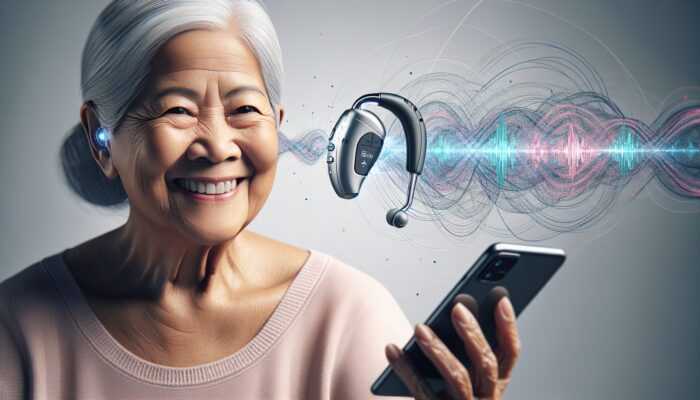
The integration of wireless technology in hearing aids marks a significant breakthrough that enhances the user experience immensely. Many modern devices now come with Bluetooth capabilities, enabling seniors to connect their hearing aids directly to smartphones, televisions, and other audio devices. This connectivity streamlines communication and entertainment options, creating a more inclusive and enjoyable environment for users.

For example, seniors can take phone calls directly through their hearing aids, eliminating the need to hold the phone to their ear. This convenience not only improves clarity but also reinforces independence, allowing users to remain engaged without the hassle of traditional phone usage. Streaming music, podcasts, and other audio content directly into their hearing aids enhances leisure activities, making it easier for seniors to enjoy their favorite media without straining to hear.

Moreover, this wireless connectivity opens up opportunities for remote support and adjustments, allowing audiologists to fine-tune settings without requiring in-person visits. Users benefit from personalized adjustments based on their needs, ensuring a customized hearing experience that adapts to their evolving lifestyles. The interconnectedness of technology significantly enhances the overall quality of life, showcasing yet another way how hearing aids support aging populations.

Enjoy the Convenience of Rechargeable Batteries

Battery life can often be a concern for hearing aid users, especially for seniors who may struggle with frequent replacements. Recent advancements have introduced rechargeable battery technology, providing a game-changing solution that simplifies usage. Modern hearing aids equipped with rechargeable batteries eliminate the hassle of changing small batteries and offer extended usage time, which is particularly critical for active seniors.

Rechargeable hearing aids typically last an entire day on a single charge, with many models featuring straightforward overnight charging solutions. Users simply place their devices in a charging station, ensuring they wake up to fully powered aids each morning. This convenience encourages consistent use, as seniors no longer have to worry about carrying spare batteries or fidgeting with tiny components that can be challenging to handle.

The eco-friendly aspect of rechargeable batteries also appeals to environmentally-conscious individuals. By reducing battery waste, users contribute positively to sustainability efforts. These advancements not only enhance the practicality of hearing aids but also promote a more seamless integration into the daily lives of elderly users, reinforcing the benefits of adopting modern hearing solutions.

Experience Superior Sound Clarity with Noise Cancellation Technology

In an increasingly noisy world, the ability to filter out background sounds can provide remarkable benefits for seniors relying on hearing aids. Noise cancellation technology has advanced significantly, enabling devices to differentiate between desirable sounds and distracting noise, resulting in clearer speech comprehension. This feature is particularly valuable in crowded environments where following conversations can be challenging and overwhelming.

By focusing on specific frequencies associated with speech while dampening background noise, hearing aids equipped with this technology can significantly enhance communication in social settings. For example, during family gatherings where multiple conversations occur simultaneously, users can easily tune in to the voice of a loved one, making for more enjoyable interactions and shared moments.

Additionally, this technology enables seniors to navigate public spaces such as restaurants, parks, or community centers without feeling overwhelmed by auditory distractions. The ability to hear more clearly in these environments fosters confidence and encourages social interaction, which is essential for mental well-being. The innovation behind noise cancellation technology in hearing aids illustrates yet another compelling way how hearing aids support aging populations, enriching their everyday auditory experiences.

Customize Your Hearing Experience with Adjustable Sound Settings

The needs of hearing aid users are as diverse as the individuals themselves; hence, customizable sound settings are a vital feature of modern devices. Many hearing aids allow users to adjust amplification levels, frequency responses, and sound profiles according to personal preferences and specific hearing challenges. This level of customization ensures that each user can fine-tune their auditory experience to suit their unique lifestyles.

For instance, a senior may require different settings for watching television compared to socializing in a bustling café. Customizable sound settings empower users to create profiles tailored to these various environments, ensuring seamless transitions between different auditory experiences. This adaptability is crucial for maintaining an active social life, as it helps seniors engage effectively across a wide range of activities and social situations.

Moreover, advancements in smartphone applications allow users to manage these settings conveniently from their devices. With just a few taps, adjustments can be made on-the-go, ensuring that seniors have control over their hearing experience whenever and wherever needed. This level of personalization not only empowers users but also enhances their confidence in navigating both familiar and new environments, showcasing the versatility of modern hearing aids.

Understand the Impact of Hearing Aids on Mental Health

Minimize the Risk of Depression with Improved Hearing

The connection between hearing loss and mental health is increasingly recognized, with research indicating that untreated hearing loss can lead to elevated rates of depression and anxiety. Seniors who face communication challenges often experience feelings of isolation, which can result in emotional distress. By significantly improving auditory input, hearing aids help mitigate many of these risks, leading to better mental health outcomes.

Using hearing aids enables seniors to engage in conversations and social activities, substantially reducing feelings of loneliness. As they reconnect with family and friends, the positive social interactions help combat depressive symptoms. Studies show that those who utilize hearing aids report higher levels of happiness and life satisfaction, emphasizing the emotional benefits of enhanced hearing and the importance of seeking auditory solutions.

Furthermore, participation in group activities and community events becomes more accessible with improved hearing. Seniors are more inclined to join classes, clubs, or volunteer opportunities, all of which foster valuable social connections that promote overall mental well-being. This reinforces the significance of how hearing aids support aging populations by facilitating enriching social experiences that enhance emotional health.

Preserve Your Cognitive Function with Hearing Aids

Cognitive decline is a significant concern as individuals age, and emerging evidence suggests that hearing aids may play a crucial role in preserving cognitive function. The brain requires stimulation to maintain optimal health, and engaging in conversation is a vital component of this mental exercise. By improving hearing, seniors can participate more actively in discussions, keeping their minds sharp and engaged.

Studies indicate that individuals with hearing loss who use hearing aids experience slower cognitive decline rates compared to those who do not. This protective effect underscores the importance of auditory health in relation to cognitive longevity. Engaging with others, whether through storytelling or casual chats, fosters neural connections and cognitive resilience, showcasing the profound impact of hearing aids on mental acuity and health.

Moreover, the mental effort required to follow conversations when hearing is impaired can lead to cognitive fatigue. Hearing aids alleviate this strain, allowing seniors to engage with less effort. This improvement not only enhances their immediate social experiences but also contributes to long-term cognitive health. The interplay between auditory clarity and cognitive function illustrates another significant way how hearing aids support aging populations in maintaining their mental faculties.

Boost Your Emotional Well-being with Hearing Aids

Enhanced hearing through the use of hearing aids has a direct and positive impact on emotional health. The ability to connect with others fosters a sense of belonging and value, vital elements of emotional well-being. Seniors who can fully engage in conversations experience increased feelings of self-worth and confidence, which are essential for maintaining mental health.

Additionally, the empowerment that arises from the ability to hear and engage effectively can inspire positive outlooks on life. Many seniors report feeling more socially active and less withdrawn when using hearing aids, which substantially enhances their overall happiness. This emotional uplift contributes to a more fulfilling and engaged lifestyle, illustrating the multifaceted benefits of improved hearing on mental health.

The psychological advantages of using hearing aids extend beyond mere auditory improvements. As seniors navigate their social landscapes with confidence and clarity, they are more likely to cultivate meaningful relationships and enjoy their lives to the fullest. This highlights the essential role of hearing aids in promoting emotional health, ultimately demonstrating the profound ways how hearing aids support aging populations in leading happier lives.

Explore Accessibility and Affordability of Hearing Aids

Understand Insurance Coverage Options for Hearing Aids

Access to hearing aids has historically been a challenge for many seniors due to financial limitations. However, growing awareness of the importance of auditory health has led to changes in insurance coverage policies. Many health insurance plans now provide some level of coverage for hearing aids, making these essential devices more accessible to aging populations.

Understanding the intricacies of insurance coverage can empower seniors to seek the assistance they need. By researching policies and engaging with insurance representatives, individuals can identify options that may alleviate the financial burden associated with hearing aids. This knowledge is particularly beneficial as it encourages seniors to take charge of their hearing health and explore available resources that can help them afford these life-enhancing devices.

Additionally, some government programs offer subsidies for hearing aids and related services, further assisting those in need. These initiatives emphasize the recognition of hearing health as a crucial component of overall wellness, ensuring that seniors can obtain the devices necessary for improved communication and enhanced quality of life.

Discover Government Assistance Programs for Hearing Aids

A variety of government assistance programs exist to help alleviate the financial strain associated with obtaining hearing aids. Programs at both local and national levels aim to support seniors, ensuring that they have access to the auditory tools necessary for maintaining a quality life. Eligibility criteria may vary, but many programs are designed to assist low-income individuals, veterans, and those with specific health conditions.

These initiatives can significantly reduce costs, allowing seniors to acquire hearing aids without confronting overwhelming financial burdens. In some instances, programs may offer free or low-cost evaluations, fittings, and follow-up services, providing comprehensive support for users. The existence of such programs underscores the commitment to enhancing auditory health as a public health priority, ensuring that seniors receive the care they deserve.

Furthermore, community organizations may also provide resources and support for seniors navigating this landscape. By connecting with local groups or non-profits focused on hearing health, individuals can access valuable information regarding available assistance, ensuring that they can make informed decisions about their hearing care and enhance their quality of life.

Shop for Over-the-Counter Hearing Aids

In recent years, the availability of over-the-counter (OTC) hearing aids has revolutionized access for seniors. This development introduces a more affordable option for those who may not qualify for insurance coverage or government assistance. OTC hearing aids allow individuals to purchase devices without needing a prescription or audiologist consultation, significantly lowering the barrier to entry.

This enhanced accessibility empowers seniors to take charge of their hearing health, enabling them to seek solutions at their own pace. With this newfound independence, many older adults are exploring the benefits of hearing aids and acknowledging the positive impacts on their communication and social interactions, enhancing their overall well-being.

However, it is essential for seniors to approach OTC options with caution. While these devices can be effective, they may not address specific hearing needs as comprehensively as customized solutions provided through audiologists. Therefore, seniors are encouraged to conduct thorough research and, when possible, consult with professionals to identify the most suitable OTC options for their unique hearing challenges.

Customization and Comfort in Hearing Aids

Experience Tailored Sound Settings for Optimal Hearing

Personalization is a crucial factor in the successful use of hearing aids, and tailored sound settings allow users to experience sound in a way that best fits their needs. Many modern hearing aids come equipped with advanced features that enable individualized adjustments, which can be critical in ensuring optimal performance and user satisfaction.

Seniors often encounter diverse environments throughout their daily lives, each requiring different sound settings. For instance, the auditory demands of a quiet library differ significantly from those of a lively family gathering. Tailoring sound settings to these environments empowers users to hear their best, regardless of the situation, greatly enhancing their interaction and enjoyment of social activities.

Additionally, many hearing aids can capture user preferences over time, learning which settings work best for specific situations. This adaptive technology ensures that seniors have an effortless hearing experience, allowing them to focus on conversation and connection without the burden of constant technical adjustments. Such customization not only enhances the effectiveness of hearing aids but also encourages sustained usage, leading to a richer and more fulfilling lifestyle.

Enjoy the Ergonomic Design of Modern Hearing Aids

Comfort is a crucial consideration when it comes to hearing aids, particularly for seniors who may be wearing them for extended periods. Modern hearing aids are designed with ergonomics in mind, ensuring a comfortable fit that accommodates the unique anatomy of each individual’s ear. This thoughtful design reduces the likelihood of discomfort, allowing users to wear their aids for longer durations without irritation.

Options such as behind-the-ear and in-the-ear models allow users to select devices that best suit their preferences and lifestyles. The lightweight materials and streamlined designs make these aids nearly imperceptible, reducing any stigma associated with wearing them and enabling seniors to move freely without distraction. The emphasis on comfort is crucial, as it encourages consistent use, which is essential for maximizing the benefits of hearing aids.

In addition to fit, many manufacturers offer customizable features like soft ear tips and adjustable bands to ensure that users can find the perfect fit for their needs. This focus on comfort ultimately enhances the overall experience of wearing hearing aids, showcasing yet another way how hearing aids support aging populations in achieving auditory clarity and comfort.

Navigate with User-Friendly Controls

A significant aspect of hearing aid technology is the emphasis on user-friendly controls. Simplified interfaces and intuitive designs make it easier for seniors to navigate settings and features without feeling overwhelmed. Many modern hearing aids come with clear buttons or touch sensors, allowing users to make real-time adjustments quickly and effectively.

This ease of use is particularly beneficial for seniors who may not be as tech-savvy. By having a straightforward control system, they can feel more confident in managing their hearing aids, promoting consistent wear and engagement with the world around them. This user-friendly approach is complemented by detailed instructions and support materials, ensuring that seniors can access assistance whenever necessary and enhancing their overall experience.

Incorporating technology in a way that prioritizes usability helps bridge the gap for aging populations, making hearing aids more accessible and less intimidating. As seniors gain confidence in using their devices, they can fully embrace the auditory empowerment that hearing aids provide, fostering a more connected and enriched lifestyle.

Enhance Comfort with Adjustable Features

Comfort features in hearing aids extend beyond fit; they also include adjustable options designed to enhance the overall user experience. Many models now offer customizable features such as soft ear tips that conform to the shape of the user’s ear and adjustable bands that provide a snug yet comfortable fit.

These features ensure that seniors can wear their hearing aids for extended periods without discomfort. By prioritizing comfort, manufacturers recognize the importance of long-term wear, which is essential for maximizing the benefits of hearing aids. When seniors can comfortably wear their devices throughout the day, they increase their likelihood of engaging in social activities, thereby enhancing their overall quality of life.

Furthermore, many hearing aids come with programmable settings that allow users to adjust comfort levels based on different environments. For instance, a senior may prefer a looser fit while at home but a tighter fit during outdoor activities. This adaptability ensures that users can enjoy their hearing aids without compromising on comfort or auditory clarity, further illustrating the advancements in hearing aid technology.

Utilize Personalized Program Settings for Optimal Hearing

Personalized program settings offer a tailored auditory experience that accommodates the diverse environments seniors encounter daily. Many hearing aids allow users to save multiple settings based on specific situations, such as dining with friends, attending a concert, or enjoying a quiet evening at home.

This personalization is crucial, as it empowers seniors to create hearing profiles that suit their lifestyles. For example, a program specifically designed for a noisy restaurant can emphasize speech clarity while minimizing background distractions. As a result, users can remain engaged in conversations without the frustration of competing sounds, enhancing their overall social experience.

Moreover, the ability to switch between these personalized settings with ease ensures that seniors can adapt to different situations effortlessly. Whether it’s a gathering with family or a quiet moment at home, having tailored settings significantly enhances the overall auditory experience, making it more enjoyable and fulfilling. Many modern devices offer smartphone applications that enable users to manage these settings conveniently, further empowering seniors to tailor their hearing experience to their needs.

Ensure Professional Support and Maintenance for Optimal Performance

Schedule Audiologist Consultations for Optimal Hearing Care

Regular consultations with audiologists are vital for ensuring that hearing aids function optimally and meet the user’s specific needs. Audiologists provide comprehensive assessments, helping seniors understand their hearing loss and the best strategies to manage it. These consultations can lead to personalized hearing solutions tailored to individual preferences and lifestyle requirements, maximizing the effectiveness of the devices.

During check-ups, audiologists can make necessary adjustments based on user feedback, ensuring that settings are optimized for the user’s environment and hearing preferences. This ongoing support contributes to the longevity and effectiveness of hearing aids, as adjustments can be made to accommodate changes in hearing ability over time. Regular check-ins also provide seniors with opportunities to ask questions and receive guidance on using their devices effectively.

Moreover, audiologists serve as invaluable resources for seniors seeking information about advancements in technology, new products, and emerging trends in hearing health. By staying informed and engaged with their audiologist, seniors can maximize the benefits of their hearing aids, leading to improved overall quality of life and a more connected existence.

Utilize Cleaning and Maintenance Services for Longevity

Proper cleaning and maintenance of hearing aids are essential for ensuring their longevity and effectiveness. Dust, moisture, and wax can accumulate in hearing aids, impacting sound quality and overall performance. Many audiologists and hearing aid providers offer professional cleaning services, which are crucial for maintaining device functionality and ensuring optimal auditory experiences.

These services typically include thorough cleaning of components, checks for any damage, and necessary updates to settings. Regular maintenance helps prevent minor issues from escalating into significant problems, ensuring that seniors can rely on their hearing aids when they need them most. With professional support, users can have peace of mind knowing that their devices are in optimal condition.

Additionally, many manufacturers provide user-friendly cleaning kits and instructions for at-home maintenance. Seniors can learn how to clean and care for their devices, ensuring optimal performance between professional cleanings. This knowledge empowers users to take an active role in their hearing health, reinforcing the importance of consistent maintenance and care to extend the lifespan of their hearing aids.

Access Troubleshooting and Repair Services for Quick Solutions

Access to quick and efficient troubleshooting and repair services is crucial for maintaining the usability of hearing aids. Hearing aids, like any electronic devices, may encounter technical difficulties or require adjustments over time. Having reliable support allows seniors to resolve issues promptly, ensuring they can continue to enjoy the benefits of improved hearing without prolonged disruptions.

Many audiology clinics offer walk-in services for troubleshooting common problems, including battery replacements, software updates, and minor repairs. This accessibility is especially beneficial for seniors, as it provides peace of mind, knowing that assistance is readily available when needed. Quick service options ensure that seniors can maintain their devices without significant delays, promoting continuous use.

Additionally, some manufacturers have introduced remote troubleshooting services, enabling audiologists to diagnose and resolve issues without requiring an in-person visit. This approach not only saves time but also enhances accessibility, as seniors can receive support from the comfort of their homes. By ensuring that seniors have access to effective troubleshooting and repair solutions, the hearing aid experience becomes smoother and more reliable, further enhancing their overall quality of life.

Encouraging Hearing Aid Adoption Among Seniors

Implement Education and Awareness Campaigns

One of the greatest challenges in encouraging seniors to adopt hearing aids is a lack of awareness regarding the benefits of improved auditory health. Education and awareness campaigns play a vital role in informing seniors about the advantages of hearing aids, helping them understand the significant impact these devices can have on their quality of life.

Community organizations, healthcare providers, and advocacy groups can collaborate to create informative resources that highlight the benefits of hearing aids. Workshops, seminars, and informational pamphlets can provide seniors with insights into how hearing aids improve communication, social interaction, and overall well-being, addressing common misconceptions and fears.

Moreover, sharing personal stories from those who have successfully integrated hearing aids into their lives can serve as powerful motivators. Hearing testimonials from peers can resonate deeply with seniors, illustrating the transformative impact that enhanced hearing can have on daily experiences. By fostering a supportive environment and promoting awareness, communities can inspire seniors to seek help for their hearing loss.

Foster Family and Community Support

Support from family and community members can significantly influence a senior’s decision to adopt hearing aids. Encouraging conversations about hearing health within families can create a supportive atmosphere that normalizes the use of hearing aids. When seniors see their loved ones advocating for auditory health, they may feel less apprehensive about seeking assistance and more inclined to address their hearing issues.

Community initiatives that facilitate group discussions and workshops can also cultivate an environment of support. By creating spaces where seniors can share their experiences and concerns, communities reinforce the message that seeking help for hearing loss is not only acceptable but beneficial. This encouragement can empower seniors to take proactive steps towards improving their hearing health.

Family members can play a crucial role in accompanying seniors to audiologist appointments and helping them understand their options. This hands-on support can alleviate anxiety and empower seniors to make informed decisions about their hearing health. Ultimately, fostering strong family and community support networks can enhance the overall adoption of hearing aids among seniors, ensuring that the benefits of improved hearing are accessible to all.

Promote Accessible Hearing Aid Technology

To encourage adoption, hearing aid manufacturers are increasingly focusing on creating user-friendly devices that cater to the varying levels of tech-savviness among seniors. By designing straightforward interfaces with clear instructions, manufacturers can make the transition to using hearing aids more seamless for older adults.

Features such as large buttons, intuitive touchscreens, and simplified app navigation can provide a more accessible user experience. This design consideration can alleviate concerns that seniors may have regarding technology, encouraging them to explore the benefits of hearing aids without feeling overwhelmed by complicated features.

Additionally, providing clear educational materials and customer support can enhance the learning curve for seniors. Whether through video tutorials, printed guides, or one-on-one consultations, ensuring that users feel comfortable with their devices is essential for successful adoption. By prioritizing accessibility in design and support, manufacturers can remove barriers to hearing aid usage and empower seniors to embrace this vital technology.

Highlight Financial Assistance Programs

Financial assistance programs can significantly impact the adoption of hearing aids among seniors, making these essential devices more affordable. Various organizations, both governmental and non-profit, offer subsidies or discounts to help eligible seniors cover the costs associated with hearing aids.

Awareness of these financial assistance options is crucial for seniors who may be hesitant to invest in hearing aids due to cost concerns. Outreach initiatives can help inform seniors and their families about available programs, ensuring they have access to the resources necessary to obtain these life-enhancing devices without undue financial strain.

Moreover, partnerships between hearing aid manufacturers and financial assistance organizations can create bundled packages that provide comprehensive support. By offering discounted rates for devices along with continued maintenance and support, seniors can experience a more affordable pathway to better hearing. The availability of financial assistance can empower seniors to prioritize their auditory health without excessive financial burden, fostering a healthier aging population.

Frequently Asked Questions About Hearing Aids

What are the key benefits of hearing aids for seniors?

The primary benefits include enhanced communication, improved social interaction, increased safety awareness, and boosted cognitive function, all contributing to a higher quality of life for seniors.

How do hearing aids assist with cognitive decline?

Hearing aids stimulate engagement in conversations, providing the mental exercise needed to slow cognitive decline and reduce the risk of dementia in seniors.

Are there financial assistance programs available for hearing aids?

Yes, various government and non-profit programs offer subsidies or discounts for seniors, making hearing aids more accessible and affordable.

What technological advancements have been made in hearing aids?

Modern hearing aids feature digital signal processing, wireless connectivity, rechargeable batteries, noise cancellation, and customizable sound settings to enhance user experience.

How often should seniors schedule audiologist appointments after getting hearing aids?

Regular consultations with an audiologist are recommended every 6 to 12 months to ensure optimal performance and necessary adjustments.

Can hearing aids be adjusted for different environments?

Yes, many modern hearing aids allow for customizable settings to optimize hearing in various environments, from quiet spaces to noisy gatherings.

What role do family members play in supporting seniors with hearing aids?

Family members can encourage seniors to seek help, accompany them to audiologist appointments, and provide emotional support throughout the process.

How can seniors learn to use their hearing aids effectively?

Seniors can benefit from educational resources, workshops, and direct support from audiologists to understand how to use and maintain their hearing aids.

Are over-the-counter hearing aids effective for seniors?

Over-the-counter hearing aids can be effective for some users, but they may not provide the same level of customization and support as professionally fitted devices.

How do hearing aids influence mental health?

Hearing aids can reduce feelings of isolation and depression by improving communication and social interaction, ultimately enhancing overall mental well-being.

Explore more with us on X!

The post Hearing Aids: Enhancing Quality of Life for Aging Populations appeared first on The Microsuction Ear Wax Removal Network.


Categories
Health & Wellness Hearing Solutions

Hearing Aids Empower Communities and Enhance Lives

Enhancing Community Communication by Empowering Individuals with Hearing Aids

Transforming Conversations for Better Engagement

A vibrant community scene with people using advanced hearing aids at a social event, engaging in clear conversations.

The vibrancy of any community is fundamentally rooted in the depth and richness of its conversations. For individuals experiencing hearing loss, the ability to communicate can become a significant challenge, often leading to frustration and misunderstandings. The transformative impact of hearing aids on community dynamics is vividly demonstrated through their capacity to foster clearer and more effective conversations. Equipped with cutting-edge technology, modern hearing aids enhance sound amplification, reduce distracting background noise, and improve the clarity of speech, enabling users to engage fully in dialogues. This technological advancement empowers individuals to participate meaningfully in discussions at home, during social events, and in professional environments, enriching their social interactions and community ties.

In many cultures, the act of conversing is essential to social cohesion and community life. For instance, in vibrant African villages, communal gatherings often center around storytelling, where clear hearing is crucial for sharing and immersing oneself in cultural narratives. Likewise, in the fast-paced urban environments of Europe and Asia, effective communication is vital for networking and social engagement. Hearing aids empower users to take an active role in these conversations, ensuring that every voice is heard and that the richness of dialogue is maintained, ultimately strengthening community bonds and relationships.

Moreover, enhanced communication leads to deeper emotional connections among community members. The relationships fostered through meaningful conversations can significantly uplift community spirit and create a sense of belonging. By dismantling the barriers imposed by hearing loss, hearing aids contribute to a more inclusive and cohesive society. As users regain their ability to communicate effectively, they play a crucial role in cultivating a culture of understanding, collaboration, and mutual support within their communities.

Strengthening Family Connections through Enhanced Communication

Families often serve as the cornerstone of community life, and the quality of communication within families can greatly influence overall well-being. Hearing aids are instrumental in fortifying family relationships by improving communication dynamics. When family members are free to converse without barriers, misunderstandings diminish, creating a nurturing environment. This is particularly vital in multigenerational households, where the subtleties of communication play a pivotal role in maintaining harmony and understanding among diverse age groups.

Consider the joyful gatherings during globally celebrated festivals, such as Thanksgiving in North America or Diwali in India. These occasions thrive on interaction and shared experiences. Hearing aids enable older family members to engage actively in conversations with younger generations, imparting wisdom, sharing stories, and reinforcing familial bonds. The enriching exchanges that occur during such interactions not only enhance personal relationships but also contribute to the cultural richness of communities.

Furthermore, improved hearing also enhances the ability to interpret non-verbal cues, an often-missed aspect of family communication. The capacity to hear subtle vocal inflections can profoundly influence the nature of discussions. Families can share their triumphs, express concerns, and collaboratively solve problems, thereby strengthening their emotional ties. As families grow closer through effective communication, they play an integral role in fostering a robust and interconnected community.

Unlocking Workplace Potential through Enhanced Communication

In the professional landscape, effective communication is critical for achieving success and driving productivity. Hearing aids are essential tools that enhance workplace interactions, leading to improved team collaboration and career advancement opportunities. Employees who utilize hearing aids find it easier to contribute to discussions during meetings, collaborate on projects, and share their innovative ideas without hesitation. This level of engagement is crucial in today’s competitive global economy, where teamwork and effective communication are paramount.

Take, for example, the tech innovation hubs in Silicon Valley or Bengaluru, where collaboration is the lifeblood of progress. Hearing aids enable individuals to participate fully in brainstorming sessions and discussions, ensuring that diverse perspectives are heard and valued. This inclusivity not only boosts individual performance but also propels collective success within teams. Organizations that prioritize accessible communication foster a culture of innovation, positioning themselves to remain competitive in an ever-evolving market landscape.

Additionally, hearing aids can help eliminate potential barriers in the workplace for employees with hearing loss, creating an equitable environment where everyone can thrive. As employees gain confidence in their communication abilities, they are more likely to pursue leadership roles and take advantage of advancement opportunities, thereby contributing to a diverse workforce that reflects the richness of the community at large.

Fostering Social Inclusion and Community Engagement through Hearing Aids

Encouraging Active Participation in Community Life

The integration of individuals with hearing loss into the social fabric of their communities is essential for fostering a culture of inclusion. Hearing aids serve as a vital link, enabling users to engage fully in social activities and experiences. The ability to join conversations, participate in community events, and forge friendships significantly enhances the sense of belonging for individuals with hearing impairments.

Across various cultural contexts, participation in social events—whether local festivals, community service projects, or recreational activities—often hinges on effective communication. For instance, in lively community festivals throughout Latin America, music and conversation are central to the celebration. Hearing aids empower users to immerse themselves in these joyful atmospheres, facilitating connections with others and creating shared experiences that are foundational to a thriving community.

Moreover, social clubs and organizations tailored for individuals with disabilities play an essential role in promoting inclusion and providing a supportive network for hearing aid users. These groups often engage in activities that encourage participation—from book clubs to sports teams—fostering a strong sense of community and belonging. By enhancing social participation, hearing aids are pivotal in building confidence and resilience among individuals navigating the challenges of hearing loss.

Combating Isolation through Enhanced Social Connectivity

Social isolation is a significant concern for individuals with hearing loss, often leading to feelings of loneliness and disconnection from the community. Hearing aids are instrumental in addressing these concerns by equipping users with the ability to engage in conversations and social settings. The transformative power of enhanced audio clarity allows individuals to reconnect with friends, family, and community members, creating a supportive network that alleviates feelings of isolation and loneliness.

Numerous studies conducted globally have established a strong link between hearing loss and social isolation, particularly among aging populations. Hearing aids facilitate re-engagement, empowering users to actively participate in social gatherings, whether it’s a casual coffee meetup or a formal community event. The capacity to hear and respond in real-time helps forge deeper connections, making interactions more meaningful and fulfilling.

Additionally, community initiatives aimed at promoting inclusivity—such as workshops or support groups for individuals with hearing loss—play a crucial role in encouraging socialization and reducing feelings of isolation. By leveraging the technology of hearing aids, these programs enhance participation, creating spaces where individuals feel understood and valued, ultimately strengthening the community as a whole.

Building Strong Community Connections through Effective Communication

Strong community ties are built on the foundation of meaningful interactions and relationships. Hearing aids play a crucial role in facilitating these connections by enhancing communication between individuals, promoting understanding, and fostering camaraderie. The ability to hear and engage with others leads to more profound relationships, whether among neighbors, coworkers, or within local organizations.

Cultural gatherings and social events exemplify how hearing aids empower connections. In diverse neighborhoods worldwide, community potlucks or local art festivals thrive on interaction and engagement. Hearing aids allow users to participate in conversations, share experiences, and learn from one another, enriching the cultural tapestry of the community. The bonds formed through active participation create a robust network of support and encouragement that benefits all members.

Furthermore, community service initiatives also benefit from improved communication among participants. By enhancing the ability to hear instructions and engage in collaborative efforts, hearing aids foster teamwork and cooperation. This synergy strengthens community ties, allowing individuals to work together toward common goals, ultimately creating a more resilient and interconnected society.

Expanding Educational Opportunities through Hearing Aids

Enhancing Learning Experiences in Classrooms

Education is a transformative force within any community, and hearing aids significantly enhance classroom learning experiences for students with hearing loss. These devices allow students to hear lectures clearly, participate actively in discussions, and engage with their peers more effectively. The result is a more inclusive educational environment where every student has the opportunity to thrive and reach their full potential.

In various educational settings, from primary schools to universities globally, hearing aids facilitate access to vital information and diverse ideas. Educators can utilize assistive listening technologies alongside hearing aids to ensure that all students can hear and comprehend lessons effectively. This integration of technology enriches the learning experience, aiding students in developing critical thinking skills and engaging in meaningful discussions.

Furthermore, research has consistently shown that students who use hearing aids tend to perform better academically than their peers who do not. Improved access to auditory information enhances comprehension and retention, leading to higher grades and increased motivation. Educational institutions that recognize the importance of fostering accessible learning environments not only encourage personal growth but also contribute to a more educated and informed community overall.

Facilitating Meaningful Peer Interactions

Peer interactions are a vital component of the educational journey, playing an essential role in shaping social skills and fostering friendships. Hearing aids significantly enhance these interactions, enabling students with hearing loss to communicate effectively with their classmates. When students can hear and engage with their peers, it promotes a sense of belonging and camaraderie within the classroom environment.

In a typical school setting, where discussions, group projects, and casual conversations are prevalent, hearing aids empower students to participate fully, share ideas, and collaborate with their peers. This level of engagement is crucial for developing social skills that extend beyond the classroom, ultimately shaping the leaders and responsible citizens of tomorrow.

Additionally, schools can implement programs that promote inclusivity and understanding among students. Workshops focused on raising awareness about hearing loss can enhance empathy and support among peers, fostering a collaborative and respectful learning environment. By encouraging positive interactions and understanding, hearing aids contribute to the development of a culture of acceptance and respect, ultimately strengthening community bonds.

Encouraging Lifelong Learning

The journey of learning extends far beyond formal education; it is a lifelong endeavor. Hearing aids support individuals in their pursuit of lifelong learning by providing the auditory clarity necessary for engaging with educational materials, attending workshops, and participating in community courses. This access empowers users to expand their knowledge, develop new skills, and remain active contributors to their communities.

From adult education programs offering vocational training to online courses available globally, hearing aids facilitate access to a wide array of learning opportunities. Individuals can pursue their interests, whether it involves learning a new language, enhancing career skills, or exploring artistic pursuits. This commitment to lifelong learning not only contributes to personal growth but also enriches the community as a whole.

Moreover, the ability to engage with digital learning platforms is increasingly essential in today’s technology-driven world. Many online resources are designed to accommodate diverse learning needs, and hearing aids enable users to fully participate in this educational landscape. By empowering individuals to continue their learning journeys, hearing aids promote an informed and engaged community that values education and personal growth.

Enhancing Access to Educational Resources

Access to educational resources is fundamental for academic success, and hearing aids significantly improve this access for individuals with hearing loss. These devices enable users to engage more effectively with printed materials, digital content, and interactive learning tools that are essential for comprehensive education. Enhanced hearing allows individuals to absorb information efficiently, leading to better learning outcomes and academic performance.

Libraries, schools, and community centers frequently provide resources tailored to diverse learning needs. With the assistance of hearing aids, users can attend lectures, engage in group activities, and access multimedia content that enriches their educational experience. This level of accessibility is crucial for promoting equity within educational settings, ensuring that all individuals have the opportunity to succeed and thrive.

Furthermore, educational institutions can integrate assistive listening technologies to complement hearing aids, creating an inclusive environment in which all students can flourish. By investing in accessible educational resources, communities can foster a culture of learning that values and supports diversity, ultimately enhancing community cohesion and collaboration.

Enhancing Economic Participation through Hearing Aids

Boosting Employment Opportunities for Individuals

The economic empowerment of individuals with hearing loss is a significant advantage of using hearing aids. By enabling improved communication, these devices help individuals secure and maintain employment, contributing to economic stability for themselves and their families. Gaining access to job opportunities is vital for fostering independence and self-sufficiency within the community.

In various industries, ranging from hospitality to technology, effective communication is essential for job performance. Hearing aids equip users to participate actively in interviews, collaborate with colleagues, and engage with customers, facilitating a smoother transition into the workforce. This increase in employability not only benefits individuals but also strengthens local economies by broadening the talent pool and enhancing workforce diversity.

Moreover, organizations that embrace inclusivity and diversity in their hiring practices often reap the rewards of varied perspectives and innovative ideas. By hiring individuals with hearing loss, businesses can cultivate a workforce that reflects the community’s diversity, ultimately fostering creativity and resilience. This approach contributes significantly to the economic fabric of communities across the globe.

Enhancing Job Performance through Effective Communication

Effective communication is closely tied to job performance, and hearing aids play a crucial role in facilitating this communication. When individuals can hear clearly, they can respond promptly to instructions, actively participate in team discussions, and contribute meaningfully to projects. This heightened level of engagement leads to improved job performance and increased overall workplace efficiency.

For instance, in sectors that heavily rely on teamwork, such as healthcare or education, hearing aids empower employees to engage actively in collaborative efforts, ensuring that vital information is conveyed efficiently. The ability to communicate effectively enhances productivity and contributes to positive workplace dynamics, creating environments where employees feel valued and supported.

Additionally, supportive employers who provide accommodations for employees with hearing loss—such as assistive technology and training—foster an inclusive workplace culture. This support not only boosts individual performance but also enhances team cohesion, cultivating an environment where all employees can thrive. As job performance improves, so too does the economic viability of the entire organization.

Empowering Entrepreneurship for Economic Growth

Entrepreneurship represents a powerful avenue for economic participation, and hearing aids empower individuals to start and manage their own businesses. The ability to communicate effectively with clients, suppliers, and partners is vital for entrepreneurial success. Hearing aids provide users with the confidence to pitch ideas, negotiate deals, and build robust networks that are essential for growth.

Globally, numerous success stories highlight entrepreneurs with hearing loss who have successfully launched and operated their ventures. These individuals exemplify resilience and innovation, creating products and services that meet the diverse needs of their communities. The business landscape benefits from this diversity, leading to economic growth and job creation that uplifts entire communities.

Furthermore, community support for aspiring entrepreneurs with hearing loss is crucial. Initiatives such as mentorship programs and funding opportunities can significantly impact their ability to succeed. By fostering a supportive ecosystem for entrepreneurs, communities can unlock new economic potential and drive inclusive growth. Hearing aids play an essential role in this process, empowering individuals to pursue their dreams and contribute to the economy.

Enhancing Mental Health and Well-Being through Hearing Aids

Reducing Stress and Anxiety Associated with Hearing Loss

Hearing loss can lead to considerable stress and anxiety, often stemming from communication challenges and feelings of isolation. Hearing aids serve as a vital tool in alleviating these difficulties, enabling users to engage more comfortably in social situations. The ability to hear clearly diminishes the pressure associated with misunderstandings and communication gaps, positively impacting overall mental well-being.

Research has established a strong connection between hearing loss and mental health issues, including anxiety and depression. Hearing aids help mitigate these risks by encouraging social interactions and promoting a sense of belonging. When individuals can communicate effectively, they experience increased control over their environments, reducing feelings of uncertainty and stress.

Additionally, the importance of support networks cannot be overstated when it comes to mental health. Hearing aids empower users to connect with friends, family, and community members, creating avenues for emotional support. The connections formed through meaningful interactions significantly contribute to mental wellness, helping individuals navigate the challenges associated with hearing loss with greater resilience.

Boosting Self-Esteem through Improved Communication

Self-esteem and confidence are intimately linked to effective communication. Hearing aids empower individuals by enhancing their ability to engage in conversations, leading to increased self-worth. As users experience clearer communication, they often find themselves participating more actively in social and professional settings, reinforcing their sense of value within the community.

The positive impact of improved self-esteem extends beyond individual experiences; it enriches the community’s social fabric as well. When individuals feel confident in their communication abilities, they are more likely to engage in community initiatives, share their talents, and contribute to local events. This ripple effect fosters a vibrant community where everyone feels empowered to participate and make a difference.

Moreover, initiatives that celebrate the strengths and achievements of individuals with hearing loss can further enhance self-esteem. Communities that highlight role models and success stories inspire others to embrace their abilities and navigate their challenges with confidence. Hearing aids are a crucial part of this empowerment journey, helping individuals recognize their potential and contribute meaningfully to society.

Promoting Emotional Well-Being through Meaningful Connections

Emotional well-being is intricately linked to social connections and effective communication. Hearing aids contribute to overall emotional health by enabling better relationships and interactions. Users who can hear clearly often experience a greater sense of belonging, which is essential for emotional stability and happiness.

Engaging in meaningful conversations strengthens relationships with family, friends, and community members. These connections provide emotional support, helping individuals cope with life’s challenges and enhancing their overall quality of life. Additionally, participation in community events and activities fosters a sense of purpose and fulfillment, further promoting emotional well-being and resilience.

Communities that prioritize inclusivity and understanding create environments where individuals with hearing loss can thrive. By embracing initiatives that support emotional health and well-being, these communities nurture resilience and connection among their members. Hearing aids play a vital role in this process, empowering individuals to share their experiences and contribute to a supportive social landscape.

Facilitating Access to Essential Services through Hearing Aids

Improving Communication in Healthcare Settings

Effective communication is critical in healthcare environments, where clear exchanges can significantly influence health outcomes. Hearing aids empower individuals to engage more fully with healthcare providers, enhancing their ability to understand medical information, ask pertinent questions, and actively participate in decision-making processes. This empowerment is essential for promoting health literacy and ensuring that individuals can advocate for their own needs and well-being.

For example, in diverse healthcare settings, individuals with hearing aids can actively engage in consultations, follow-up appointments, and discussions regarding treatment plans. This increased level of communication leads to improved health management and adherence to medical advice, ultimately enhancing health outcomes. Patients who feel heard and understood are more likely to take an active role in their care, leading to better health results.

Moreover, healthcare facilities can adopt practices that enhance accessibility for patients with hearing loss. Implementing assistive listening devices or providing written materials can further support effective communication. By prioritizing clear communication, healthcare providers can create a more inclusive environment that empowers all patients to take charge of their health and wellness.

Enhancing Access to Critical Information

Access to information is crucial for individuals navigating various services, including healthcare, education, and community resources. Hearing aids enhance this access, allowing users to engage with essential information more effectively. The ability to hear announcements, participate in discussions, and interact with professionals fosters informed decision-making and empowers individuals to seek out the resources they need.

In community settings, events such as informational workshops and seminars serve as valuable platforms for sharing essential resources. Hearing aids enable users to participate actively, ensuring they can ask questions and seek clarification when needed. This level of engagement promotes a culture of informed citizens who can navigate services with confidence and effectiveness.

Furthermore, organizations can enhance accessibility by incorporating technology that complements hearing aids. Providing printed materials in clear formats or offering digital resources tailored to diverse needs can significantly improve access to information. By fostering an inclusive environment, communities empower individuals to seek out the resources necessary for their growth and success.

Supporting Independence in Daily Life

The journey toward independent living is profoundly influenced by communication abilities. Hearing aids play a pivotal role in helping individuals maintain their independence by improving their ability to communicate and access essential services. The autonomy gained through effective communication allows users to navigate daily life with confidence and ease.

Consider scenarios where individuals interact with service providers, such as grocery stores, banks, or healthcare facilities. Hearing aids empower users to ask questions, seek assistance, and express their preferences, ensuring their needs are met effectively and efficiently. This ability to communicate fosters a greater sense of independence and self-reliance among individuals, enhancing their quality of life.

Moreover, community support services can further enhance independent living for individuals who use hearing aids. Programs that provide training in navigating daily tasks and social interactions can empower users to develop the skills necessary for autonomy. By fostering a culture of support and inclusivity, communities can help individuals thrive, ultimately enhancing the overall quality of life for all members.

Driving Technological Innovation through Hearing Aids

Advancing Hearing Aid Technology for Enhanced User Experience

The increasing demand for effective hearing aids has spurred significant technological advancements in the field. Innovations in design, functionality, and user experience continuously improve the quality of life for individuals with hearing loss. These enhancements empower users, allowing them to engage more fully in their communities and daily lives.

Today’s hearing aids incorporate features such as Bluetooth connectivity, noise reduction, and real-time speech processing. These technological advancements enable users to connect seamlessly with their devices, enriching their communication experiences. As technology evolves, users can benefit from improved sound quality and greater customization options, ensuring their hearing aids meet their unique needs and preferences.

Additionally, the research and development of hearing aids foster collaboration between engineers, audiologists, and users. This partnership informs the design process, ensuring that innovations are grounded in real-world experiences and user feedback. As communities advocate for better hearing solutions, the drive for innovation continues to thrive, leading to enhanced outcomes for all individuals who rely on these devices.

Promoting Accessibility Innovations Beyond Hearing Aids

The advancements in hearing aid technology have broader implications beyond just addressing hearing loss. The innovations inspired by the development of hearing aids promote the creation of accessibility solutions for individuals with diverse needs. From speech recognition software to audio enhancement systems, these technologies empower individuals with various disabilities to access essential information and services.

Consider how the principles of accessibility in hearing aids influence the development of technologies that benefit individuals with visual impairments or cognitive disabilities. The focus on inclusivity drives innovation across industries, creating tools that enhance the quality of life for all individuals, regardless of their abilities. As communities embrace these advancements, they foster an environment where everyone can thrive and succeed.

Moreover, organizations focused on accessibility can collaborate with technology companies to develop new solutions tailored to specific needs. By prioritizing user-centered design, these initiatives can create products that enhance the experiences of individuals with diverse abilities. Hearing aids serve as a catalyst for broader discussions on accessibility, driving innovation across various sectors and benefiting society as a whole.

Encouraging Collaborative Research for Technological Progress

The field of hearing aid technology is continually evolving, fueled by collaborative research efforts among researchers, manufacturers, and users. These collaborations explore new possibilities, driving innovation and improving the effectiveness of hearing aids. This cooperative approach fosters a culture of exploration and discovery, ultimately benefiting communities worldwide.

Research initiatives that focus on user experiences provide valuable insights into the challenges faced by individuals with hearing loss. These studies inform the development of new features, enhance existing technologies, and improve the overall user experience. As communities advocate for research funding and collaboration, they contribute to the advancement of hearing aid technologies that empower individuals and enrich their lives.

Furthermore, partnerships between academic institutions, healthcare providers, and technology companies play a crucial role in developing cutting-edge solutions. By fostering an interdisciplinary approach, these collaborations can explore new frontiers in hearing aid technology, ultimately benefiting users and enhancing their quality of life in meaningful ways.

Facilitating Cross-Industry Partnerships for Comprehensive Solutions

The innovation driven by hearing aid technology encourages partnerships across different industries, enhancing innovation and broadening the application of accessible technologies. Collaborations between hearing aid manufacturers, tech companies, and service providers create opportunities for developing comprehensive solutions that address diverse needs and challenges.

For instance, partnerships between hearing technology companies and telecommunications providers can enhance connectivity options for users. This collaboration ensures that individuals can seamlessly connect their hearing aids to smartphones and other devices, enriching their communication experiences and daily interactions. As industries converge, the potential for innovation expands, benefiting users across various sectors and enhancing community engagement.

Moreover, cross-industry collaborations can lead to the development of comprehensive accessibility solutions. By bringing together diverse perspectives, companies can create products that address the needs of individuals with hearing loss and other disabilities, fostering a commitment to inclusivity. This culture of innovation empowers communities worldwide, driving positive change and enhancing the quality of life for all individuals.

Strengthening Advocacy for Hearing Health and Inclusion

Raising Awareness about Hearing Loss Challenges

Advocacy efforts surrounding hearing loss are vital for raising public awareness of the challenges faced by individuals with hearing impairments. Hearing aids play a significant role in this advocacy, symbolizing empowerment and accessibility. As communities rally around the importance of hearing health, they can foster understanding and support for individuals navigating the complexities of hearing loss.

Public awareness campaigns that highlight the benefits of hearing aids can encourage individuals to seek help and explore their options. These initiatives may include educational workshops, informational resources, and community events designed to promote understanding of hearing loss and the importance of early intervention. By fostering a culture of awareness, communities can break down the stigma associated with hearing loss and encourage individuals to seek the support they need.

Moreover, advocacy groups play a vital role in advocating for policy changes that promote accessibility and inclusivity. These organizations can collaborate with healthcare providers, educational institutions, and government agencies to promote initiatives that enhance the quality of life for individuals with hearing loss. By amplifying the voices of those affected by hearing loss, communities can create a more equitable society that values inclusivity and support.

Advocating for Policy Changes to Support Individuals with Hearing Loss

Advocacy for policy changes is essential to addressing the needs of individuals with hearing loss. Organizations focused on accessibility and inclusivity can work collaboratively with policymakers to promote initiatives that enhance the availability of hearing aids and related services. By advocating for equitable access to technology and support, communities can empower individuals with hearing loss to thrive and succeed.

Policies that prioritize funding for hearing healthcare, education, and assistive technologies can significantly impact the lives of individuals with hearing loss. This advocacy ensures that individuals have access to the resources they need to navigate their challenges effectively. By fostering a culture of understanding and support, communities can drive meaningful change that benefits all individuals, regardless of their abilities.

Additionally, community involvement in advocacy efforts can amplify the impact of policy changes. Engaging individuals and families affected by hearing loss in the advocacy process fosters a sense of ownership and empowerment. As communities unite to champion the cause of inclusivity, they contribute to a society that values and supports all individuals, creating a more equitable and compassionate world.

Frequently Asked Questions about Hearing Aids and Community Empowerment

What are the key benefits of hearing aids for communities?

Hearing aids empower communities by enhancing communication, promoting social inclusion, improving educational opportunities, boosting economic participation, improving mental health, facilitating access to essential services, driving technological innovation, and strengthening advocacy efforts.

How do hearing aids enhance communication within communities?

Hearing aids facilitate clearer conversations, enabling better social interactions, minimizing misunderstandings, and enhancing workplace communication, ultimately leading to improved productivity and success.

Can hearing aids help reduce feelings of isolation?

Yes, hearing aids combat feelings of loneliness by allowing individuals to engage fully in social activities, enhancing their sense of belonging and connection to the community.

What role do hearing aids play in educational settings?

Hearing aids support classroom learning, enhance peer interactions, and facilitate access to educational resources, promoting academic performance and lifelong learning opportunities for students with hearing loss.

How do hearing aids impact mental health and well-being?

Hearing aids reduce stress and anxiety associated with hearing loss, enhance self-esteem, and promote emotional well-being through improved communication and social connections.

Do hearing aids help improve employment opportunities for individuals?

Yes, hearing aids empower individuals to secure and maintain employment, enhancing job performance and supporting entrepreneurship, ultimately contributing to economic stability and community growth.

How can communities advocate for improved hearing healthcare?

Communities can raise awareness of hearing loss, support policy changes, and promote initiatives that enhance accessibility and inclusivity for individuals with hearing impairments.

What technological advancements are being made in hearing aids?

Recent advancements include features such as Bluetooth connectivity, noise reduction capabilities, and real-time speech processing, all of which enhance user experiences and communication abilities.

How do hearing aids support independent living for individuals?

Hearing aids improve communication, enabling individuals to navigate daily life confidently and access essential services, thereby fostering independence and self-reliance.

What is the significance of collaboration in hearing aid development?

Collaboration among researchers, manufacturers, and users drives innovation, ensuring that hearing aids meet the real-world needs of individuals with hearing loss and significantly enhance their quality of life.

Explore our world on X!

The post Hearing Aids Empower Communities and Enhance Lives appeared first on The Microsuction Ear Wax Removal Network.

Categories
Health & Wellness Hearing Solutions

Hearing Aids: Bridging Communication Gaps for New Connections

Transforming Social Connections Through Enhanced Hearing

Hearing aids are revolutionary devices that fundamentally change the way individuals engage with the world around them. By effectively bridging communication gaps, they foster meaningful connections that many people might not fully appreciate. The ability to engage in lively discussions, participate actively in group settings, and mitigate feelings of loneliness are just a few examples of how hearing aids open doors to new relationships and enrich users’ lives, making social interactions more fulfilling and enjoyable.

Elevating the Quality of Conversations

A bustling café scene with a person using hearing aids, smiling and engaged in lively conversations.

Imagine entering a bustling café or a lively community gathering where the atmosphere is filled with laughter and engaging dialogues. For those experiencing hearing loss, such environments can often feel overwhelming and isolating. Nevertheless, the profound impact of hearing aids on the quality of conversations cannot be overstated. When individuals wear these devices, they experience remarkable improvements in sound clarity, enabling them to discern subtle nuances in dialogue—such as tone, emotion, and inflection—that may elude those without assistance. This newfound clarity is crucial in understanding the depth of social interactions, allowing users to fully immerse themselves in conversations.

Research underscores the importance of effective communication in nurturing strong personal relationships. A notable study published in the *Journal of Family Psychology* emphasizes that families prioritizing clear communication significantly enhance their emotional connections. With the assistance of hearing aids, users can actively participate in discussions, fostering a sense of inclusion and belonging that may have previously felt out of reach. This allows individuals to approach social situations with renewed confidence, paving the way for deeper, more meaningful connections with others.

The act of engaging in conversations transforms from a burdensome task to an enjoyable experience. With the help of hearing aids, users can easily initiate dialogues, share personal stories, and engage in debates without the fear of missing out on critical information. This revitalization of communication skills also encourages spontaneity in social interactions, leading to natural and effortless connections with others. Enhanced conversations not only enrich social lives but also lay the groundwork for stronger interpersonal relationships.

Moreover, the ability to engage in clear conversations significantly enriches one’s social life. With improved hearing capabilities, individuals are more likely to attend events, participate in discussions, and ultimately strengthen their social ties. The empowerment that stems from effective communication drives users to actively seek out new groups, join activities, and cultivate relationships, resulting in a more robust social network and a fulfilling social experience.

Embracing Group Activities for Greater Engagement

Participating in group activities is essential for community engagement and personal growth. Hearing aids play a pivotal role in opening doors to group discussions, events, and collaborative projects that may have previously seemed intimidating for individuals dealing with hearing challenges. The ability to hear and comprehend dialogue in a group setting fosters an environment where users feel included and valued, enhancing their sense of belonging.

Imagine a vibrant community center hosting a trivia night or a book club meeting. These gatherings often serve as sources of joy and camaraderie. For those with hearing loss, however, these events can sometimes feel exclusive. Thanks to hearing aids, individuals can actively engage in these discussions, contributing their thoughts and insights meaningfully. This active participation encourages a sense of community, as every contribution is welcomed, appreciated, and valued.

Furthermore, engaging in group activities can lead to discovering shared interests and passions, which are crucial for forging friendships. Through collaborative projects, users can connect with others who share similar hobbies, whether it includes gardening, sports, or cultural events. Such commonalities often form the foundation for lasting friendships, as individuals bond over shared experiences and interests.

Being part of a group fosters a deeper sense of community. When users interact with others, they contribute to a vibrant social fabric that enhances the overall quality of life for all involved. Hearing aids empower individuals to join local organizations, clubs, and social gatherings, effectively enriching their lives and inspiring meaningful connections that contribute to a fulfilling social experience.

Combating Feelings of Isolation

The feeling of loneliness can be one of the most daunting challenges associated with hearing loss. Many individuals may withdraw into isolation, feeling disconnected from their surroundings and loved ones. Hearing aids play a crucial role in alleviating this isolation, enabling users to re-engage with their communities and rebuild relationships that may have weakened over time.

The psychological effects of hearing loss are profound. Studies indicate that individuals who do not address their hearing issues are significantly more likely to experience feelings of loneliness and depression. However, by removing the barriers associated with hearing challenges, hearing aids empower individuals to reconnect with family and friends, which is essential for mental well-being. Strengthening social ties is often linked to improved mental health and overall life satisfaction.

For instance, picture a community picnic where families gather to enjoy food and laughter. An individual with hearing loss may hesitate to attend due to anxiety about participating in conversations. However, with the help of hearing aids, they can join in on the storytelling and laughter, rediscovering the joy that comes from social interaction. This simple act of engagement can rekindle relationships and restore a sense of belonging that may have previously felt unattainable.

As users become more active in social activities, they often experience an increase in emotional well-being. Engaging with others, sharing experiences, and forming connections serve as powerful antidotes to loneliness. In turn, these renewed relationships inspire users to maintain and seek out social interactions, creating a positive feedback loop that reinforces their social presence and emotional resilience.

Empowering Confidence and Enhancing Self-Esteem

Hearing aids do more than simply improve auditory perception; they act as powerful catalysts that significantly boost confidence and self-esteem. By overcoming the challenges posed by hearing loss, users can fully immerse themselves in social and professional environments, opening up a wealth of new opportunities for connection and growth.

Breaking Down Communication Barriers

Hearing loss can create substantial obstacles in communication, often leaving users feeling marginalized and frustrated. The transformative effects of hearing aids enable users to overcome these barriers, enhancing their ability to communicate effectively across various situations. This newfound capability not only facilitates clearer conversations but also instills a deep sense of confidence in users, empowering them to express themselves authentically.

With the clarity that hearing aids provide, users find themselves engaging more comfortably in discussions, whether in casual settings with friends or formal meetings at work. A comprehensive study by the *Hearing Loss Association of America* reveals that individuals who utilize hearing aids report significantly higher levels of social engagement and reduced anxiety in social contexts. This empowerment directly correlates with increased self-esteem, as users feel less vulnerable in their interactions and more capable of expressing their thoughts.

As confidence grows, users often find themselves participating more actively in conversations, taking the initiative to voice their opinions and ideas. This active engagement can lead to a positive shift in how they are perceived by peers, colleagues, and family members, further enhancing their sense of self-worth. The ripple effect of improved communication inspires others to be more inclusive and understanding, fostering an environment where everyone feels valued.

Ultimately, overcoming communication barriers through the use of hearing aids equips users with the confidence necessary to thrive in diverse social scenarios. This newfound assurance encourages them to explore new environments, meet new people, and form connections that may have previously seemed unattainable, demonstrating how hearing aids can fundamentally reshape interpersonal dynamics.

Engaging in Thoughtful and Meaningful Conversations

At the core of every significant relationship lie thoughtful and meaningful dialogues. Hearing aids facilitate these interactions, allowing individuals to engage deeply with others. This enriched form of communication fosters emotional connections that can significantly elevate users’ self-worth and the quality of their relationships.

When users can hear clearly, they are empowered to participate in discussions that delve into personal experiences, beliefs, and aspirations. Engaging in meaningful conversations often requires a level of vulnerability and openness; hearing aids enable users to feel more secure in sharing their thoughts and feelings. The ability to contribute to profound discussions can significantly boost their self-esteem and reinforce their sense of identity.

Moreover, the clarity provided by hearing aids allows users to pick up on subtle cues, such as tone and inflection, which are critical in understanding emotional nuances. This capacity enhances empathetic communication, enabling individuals to relate to the experiences of others on a deeper level. When users can empathize and connect emotionally, they often find themselves forming stronger, more resilient relationships.

For instance, consider a scenario where a group of friends gathers to discuss life changes or challenges. With the support of hearing aids, users can engage in the conversation without hesitation, sharing their insights and offering support to one another. This exchange creates powerful bonds, emphasizing the importance of emotional support and understanding in nurturing lasting connections.

As users engage in more meaningful dialogues, they not only enrich their relationships but also enhance their sense of self-identity. The validation they receive from these interactions can lead to improved mental health and a greater feeling of belonging within their communities. Ultimately, improved hearing paves the way for a deeper understanding of oneself and others, fostering fulfilling connections.

Seizing New Opportunities for Growth

Life is replete with opportunities for growth, connection, and exploration. Hearing aids play a vital role in empowering users to embrace these opportunities, ultimately leading to inspiring new connections. With enhanced hearing capabilities, users often find themselves more willing to step outside their comfort zones and explore new avenues.

In professional settings, for example, users frequently discover that improved hearing enables them to participate more fully in meetings, workshops, and networking events. They are more inclined to engage with colleagues, ask questions, and contribute innovative ideas, reflecting an active involvement that can lead to career advancement. Research indicates that individuals using hearing aids tend to receive promotions and new job opportunities at significantly higher rates than those who do not, underscoring the connection between improved hearing and professional success.

In social contexts, the newfound confidence derived from using hearing aids encourages users to take part in local events, clubs, and community activities. Whether they join a sports team, attend a concert, or participate in arts and crafts workshops, these opportunities allow users to meet new people, share interests, and establish connections. The vibrant tapestry of shared experiences created through these interactions enriches their lives and fosters a genuine sense of belonging.

Moreover, hearing aids encourage users to seek out experiences they may have previously avoided. Travel, social events, and educational courses become more accessible and enjoyable, as users can communicate effectively and engage with others. By embracing these opportunities, they not only enhance their own lives but also contribute positively to those around them, nurturing community connections and enriching social dynamics.

Through the confidence gained from using hearing aids, users become active participants in their own lives, transcending the barriers imposed by hearing loss. The empowerment derived from improved independence opens doors to a world of possibilities, inspiring connections that ultimately lead to personal fulfillment and happiness.

Enhancing Personal Independence

Personal independence is a cornerstone of individual well-being and self-esteem. Hearing aids significantly contribute to enhancing this independence, empowering users to navigate their environments with ease and confidence.

Consider a person living alone who struggles to hear their doorbell or telephone ring. The frustration and feelings of isolation can be overwhelming. However, with the help of hearing aids, users can regain control over their daily lives. They become more adept at managing tasks and errands, from shopping to socializing, fostering a sense of autonomy that is essential for self-worth.

The ability to hear clearly also enhances safety and security. Users can perceive alarms, announcements, and potential dangers, which directly impacts their independence. This newfound awareness enables them to engage more actively in their surroundings, make informed decisions, and participate in community initiatives with confidence.

Furthermore, this boost in personal independence often extends into social interactions. When users can effectively manage their daily tasks and communicate clearly, they are more likely to participate in group activities and connect with others. Their enhanced independence fosters a greater willingness to form connections, as they feel more capable and empowered in their social environments.

As users embrace their independence, they often inspire those around them as well. By actively engaging in their communities and showcasing their abilities, they challenge stereotypes associated with hearing loss. This influence can promote understanding and acceptance, ultimately fostering an inclusive environment that inspires connections among diverse individuals.

Hearing aids serve not only as auditory devices but also as instruments of independence, enabling users to forge connections that enhance their overall quality of life. The empowerment gained from enhanced independence through these devices transforms the way individuals interact with the world and the people around them.

Building Robust Social Networks

The strength of an individual’s social network frequently reflects their engagement with the community and their ability to cultivate meaningful relationships. Hearing aids play a crucial role in helping users build and maintain stronger social networks, ultimately enhancing their self-worth and connections with others.

As users experience improved hearing, they are more likely to engage in social interactions, attend events, and connect with diverse individuals. These interactions create a supportive network that can offer friendship, encouragement, and camaraderie. A study published by the *Harvard T.H. Chan School of Public Health* indicates that individuals with robust social networks experience enhanced mental health and lower rates of depression, underscoring the value of these connections.

In a world rich with technology and networking opportunities, hearing aids enhance the ability to engage in conversations, both online and offline. Users can participate in social media discussions, attend virtual events, and collaborate on projects, all of which expand their social circles and expose them to new ideas and perspectives.

Moreover, as users build stronger social networks, they often become advocates for others facing similar challenges, nurturing a sense of community. By sharing their experiences and encouraging discussions about hearing loss, they inspire those around them to seek help and connect with others. This ripple effect can create a more inclusive environment where individuals feel supported and empowered.

Ultimately, the ability to build and nurture social networks is a significant component of personal fulfillment. With the aid of hearing aids, users can actively engage with their communities, create lasting connections, and strengthen their relationships, all of which contribute to their overall sense of self-worth and belonging.

Fortifying Family Relationships

Family dynamics serve as the foundation for emotional support and social connection. Hearing aids play a vital role in strengthening these bonds by enhancing communication, facilitating participation in family events, and supporting the emotional well-being of all family members.

Boosting Family Communication for Stronger Bonds

Effective communication is the backbone of healthy family relationships. Hearing aids assist in improving communication within families, enhancing interactions that can lead to deeper emotional connections. When all family members can communicate effectively, misunderstandings diminish, and emotional ties strengthen.

In families where one or more members experience hearing loss, conversations can often become frustrating and strained. Hearing aids alleviate these challenges, allowing for clearer dialogue and better understanding. Research conducted by the *American Speech-Language-Hearing Association* indicates that families prioritizing communication witness improved relationships and emotional closeness.

Consider a family gathering where laughter and conversations flow freely. With the aid of hearing aids, individuals can fully engage in discussions, share stories, and participate in decision-making processes. This active involvement fosters a sense of belonging and validates each member’s contributions, reinforcing familial ties.

Moreover, improved family communication encourages openness and vulnerability—essential elements for emotional bonding. As family members communicate more effectively, they can share feelings, challenges, and aspirations, which strengthens their relationships. The emotional support garnered through these interactions ultimately enhances overall family cohesion and nurtures a loving environment.

As users benefit from enhanced communication, they also inspire their family members to adopt a more inclusive mindset. By actively participating in conversations and demonstrating the importance of clear communication, they encourage others to be more patient and understanding, thus fostering a supportive family culture.

Participating Actively in Family Gatherings

Family events create opportunities for bonding, storytelling, and shared experiences. Hearing aids empower users to engage fully in these gatherings, enhancing family unity and connection. Whether it’s a birthday celebration, holiday gathering, or a simple weekend get-together, the ability to hear and participate enriches these experiences immensely.

Imagine a family reunion where generations come together to share stories and laughter. For individuals with hearing loss, these events can initially feel daunting. However, with the support of hearing aids, they can immerse themselves in conversations, share treasured memories, and connect with family members of all ages. This active participation fosters a sense of belonging and pride within the family unit.

Additionally, engaging in family traditions unites members through shared experiences. Whether it involves cooking meals together, playing games, or storytelling, hearing aids facilitate communication, allowing users to contribute meaningfully. This involvement promotes a deeper understanding of family history and values, strengthening ties among members.

Beyond immediate family, participating in larger family events allows users to meet extended relatives, fostering connections that may have been overlooked in the past. These gatherings often serve as reminders of familial bonds, deepening relationships and creating lasting memories that can be cherished for years to come.

Furthermore, by actively participating in family events, users become role models for younger generations, emphasizing the importance of family connection and communication. This legacy inspires family members to prioritize their relationships, creating a cycle of support and togetherness that can transcend generations.

Supporting Emotional Well-Being Within Families

The emotional health of family members is intricately linked to effective communication and connection. Hearing aids play a significant role in facilitating these connections, ultimately promoting the emotional well-being of users and their loved ones.

When individuals experience hearing loss, they often face feelings of isolation and frustration. Nonetheless, the use of hearing aids mitigates these challenges, allowing for more seamless interactions within the family. Enhanced communication leads to a greater understanding of each other’s feelings, needs, and aspirations, fostering emotional support and empathy.

Consider a family where one member struggles with anxiety stemming from their hearing loss. With the support of hearing aids, they can engage more fully in family discussions, alleviating feelings of exclusion and isolation. Consequently, family members become more attuned to their needs, providing the necessary emotional support to navigate challenges together.

Moreover, families that communicate effectively exhibit higher levels of emotional intelligence, enabling them to recognize and respond to each other’s feelings more adeptly. This emotional sensitivity enhances family bonds, creating an atmosphere of trust and understanding. Users of hearing aids often find that their relationships improve, feeling more seen and heard by their family members.

Additionally, the emotional well-being fostered through effective family communication leads to improved mental health outcomes. A supportive family environment is linked to reduced stress levels and heightened feelings of security, significantly enhancing the overall quality of life for all family members.

Ultimately, hearing aids serve as a bridge for emotional connection, enabling family members to engage in meaningful interactions that nurture their emotional health and strengthen their bonds. The supportive environment cultivated through effective communication enhances the family dynamic, creating a loving foundation that benefits everyone involved.

Enhancing Family Activities for Stronger Connections

Engaging in family activities provides a wonderful opportunity to bond, create lasting memories, and share experiences. Hearing aids empower users to participate actively in these activities, deepening family connections and fostering joy.

From family game nights to outdoor adventures, the ability to hear clearly allows individuals to join in the fun without hesitation. With hearing aids facilitating communication, users can engage in conversations, share laughter, and contribute to the positive energy of the gathering. This active participation promotes a sense of belonging and reinforces familial ties.

Consider a family hiking trip where members share stories along the trail. For individuals with hearing loss, this experience can often feel isolating. However, with the assistance of hearing aids, they can engage fully in conversations, share insights about the scenery, and feel connected to the group. Such shared experiences create a lasting bond, as family members enjoy the journey together.

Furthermore, enhanced communication through hearing aids encourages collaboration during family activities. Whether it’s working on a home project, cooking a meal, or playing a board game, clear communication fosters teamwork and cooperation. This collaborative spirit not only strengthens relationships but also instills valuable lessons about unity and support.

As families engage in activities together, they create cherished memories that can be reminisced about for years to come. Hearing aids enable users to participate actively in these moments, fostering connections that are both meaningful and lasting.

Additionally, family activities can serve as opportunities for education and growth. By involving all family members in discussions and decisions, users of hearing aids can share their perspectives and encourage others to voice their thoughts. This inclusive approach nurtures a culture of understanding and respect within the family, enhancing connections and emotional health.

Ultimately, hearing aids enrich family activities by fostering participation, collaboration, and joy. These shared experiences lay the groundwork for stronger family bonds and create lasting memories that reinforce the importance of connection and love.

Facilitating Professional Networking for Career Advancement

In today’s interconnected world, professional networking is vital for career growth and development. Hearing aids play a crucial role in enabling effective communication and connection in professional settings, allowing users to build valuable networks that can enhance their careers.

Enhancing Communication in the Workplace

Effective communication is essential for success in the workplace. For individuals with hearing loss, effective communication can sometimes pose a significant challenge. Hearing aids bridge this gap, equipping users with the ability to engage confidently in conversations, meetings, and collaborative projects.

In professional environments, clear communication is paramount. Hearing aids enhance users’ ability to hear colleagues and clients, facilitating productive discussions. A study from the *National Institutes of Health* highlights that individuals who use hearing aids report higher levels of satisfaction in their work relationships due to improved communication. This satisfaction translates into a more positive work environment, ultimately enhancing productivity and morale.

Imagine a scenario where team members are brainstorming ideas for an important project. With hearing aids, users can actively participate, sharing their insights without fear of missing critical information. This active engagement fosters a sense of belonging and value within the team, reinforcing their role in contributing to collective success.

Additionally, effective communication in the workplace can lead to increased visibility and recognition. Users who engage confidently in discussions are more likely to seize opportunities for advancement, promotions, and leadership roles. By facilitating effective workplace communication, hearing aids empower users to present their ideas clearly and assertively, supporting their professional growth and development.

As users become more comfortable in their workplace interactions, they often inspire a culture of inclusivity and understanding among colleagues. This positive shift in workplace dynamics fosters an environment of empathy and support that benefits all employees, creating a thriving professional atmosphere.

Engaging in Collaborative Projects for Greater Success

Collaboration is a cornerstone of many professional environments, enabling teams to pool their skills and insights to achieve common goals. Hearing aids empower users to engage fully in collaborative projects, enhancing communication and fostering professional connections.

When individuals with hearing loss are equipped with hearing aids, they can participate actively in group discussions, brainstorming sessions, and team meetings. This active engagement fosters a collaborative atmosphere, where everyone’s contributions are appreciated. Research indicates that collaborative environments lead to higher levels of job satisfaction and improved outcomes for organizations.

Imagine a team working together on a community outreach program. With the assistance of hearing aids, users can engage in discussions about strategies, share ideas, and actively listen to feedback from colleagues. This collaborative spirit not only strengthens professional relationships but also enhances the overall success of the project by ensuring that all voices are heard and valued.

Furthermore, engaging in collaborative projects can lead to the formation of mentorship relationships. When users actively contribute to discussions and share their insights, they position themselves as valuable contributors, attracting the respect and attention of colleagues. This dynamic fosters opportunities for mentorship and guidance that can significantly enhance career development and personal growth.

Ultimately, hearing aids facilitate collaboration by enhancing communication and fostering an inclusive environment. By empowering users to engage in collaborative projects, hearing aids inspire new professional connections that can lead to career advancement and personal fulfillment.

Expanding Career Opportunities Through Effective Networking

Career advancement hinges on the ability to seize opportunities and build valuable networks. Hearing aids significantly contribute to expanding career opportunities for users, enhancing their communication skills and enabling them to engage confidently in various professional environments.

With improved hearing, users can participate more fully in networking events, conferences, and workshops. The ability to engage in conversations and share insights fosters new professional relationships and collaborations. This engagement not only enriches users’ professional lives but also enhances their visibility within their industries.

Consider a networking event where professionals gather to exchange ideas and forge connections. For individuals with hearing loss, such events can be intimidating. However, with hearing aids, users can engage confidently, listening to presentations and participating in discussions. This active involvement can lead to new job opportunities, collaborations, and mentorship relationships that significantly impact their careers.

Moreover, the enhanced communication skills resulting from the use of hearing aids can greatly improve users’ resumes and job applications. The ability to articulate ideas clearly and communicate effectively sets candidates apart, making them more appealing to employers. Research indicates that individuals who communicate effectively possess higher employability rates, underscoring the value of hearing aids in expanding career opportunities.

As users broaden their professional networks, they often discover new interests and passions within their fields. This exploration can lead to unexpected career paths, providing avenues for growth and fulfillment. Hearing aids facilitate these discoveries by enabling users to engage fully in conversations and seize opportunities aligning with their aspirations and goals.

Ultimately, hearing aids serve as catalysts for career advancement, enabling users to expand their networks and pursue new opportunities. The empowerment gained through enhanced communication not only enhances professional success but also contributes to personal fulfillment in one’s career journey.

Maximizing Opportunities at Professional Events

Professional events offer invaluable opportunities for networking, learning, and growth. Hearing aids play a crucial role in enabling users to engage confidently in these settings, enhancing their professional visibility and inspiring new connections.

Imagine attending a conference filled with industry leaders and innovators. For individuals with hearing loss, participating in such events can be daunting. However, with hearing aids, users can actively engage in presentations, workshops, and discussions, making the most of these opportunities. The ability to hear and understand keynotes and panel discussions fosters a sense of inclusion and belonging among participants.

Research indicates that individuals who actively participate in professional events experience higher levels of job satisfaction and motivation. Hearing aids empower users to engage in conversations with speakers, ask questions, and network with peers, creating a rich tapestry of connections that can lead to future collaborations and opportunities.

Furthermore, attending professional events can enhance users’ knowledge and skills. The opportunity to learn from industry experts and engage in discussions allows for both personal and professional growth. This enhanced understanding of the field can lead to improved performance in current roles and increased opportunities for advancement.

By participating in professional events, users also position themselves as thought leaders within their industries. The visibility gained through active engagement can open doors to new opportunities, mentorships, and collaborations that can significantly impact their careers.

Ultimately, hearing aids transform professional events into platforms for engagement, learning, and connection. By empowering users to participate fully, hearing aids inspire new professional relationships that can enrich their careers and support ongoing growth.

Fostering Mentorship and Guidance

Mentorship plays a vital role in professional development, providing individuals with guidance, support, and networking opportunities. Hearing aids significantly enhance users’ ability to engage with mentors, facilitating clearer communication and fostering valuable connections.

When individuals with hearing loss are equipped with hearing aids, they can engage in meaningful conversations with mentors, ask questions, and seek advice without the barriers of miscommunication. This clarity promotes a deeper understanding of career trajectories, industry trends, and personal development strategies, which can be invaluable for users seeking guidance.

Research indicates that mentorship relationships can lead to improved career satisfaction and success. By facilitating effective communication, hearing aids enable users to build rapport with mentors, strengthening these relationships over time. The ability to share experiences and insights fosters a sense of trust and understanding that is essential for effective mentorship.

Consider a situation where a young professional seeks guidance from an experienced mentor. With hearing aids, they can engage in discussions about career aspirations, challenges, and opportunities. This active involvement allows them to gain insights that can significantly enhance their career paths, providing a roadmap for growth and development.

Moreover, mentors often serve as advocates for their mentees, helping them navigate professional landscapes and connecting them with valuable networking opportunities. Clear communication facilitated by hearing aids enhances this advocacy, as mentors can better understand their mentees’ needs and aspirations.

Ultimately, hearing aids empower users to engage in mentorship relationships that can profoundly influence their professional journeys. By enhancing communication, these devices foster connections that inspire personal and career growth, leading to lasting impacts on users’ lives.

Encouraging Community Involvement for Greater Connection

Community involvement is an essential aspect of creating meaningful connections and fostering a sense of belonging. Hearing aids play a critical role in enabling users to engage with their communities, participate in local events, and contribute to social initiatives.

Actively Participating in Local Events

Local events serve as vibrant platforms for community engagement, fostering connections among residents and promoting a sense of belonging. Hearing aids empower users to actively participate in these events, enhancing their ability to connect with others and engage in shared experiences.

Imagine a community festival where neighbors gather to celebrate culture, art, and food. For individuals with hearing loss, such gatherings can be overwhelming. However, with the help of hearing aids, users can engage in conversations, enjoy performances, and participate in activities without feeling isolated. This active involvement fosters a sense of belonging and pride within the community.

Research indicates that individuals who actively engage in community events experience greater life satisfaction and well-being. By participating in local events, users can form friendships, share interests, and create lasting memories. This engagement enriches their lives and contributes to the overall vibrancy of the community.

Moreover, community events often provide avenues for collaboration and support. Users can connect with local organizations, volunteer groups, and advocacy initiatives, fostering a culture of inclusivity and understanding. This engagement encourages a sense of responsibility and investment in the community, inspiring individuals to contribute positively.

As users become more involved in local events, they often inspire others to participate as well. Their presence and engagement can encourage others to be more inclusive and supportive, creating a ripple effect that enhances community connections and social ties.

Ultimately, hearing aids facilitate participation in local events, enabling users to connect with their communities and forge meaningful relationships. This engagement fosters a sense of belonging and enriches the lives of both users and their fellow community members.

Volunteering and Making a Positive Impact

Volunteering is a powerful way to connect with others and give back to the community. Hearing aids play a crucial role in enabling users to engage in volunteer opportunities, fostering new connections and friendships while making a positive impact.

When individuals with hearing loss use hearing aids, they can participate confidently in volunteer activities, enhancing their ability to communicate effectively with team members and those they are serving. Whether it’s working at a local food bank, participating in environmental clean-up initiatives, or mentoring youth, the ability to hear clearly fosters collaboration and connection.

Research shows that volunteering is linked to improved mental health and overall life satisfaction. By engaging in volunteer work, users cultivate a sense of purpose and belonging, fostering connections with like-minded individuals who share their passions. These relationships can lead to lasting friendships and a sense of community.

Imagine a scenario where individuals come together to work on a community garden. With the assistance of hearing aids, users can engage with fellow volunteers, share ideas, and collaborate on tasks. This shared experience fosters connection and builds camaraderie, enriching the lives of everyone involved.

Moreover, volunteering offers opportunities to develop new skills, learn from others, and expand personal networks. As users engage in community service, they often find themselves in diverse environments, connecting with people from various backgrounds and experiences. This exposure broadens their perspectives and enhances their understanding of the community.

Ultimately, hearing aids enable users to engage in meaningful volunteer work, fostering connections that transcend barriers. By giving back to the community, users not only enrich their own lives but also inspire others to participate, creating a culture of support and connection.

Joining Social Clubs and Groups for Connection

Social clubs and interest groups provide fantastic avenues for connection, offering individuals the chance to explore shared interests and build friendships. Hearing aids play a vital role in facilitating participation in these clubs, enhancing users’ ability to engage and connect with others.

Whether it’s a book club, hiking group, or arts and crafts circle, hearing aids empower users to engage actively in discussions and activities. The ability to hear clearly allows individuals to participate fully in conversations, share ideas, and collaborate on projects, fostering a sense of belonging and connection.

Consider a local photography club that meets regularly to share tips, showcase work, and plan outings. For individuals with hearing loss, attending such gatherings can feel intimidating. However, with the support of hearing aids, they can contribute to discussions, ask questions, and connect with fellow photography enthusiasts. This active participation fosters friendships and enriches users’ lives.

Research suggests that being part of social clubs can lead to improved mental well-being and social satisfaction. The connections formed within these groups often translate into lasting friendships and a support system that enhances users’ quality of life.

Moreover, joining social clubs allows users to explore new interests and passions. As they connect with others, they may discover new hobbies and activities that enrich their lives. This exploration fosters personal growth and encourages users to step outside their comfort zones.

Ultimately, hearing aids facilitate participation in social clubs and interest groups, enabling users to connect with others and build meaningful relationships. This engagement fosters a sense of community and belonging, enhancing their overall quality of life.

Advancing Inclusivity and Understanding in Society

Hearing aids function not only as tools for improved communication but also as instruments of change in promoting inclusivity and understanding within society. By breaking down stigmas and fostering conversations about hearing loss, users can inspire others to create more inclusive environments.

Challenging Stigmas Surrounding Hearing Loss

Stigmas surrounding hearing loss can create barriers to understanding and acceptance. By using hearing aids, individuals challenge these misconceptions, fostering a culture of inclusivity and understanding.

When users openly embrace their hearing aids, they help normalize the conversation around hearing loss and its impact on daily life. This visibility encourages discussions that can dismantle stereotypes and promote empathy. Research indicates that individuals who share their experiences with hearing loss contribute to greater awareness and understanding within their communities, paving the way for more supportive environments.

Consider a scenario where individuals with hearing loss come together to share their stories at a local event. By discussing their experiences openly, they challenge preconceived notions and foster a sense of community. This shared dialogue can inspire others to be more inclusive and understanding, ultimately creating a supportive environment for all individuals.

Moreover, the visibility of hearing aids can spur educational initiatives within communities. As users advocate for awareness, they inspire local organizations to provide resources and support for individuals with hearing loss, enhancing community inclusivity and accessibility.

By challenging stigmas, hearing aid users can help foster a culture of acceptance that empowers others to embrace their uniqueness. This shift towards inclusivity can create a ripple effect, encouraging individuals to be more understanding and compassionate towards one another.

Ultimately, hearing aids play a crucial role in dismantling the stigmas associated with hearing loss, promoting a more inclusive society that values diversity and understanding.

Educating Communities About Hearing Loss

Education is a powerful tool for fostering understanding and empathy. Hearing aid users have the opportunity to educate their peers about the realities of hearing loss, inspiring connection and compassion in their communities.

When individuals openly share their experiences with hearing loss, they challenge misconceptions and provide valuable insights into the challenges they face. This education can lead to greater awareness and understanding, fostering a supportive environment where all individuals feel valued and included.

Consider a scenario where a hearing aid user speaks at a local school or community center about their experience. By sharing their journey and discussing the importance of hearing aids, they can educate others about the realities of hearing loss. This dialogue encourages empathy and understanding, prompting others to consider the experiences of those with hearing challenges.

Research indicates that educational initiatives surrounding hearing loss lead to increased awareness and acceptance within communities. By providing resources and fostering discussions, users can inspire others to create more inclusive environments that prioritize understanding.

Moreover, as individuals become more educated about hearing loss, they often advocate for improved accessibility and resources within their communities. This advocacy can lead to positive changes that benefit not only those with hearing loss but also the community at large.

Ultimately, hearing aid users can play a vital role in educating others about hearing loss, fostering a culture of understanding and compassion. This advocacy contributes to a more inclusive society where everyone’s experiences are acknowledged and valued.

Advocating for Accessibility and Inclusion

Advocacy for accessibility is crucial in creating inclusive environments for individuals with hearing loss. Hearing aid users can inspire others to prioritize accessibility initiatives, fostering a culture of understanding and support.

When individuals actively advocate for improved accessibility, they help create spaces that accommodate diverse needs. This advocacy can take many forms, from promoting accessible communication methods to encouraging the implementation of technology in public spaces.

Consider a user who advocates for better accessibility in a local community center. By raising awareness about the importance of clear communication and resources for individuals with hearing loss, they can inspire changes that enhance inclusivity. This advocacy can lead to the implementation of hearing loops, captioning services, and training for staff on how to support individuals with hearing challenges.

Research indicates that communities that prioritize accessibility are more inclusive and supportive of all individuals. By advocating for improved accessibility, hearing aid users contribute to a culture of understanding that benefits everyone, creating a more cohesive and connected community.

Moreover, as individuals engage in advocacy, they inspire others to voice their experiences and concerns. This collective advocacy can lead to significant changes in policies and practices that enhance accessibility for individuals with hearing loss and other disabilities.

Ultimately, hearing aids empower users to advocate for accessibility, creating a ripple effect that fosters inclusivity and understanding within society. By inspiring others to prioritize accessibility initiatives, they contribute to a culture that values diversity and promotes connection.

Encouraging Open Conversations About Hearing Loss

Open conversations about hearing loss are essential for fostering understanding and reducing isolation. Hearing aid users can encourage these dialogues, creating a supportive community environment that values connection and empathy.

When individuals openly discuss their experiences with hearing loss, they challenge misconceptions and invite others to share their stories as well. This dialogue promotes understanding and fosters connections among individuals with diverse experiences.

Consider a support group where individuals come together to share their journeys. By encouraging open conversations about hearing loss, users create a safe space where members can discuss challenges, seek support, and form connections. This environment fosters empathy and understanding, strengthening bonds among participants.

Research indicates that support groups can significantly enhance emotional well-being for individuals with hearing loss. As users engage in open conversations, they find validation in their experiences and connect with others who share similar challenges. This sense of community is invaluable in combating feelings of isolation and promoting mental health.

Moreover, open conversations can serve as educational opportunities for others. When individuals share their experiences, they challenge stereotypes and promote understanding, ultimately fostering a culture of inclusivity. This dialogue encourages empathy and compassion, inspiring individuals to consider the diverse experiences of those around them.

Ultimately, hearing aid users have the opportunity to encourage open conversations about hearing loss, creating a culture of understanding and support. By fostering these dialogues, they contribute to a more inclusive community where everyone’s experiences are acknowledged and valued.

Celebating Diversity in Hearing Experiences

Embracing diversity in hearing experiences is a vital aspect of fostering a culture of acceptance and understanding. Hearing aid users can play a crucial role in celebrating this diversity, promoting a society that values individual experiences and fosters connection.

When individuals embrace their unique hearing journeys, they challenge the notion of a one-size-fits-all approach to hearing. This celebration of diversity encourages discussions about the various ways individuals experience hearing loss and the tools that support them, such as hearing aids.

Consider a community event dedicated to celebrating diversity in hearing experiences. Hearing aid users can share their stories, highlighting the transformative impact of hearing aids on their lives. This celebration fosters understanding and compassion, inviting others to acknowledge the diverse experiences of those with hearing challenges.

Research indicates that celebrating diversity leads to greater inclusivity and acceptance within communities. By raising awareness about the various experiences of hearing loss, individuals can inspire others to be more empathetic and supportive, creating a culture that values all voices.

Moreover, the celebration of diversity can lead to increased advocacy for resources and support for individuals with hearing loss. By highlighting the unique challenges faced by different individuals, communities can work towards creating more inclusive environments that prioritize accessibility and understanding.

Ultimately, hearing aid users have the opportunity to celebrate diversity in hearing experiences, fostering a culture of acceptance and understanding. By promoting awareness and encouraging discussions, they contribute to a society that values individuality and connection.

Frequently Asked Questions (FAQs)

What are the primary benefits of using hearing aids?

Hearing aids enhance communication, improve social interactions, boost confidence, and reduce feelings of isolation, enabling users to form new connections and engage more fully in their personal and professional lives.

How do hearing aids improve social interactions?

Hearing aids facilitate clearer communication, allowing users to engage confidently in conversations and participate in group activities, ultimately reducing feelings of isolation and enhancing relationships.

Can hearing aids help with professional networking?

Yes, hearing aids improve communication skills, enabling users to engage effectively in professional settings, participate in collaborative projects, and expand their career opportunities.

How do hearing aids strengthen family bonds?

Hearing aids enhance family communication, allowing for clearer conversations during family gatherings and reducing misunderstandings, which ultimately strengthens emotional connections among family members.

What role do hearing aids play in community involvement?

Hearing aids empower users to participate in local events and volunteer opportunities, fostering connections within the community and promoting a sense of belonging.

How can hearing aid users promote inclusivity?

Hearing aid users can advocate for accessibility, educate others about hearing loss, and encourage open conversations, contributing to a culture of understanding and support within their communities.

Can using hearing aids increase self-esteem?

Yes, by improving communication and reducing feelings of isolation, hearing aids can significantly boost users’ confidence and self-esteem, enabling them to engage more fully in social and professional environments.

How do hearing aids help combat loneliness?

Hearing aids alleviate the challenges of hearing loss, encouraging users to seek out social connections, participate in activities, and engage in meaningful conversations, ultimately reducing feelings of loneliness.

What types of social clubs can hearing aid users join?

Hearing aid users can join various social clubs, such as book clubs, sports teams, and hobby groups, which provide opportunities for connection and engagement through shared interests.

Why is it important to celebrate diversity in hearing?

Celebrating diversity in hearing fosters a culture of acceptance and understanding, allowing individuals to acknowledge and appreciate the unique experiences of those with hearing challenges, ultimately promoting inclusivity.

Explore our journey on X!

The post Hearing Aids: Bridging Communication Gaps for New Connections appeared first on The Microsuction Ear Wax Removal Network.

Categories
Health & Wellness Hearing Solutions

Hearing Aids: The Essential Need for Professional Fitting

Last Updated on 02/05/2025 by Admin

Tailoring Hearing Solutions to Individual Needs

Customizing Sound Settings for Optimal Hearing

Each person’s experience with hearing loss is distinct, making the significance of professional fitting for hearing aids essential. Professional audiologists perform comprehensive evaluations to pinpoint specific hearing loss patterns that are unique to each individual. This targeted strategy leads to sound settings that are personalized, enhancing both comfort and clarity. With expert guidance, users can anticipate a hearing aid experience that is fine-tuned to match their unique auditory requirements, ensuring they can enjoy sounds with greater ease and enjoyment.

For example, an audiologist might tailor the frequency response of hearing aids according to the user’s audiogram, ensuring that critical sounds like speech are amplified while minimizing distracting background noise. These settings are dynamic; they can be adjusted over time as the user’s hearing needs change, ensuring continued satisfaction and effectiveness. This level of customization greatly enhances daily interactions, making conversations, laughter, and whispers significantly clearer and more enjoyable for users.

In addition, professional fitting opens the door for users to explore different sound profiles designed for specific environments, whether it’s a quiet room, a bustling café, or an outdoor park. By meticulously fine-tuning these settings, professionals empower users to navigate their social interactions with newfound confidence and ease.

Understanding Ear Anatomy for Optimal Device Performance

The complex shape and size of each individual’s ear play a crucial role in the effectiveness of hearing aids. This anatomical diversity highlights the necessity for professional fitting. A properly fitted hearing aid not only enhances sound transmission but also guarantees comfort and stability throughout the day. Audiologists are trained to assess ear structures, allowing them to make precise modifications that accommodate various ear shapes, ensuring devices sit securely and comfortably within the ear.

Furthermore, poorly fitted hearing aids can lead to numerous complications, including discomfort and ineffective sound amplification. Professionals utilize advanced imaging and molding techniques to craft customized ear molds that perfectly fit the user’s ear canal, preventing sound leakage and optimizing auditory experience. This meticulous attention to ear anatomy is particularly critical for individuals with unique ear shapes or those who may have undergone anatomical changes due to aging or health conditions.

Moreover, ensuring a proper fit reduces the risk of irritation and potential ear infections that could arise from improper device use, emphasizing the vital role that expert fitting plays in the long-term success of hearing aids. This proactive approach ensures that users can enjoy their devices fully without compromising their ear health.

Adapting Hearing Aids to Lifestyle and Environment

Given the diverse lifestyles individuals lead, it is imperative that their hearing aids reflect this diversity. Professionals play a pivotal role in adjusting hearing aids to meet users’ daily activities and environmental demands, significantly enhancing their functionality. For instance, someone working in a vibrant café will require different sound settings compared to someone who spends their day in a quiet office space. Through a personalized fitting process, audiologists can expertly calibrate hearing aids to adapt to various environments, ensuring users can communicate clearly no matter where they are.

To illustrate, if a user frequently attends social events, the audiologist may enhance the device’s ability to filter out background noise, thereby prioritizing speech frequencies crucial for conversation. Conversely, for users who spend considerable time outdoors, adjustments can be made to counteract wind noise, leading to a more enjoyable listening experience.

This adaptability not only boosts the practical use of hearing aids but also enhances overall user satisfaction. The right adjustments enable individuals to engage fully in their lives, whether they are partaking in family gatherings, enjoying concerts, or simply having a peaceful evening at home.

Incorporating User Preferences in Hearing Aid Design

Hearing aids are inherently not a one-size-fits-all solution. They must be adapted to suit each user’s unique preferences to ensure a fulfilling auditory experience. The importance of professional fitting manifests as audiologists collaborate closely with users to grasp their sound quality preferences, volume adjustments, and desired features within their devices. This collaborative method significantly enhances user satisfaction, allowing hearing aids to operate in alignment with personal tastes and lifestyle requirements.

For example, some users may favor a more natural sound experience, while others might lean towards enhanced treble or bass tones. A professional fitting allows users to experiment with these settings in real-time, ensuring the resulting sound profile meets their expectations and feels comfortable. This careful attention to user preferences can greatly influence how users perceive their hearing aids, impacting their willingness to wear them consistently.

Furthermore, professionals can integrate features like adaptive sound technology, which automatically adjusts to varying sound environments, catering to user preferences without requiring manual adjustments. This high level of personalization fosters a strong bond between the user and their hearing aids, leading to increased satisfaction and a commitment to wearing the devices regularly.

Continuous Support and Adjustments for Optimal Hearing

Hearing health is not static; as users experience shifts in their hearing abilities, their hearing aids must adapt correspondingly. This underscores the necessity of professional fitting, as ongoing adjustments and support are crucial for maintaining peak hearing aid performance. Regular follow-up appointments with an audiologist ensure that the hearing aids continue to meet the user’s evolving needs, allowing for timely modifications based on their feedback and any changes in their hearing condition.

As individuals age or face shifts in their auditory health due to medical conditions, having a professional available for necessary adjustments ensures that their devices remain effective. These modifications may include fine-tuning amplification levels, altering sound profiles, or updating software to enhance overall performance and user experience.

Moreover, this continuous support fosters trust and builds a lasting relationship between the user and their audiologist. Users feel empowered knowing they have professional backing to navigate their hearing journey, enhancing their ability to enjoy the sounds of laughter, music, and conversation without barriers.

Achieving Superior Hearing Aid Performance

Integrating Advanced Technology for Enhanced Auditory Experiences

Modern hearing aids come equipped with cutting-edge technology that can significantly enrich auditory experiences. However, utilizing these advancements effectively requires professional expertise, underscoring the importance of professional fitting for hearing aids. Audiologists are knowledgeable about the latest features, including Bluetooth connectivity, smartphone integration, and noise-cancellation technology. Their extensive training equips them to optimize these innovations for maximum benefit.

For instance, a professional can facilitate seamless connectivity between hearing aids and smartphones, enabling users to stream music, phone calls, and other audio directly into their devices. This capability can revolutionize how users engage with their surroundings, providing a level of convenience that significantly enhances daily living. Audiologists also offer guidance on effectively utilizing these features, ensuring users maximize the potential of their hearing aids.

In addition, professionals can implement sophisticated noise reduction algorithms that filter out background sounds, making conversations clearer and more enjoyable. Each adjustment is tailored to the individual user, guaranteeing that they experience the full range of benefits offered by modern hearing aids. This technological integration not only elevates the auditory experience but also empowers users to remain connected in an increasingly digital world.

Prioritizing Regular Maintenance and Adjustments

To secure long-term success with hearing aids, regular maintenance and adjustments by professionals are imperative. The necessity for professional fitting extends beyond the initial setup; ongoing care is essential to ensure that devices continue to perform optimally over time. Audiologists recommend routine check-ups to recalibrate settings, clean devices, and replace any components that may wear out.

For instance, regular maintenance may involve cleaning microphones and receivers to ensure that dust and earwax do not compromise sound quality. Audiologists provide valuable advice on how to care for hearing aids at home, guiding users on best practices for cleaning and storage. This proactive approach helps prevent potential issues, extending the lifespan of devices and minimizing the likelihood of costly repairs or replacements.

Moreover, as users undergo changes in their hearing health, professionals can make timely adjustments to accommodate these shifts, ensuring continued effectiveness. This ongoing relationship between users and audiologists fosters trust and confidence, empowering users to embrace their hearing aids as vital tools for enhancing their quality of life.

Resolving Technical Issues with Expert Assistance

Technical issues can arise unexpectedly, potentially disrupting the user experience. Having a professional audiologist available to troubleshoot these challenges is invaluable. The importance of professional fitting is reflected in the expertise that professionals bring to diagnosing and resolving technical difficulties, ensuring users can enjoy their hearing aids without disruption.

For instance, if a hearing aid begins to emit distorted sounds or fails to connect to other devices, an audiologist can quickly identify the underlying cause and implement effective solutions. This may involve adjusting settings, replacing batteries, or repairing damaged components. Users benefit from prompt resolutions, minimizing downtime and ensuring they remain engaged with their environment.

Additionally, professionals educate users on common issues they might encounter, empowering them to conduct basic troubleshooting independently. This education fosters a deeper understanding of their devices, enhancing user confidence and encouraging consistent use.

Health and Safety in Hearing Aid Use

Preventing Ear Damage Through Proper Fitting

Wearing hearing aids that are not professionally fitted can lead to serious health complications, including ear damage. This emphasizes the critical need for professional fitting for hearing aids. Audiologists ensure that devices are customized to individual ear shapes and sizes, preventing pressure points that can cause discomfort or injury.

An improper fit can lead to various issues, such as skin irritation, persistent itching, and even infections. Professionals conduct thorough examinations of the ear canal and surrounding structures to allow for precise adjustments that promote safe and effective usage. This meticulous attention to detail is particularly crucial for individuals with sensitive ears or pre-existing conditions.

Moreover, professional fittings also include education on safe hearing aid usage and maintenance. This guidance helps users understand the importance of routine cleaning and the necessity of removing devices during certain activities, such as swimming or showering. By addressing these factors, audiologists play an essential role in safeguarding users’ ear health, ensuring that their devices enhance their lives rather than detract from them.

Consistent Monitoring of Ear Health

Regular check-ups with a professional audiologist are fundamental for monitoring ear health, thus highlighting the need for professional fitting. Audiologists are trained to identify potential ear health issues that users may overlook, such as wax buildup or early signs of infection. Regular appointments allow for continuous assessments of ear health, ensuring that users can enjoy their hearing aids without complications.

For example, audiologists often conduct hearing tests during follow-up visits to monitor any changes in hearing ability over time. These evaluations help identify fluctuations that may necessitate adjustments to the hearing aids, guaranteeing that users receive optimal sound amplification based on their current auditory condition.

This proactive approach to ear health not only enhances the effectiveness of hearing aids but also aids in the early detection of potential health concerns, allowing for timely intervention. Users can trust that their audiologist is committed to their overall well-being, creating a supportive environment for managing their hearing health.

Addressing Associated Health Conditions

Hearing loss frequently intersects with other health issues, making professional oversight crucial. The importance of professional fitting extends beyond optimal hearing, addressing any related health conditions that may impact hearing aid usage. Audiologists are trained to identify signs of disorders such as tinnitus, balance issues, and even cognitive decline, all of which can affect how users perceive sound.

For example, individuals experiencing tinnitus may require specialized adjustments to their hearing aids to manage their symptoms effectively. Audiologists can incorporate features that generate soothing sounds or white noise to help mitigate the perception of ringing in the ears, thereby enhancing overall comfort and user satisfaction.

Additionally, professionals can facilitate referrals to other healthcare providers when necessary, ensuring that users receive comprehensive care for any related health issues. This holistic approach underscores the value of professional fitting, as it considers the user’s broader health landscape and ultimately enhances their quality of life.

Ensuring Consistent Maintenance of Hearing Aids

Routine maintenance is essential for the longevity and performance of hearing aids. Professionals are well-equipped to manage this maintenance, reinforcing the necessity for professional fitting. Regular cleaning, component inspections, and software updates are vital practices that audiologists undertake to keep devices functioning at their best.

During maintenance appointments, audiologists check for any signs of wear and tear, clean microphones and receivers, and replace batteries as needed. This diligent care prevents breakdowns and guarantees that users derive the full benefits of their hearing aids.

Furthermore, professionals educate users on how to care for their devices at home, providing practical tips on cleaning, storage, and handling. This knowledge empowers users to take an active role in maintaining their hearing aids, fostering a sense of ownership and responsibility for their hearing health.

Educating Users on Safe Hearing Aid Practices

Education is integral to the successful use of hearing aids. Professionals offer guidance on safe usage practices, ensuring users comprehend how to operate their devices effectively and avoid potential pitfalls. The importance of professional fitting extends to educating users about safety measures that enhance their overall experience.

For instance, audiologists advise users on when to remove hearing aids, such as during swimming or engaging in activities that may expose the devices to moisture or physical strain. This knowledge helps prevent damage and ensures that users can enjoy their hearing aids worry-free.

Additionally, safety education encompasses tips for managing battery life, recognizing signs of malfunction, and understanding when to seek professional assistance. By equipping users with this information, audiologists empower them to navigate their hearing journey confidently, fostering a positive relationship with their devices.

Maximizing User Comfort with Hearing Aids

Minimizing Feedback and Whistling Noises

One of the most frustrating aspects of wearing hearing aids can be the feedback and whistling noises that may occur. Professional fitting is crucial in minimizing these disruptions, as audiologists have the expertise to adjust settings that prevent feedback. By understanding sound acoustics within the ear, they can calibrate devices to effectively reduce these bothersome sounds.

By fine-tuning the gain and frequency response of hearing aids, professionals can create a more seamless listening experience. This meticulous adjustment process allows users to enjoy their devices without the distraction of feedback, significantly enhancing overall comfort and satisfaction during use.

Moreover, audiologists can instruct users on proper insertion and wearing techniques, further decreasing the likelihood of feedback. When users feel assured that their devices will function optimally, they are more inclined to wear them consistently, enhancing their overall hearing experience and engagement with the world around them.

Achieving an Ideal Fit for Comfort

Comfort is paramount when it comes to using hearing aids. A professional fitting guarantees that devices are comfortable for extended wear, addressing common concerns like pressure points and irritation. Audiologists utilize precise measurements and adjustments based on user feedback to achieve a perfect fit.

Custom molds can be created for users, ensuring a snug and secure fit that enhances both comfort and performance. This tailored approach not only elevates the wearer’s experience but also prevents common issues associated with ill-fitting devices, such as discomfort and diminished sound quality.

Furthermore, individuals with unique ear shapes or sizes greatly benefit from professional fitting, as audiologists can modify devices to meet their specific needs. The result is a more enjoyable experience that encourages consistent use, ultimately leading to improved hearing outcomes and quality of life.

Utilizing Custom Ear Molds for Enhanced Fit

For many individuals, custom ear molds provide the best solution for achieving a comfortable and effective fit with their hearing aids. Professionals can create these molds based on individual ear anatomy, ensuring a personalized solution that enhances sound quality and comfort.

The process involves taking detailed impressions of the ear canal, which allows for the production of molds that fit perfectly. These custom ear molds help prevent sound leakage and improve noise isolation, ensuring users receive the full benefit of their hearing devices without distraction.

Additionally, custom molds can be crafted from various materials to accommodate user preferences, including softer options for comfort or harder materials for durability. This level of personalization transforms the hearing aid experience, enabling users to engage more fully with their environments without the discomfort of poor fit.

Enhancing Communication Skills Through Hearing Aids

Improving Speech Clarity and Understanding

Effective communication is essential for social engagement, and professionals play a vital role in enhancing speech clarity through precise adjustments to hearing aids. By understanding the specific nuances of speech frequencies, audiologists can tailor devices to amplify critical sounds while minimizing distracting background noise. This focus on speech clarity is a key aspect of why professional fitting for hearing aids is necessary.

Professionals evaluate the user’s unique hearing profile and adjust settings accordingly, ensuring that conversation partners are heard distinctly and clearly. This is particularly crucial in environments where background noise is prevalent, such as restaurants or busy social events. The right adjustments can greatly enhance the user’s ability to engage in conversations, fostering deeper connections with others and improving overall communication effectiveness.

Moreover, audiologists can implement features such as speech enhancement algorithms that prioritize vocal sounds over ambient noise. This advanced technology further supports clear communication, allowing users to participate actively in discussions without undue strain or effort.

Incorporating Noise Reduction Features

In an increasingly noisy world, noise reduction features in hearing aids are invaluable. Professionals can optimize these settings based on the user’s lifestyle and preferences, significantly enhancing communication in noisy environments. The importance of professional fitting is evident as audiologists customize noise reduction features to cater to individual listening needs.

For example, in crowded areas, a professional may adjust settings to minimize background chatter while enhancing the clarity of speech. This thoughtful calibration allows users to focus on conversations without being overwhelmed by surrounding noise and distractions.

Furthermore, audiologists can instruct users on how to activate and adjust these features, empowering them to effectively adapt their hearing aids to different environments. This level of customization ensures that users can navigate various social situations with confidence and ease.

Fine-Tuning Directional Microphone Capabilities

Directional microphones are a powerful component of modern hearing aids, and professionals are instrumental in fine-tuning this feature for optimal performance. By adjusting the directional capabilities of hearing aids, audiologists can assist users in focusing on specific sounds, such as conversations, while minimizing unwanted background noise.

For example, when attending a lecture or a meeting, directional microphones can be optimized to emphasize the speaker’s voice, thereby providing clearer sound quality. Such adjustments are crucial for enhancing the overall communication experience, ensuring that users can absorb information effectively and engage meaningfully.

Moreover, professionals can educate users on how to utilize their directional microphones in various settings, empowering them to take control of their hearing experience. This personalized approach enriches the user’s daily interactions, allowing for a more engaged and fulfilling social life.

Exploring Wireless Connectivity Options

The rise of wireless technology has transformed the way users interact with their hearing aids. Professionals are essential in facilitating these wireless connectivity options, which greatly enhance the overall communication experience. By integrating Bluetooth capabilities, audiologists enable users to connect their hearing aids to smartphones, televisions, and other devices, creating a seamless auditory experience.

This connectivity allows users to stream music, take phone calls, and participate in video conferences, all while benefiting from the amplification provided by their hearing aids. Audiologists guide users on how to utilize these features effectively, ensuring they can enjoy the full spectrum of audio experiences available to them.

Furthermore, professionals can recommend compatible devices and applications that enhance the user experience, providing an additional layer of support. This integration of technology not only enriches daily life but also fosters a sense of empowerment, allowing users to stay connected in an increasingly fast-paced, digital world.

Ensuring Long-Term Cost Efficiency with Hearing Aids

Preventing Unnecessary Replacements Through Professional Fitting

Investing in hearing aids represents a significant financial commitment, and ensuring they are fitted professionally can save users money in the long run. The importance of professional fitting lies in its ability to minimize the need for frequent replacements. By receiving personalized adjustments, users can extend the lifespan of their devices, thus avoiding the costs associated with purchasing new hearing aids.

Proper fitting coupled with regular maintenance helps ensure that devices operate optimally, reducing the likelihood of malfunctions that may necessitate costly repairs or replacements. Audiologists educate users on best practices for care and usage, further prolonging device lifespan and enhancing cost-effectiveness.

Moreover, by addressing issues early through routine check-ups, professionals can prevent minor problems from escalating into significant concerns. This proactive strategy not only bolsters user satisfaction but also contributes to long-term financial efficiency and peace of mind.

Maximizing Warranty and Service Benefits

Many hearing aids include warranties and service packages that can significantly reduce overall costs. Professional fitting often comes with these benefits, highlighting the importance of professional fitting in securing long-term value. Users can enjoy peace of mind knowing their investment is protected against defects and malfunctions.

Audiologists explain the terms of warranties and service packages during the fitting process, ensuring users understand their rights and responsibilities. This knowledge empowers individuals to fully capitalize on the services available to them, maximizing the lifespan and functionality of their hearing aids.

Additionally, users who cultivate a professional relationship with their audiologist can benefit from expedited service and support, making it easier to access repairs or adjustments as needed. This level of service not only enhances user satisfaction but also reinforces the value of professional fitting in the overall hearing aid journey.

Enhancing Device Lifespan Through Professional Care

The longevity of hearing aids is directly related to how well they are fitted and maintained. Professional fitting is crucial in maximizing device lifespan, as audiologists ensure that users receive appropriate adjustments and ongoing support. When hearing aids are customized to individual needs, they are less likely to experience wear and tear that could lead to premature replacement.

Regular check-ups and maintenance appointments are essential for keeping devices in peak condition. Audiologists provide guidance on caring for hearing aids, including cleaning practices and battery management, which contribute to a longer lifespan.

Furthermore, understanding how to operate devices effectively plays a crucial role in maintaining their functionality. Professionals empower users with knowledge and skills that enhance both their experience and the longevity of their hearing aids, ultimately leading to improved long-term cost efficiency.

Providing Psychological and Emotional Support for Users

Addressing User Concerns and Building Confidence

Wearing hearing aids can elicit a range of emotions, from frustration to anxiety. Having a professional audiologist available to address these concerns is vital. The importance of professional fitting extends beyond technical adjustments; it encompasses emotional support that fosters confidence and acceptance of hearing aids.

Professionals provide reassurance and understanding, helping users navigate their feelings surrounding device use. By actively listening to their concerns and offering practical solutions, audiologists create a safe space for users to express their emotions and challenges.

Additionally, addressing concerns about appearance and social stigma is crucial for building confidence. Professionals can assist users in selecting styles and colors that align with their preferences, ensuring they feel comfortable and empowered while wearing their devices. This emotional support enhances the overall user experience, fostering a positive relationship with hearing aids.

Encouraging Consistent Use of Hearing Aids

The support provided by professionals is paramount in encouraging consistent use of hearing aids. Users who feel understood and supported are more likely to wear their devices regularly, enhancing their overall auditory experience. The importance of professional fitting becomes apparent as professionals aid users in integrating hearing aids into their daily routines.

Audiologists can offer strategies and tips for overcoming challenges associated with hearing aid use, such as discomfort or social anxiety. By addressing these barriers, professionals empower users to embrace their devices, fostering a sense of independence and confidence in their auditory capabilities.

Moreover, ongoing support and follow-up appointments reinforce the importance of consistent usage. Users are reminded of the myriad benefits of wearing their hearing aids regularly, contributing to a more fulfilling auditory experience. This supportive framework enhances overall satisfaction, encouraging individuals to engage fully in their lives.

Frequently Asked Questions

What is the significance of professional fitting for hearing aids?

Professional fitting ensures that hearing aids are customized to an individual’s specific hearing loss, ear structure, and lifestyle, maximizing their performance and comfort throughout daily use.

How frequently should I visit an audiologist after acquiring hearing aids?

Regular check-ups are recommended at least once a year, but more frequent visits may be necessary if you notice any changes in your hearing or if your hearing aids require adjustments.

Can I independently adjust my hearing aids?

While some hearing aids have user-controlled settings, it’s best to consult an audiologist for significant adjustments to ensure optimal performance and comfort tailored to your specific needs.

What can I expect during a professional fitting appointment?

During a fitting appointment, an audiologist will assess your hearing, take ear impressions, and adjust the settings of your hearing aids to ensure a comfortable and effective fit tailored to your needs.

How can I maintain my hearing aids at home effectively?

Regularly clean your hearing aids, avoid exposing them to moisture, store them properly, and replace batteries as necessary. Your audiologist will provide specific care instructions tailored to your devices.

What should I do if my hearing aids are not functioning properly?

If your hearing aids are not performing as expected, schedule an appointment with your audiologist to troubleshoot the issue and make necessary adjustments to restore functionality.

Are there various styles of hearing aids available?

Yes, hearing aids come in a variety of styles, including behind-the-ear, in-the-ear, and completely-in-canal models. Your audiologist can assist you in selecting the best style based on your preferences and needs.

Can I wear hearing aids while sleeping or exercising?

It’s generally recommended to remove hearing aids while sleeping or during vigorous exercise. Consult your audiologist for specific advice based on your lifestyle and activity levels.

Will wearing hearing aids improve my quality of life?

Yes, wearing hearing aids can significantly enhance communication abilities, social interactions, and overall quality of life by improving auditory experiences and connections with others.

What should I do if I experience discomfort with my hearing aids?

If you encounter discomfort, contact your audiologist promptly for adjustments or troubleshooting. Proper fitting is crucial to ensuring your hearing aids are comfortable and effective for daily use.

Explore our journey on X!

The post Hearing Aids: The Essential Need for Professional Fitting appeared first on The Microsuction Ear Wax Removal Network.

Exit mobile version